
Blooming
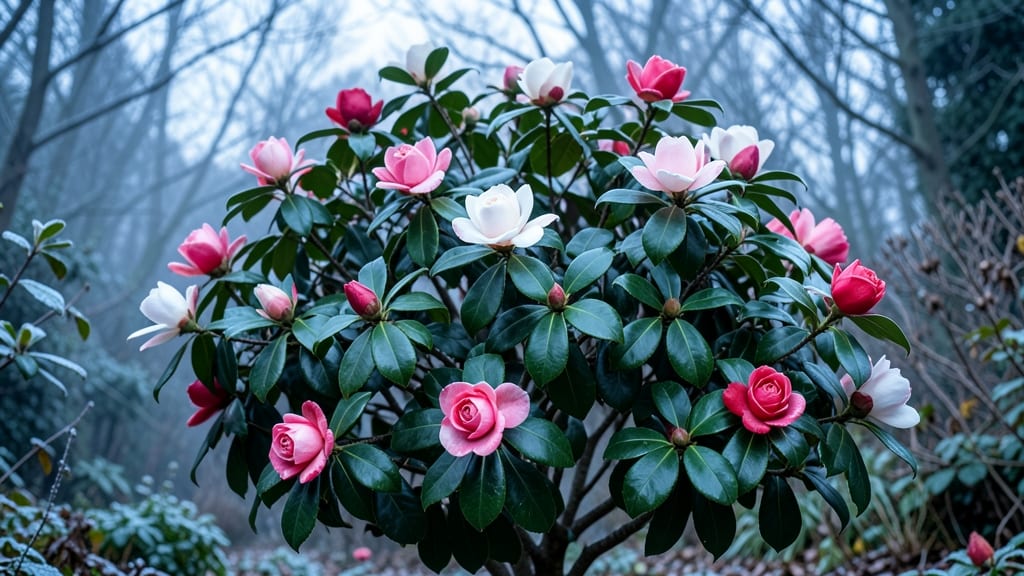
Winter’s chill shouldn’t stop your garden’s beauty. These 10 hardy winter-blooming flowers defy frost, add vibrant color to cold months, and return stronger each season—perfect for year-round gardening enthusiasts.
Hellebore Winter Rose Perennials
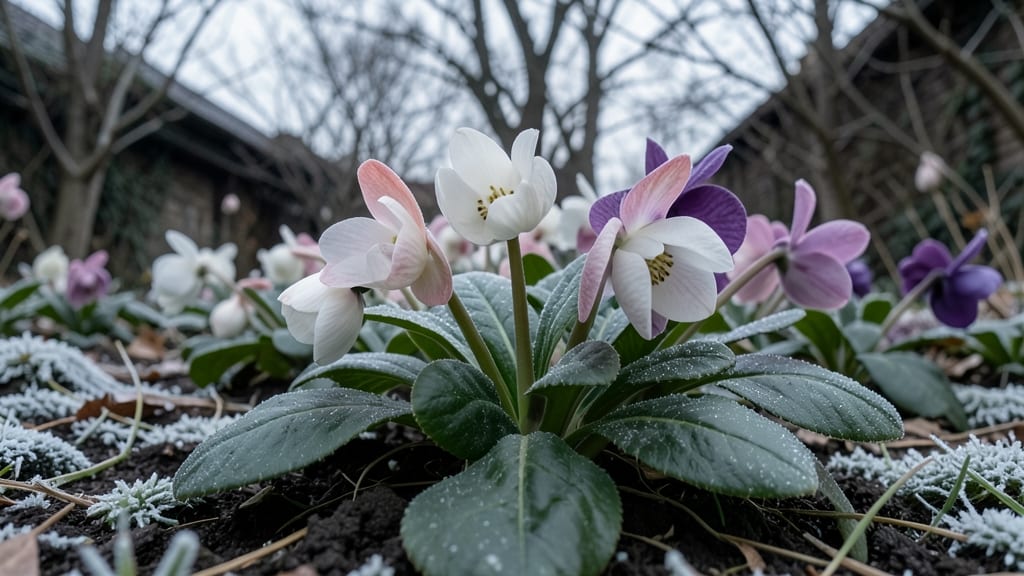
When your garden seems dormant under winter’s gray skies, hellebores (also called winter roses) burst into bloom like nature’s own cheerleader. These shade-loving perennials defy winter’s chill, offering delicate flowers in shades of white, pink, and purple from late winter through early spring—often while snow still lingers.
Plant them in partial to full shade with well-draining soil, and they’ll reward you with year-round interest: glossy foliage in summer and early blooms that feed hungry pollinators when food is scarce. Deadhead spent flowers to encourage more blooms, but otherwise, they’re low-maintenance and deer-resistant. Perfect for woodland gardens, under trees, or as a living mulch.
For gardeners craving color when most plants are dormant, hellebores deliver effortless beauty with minimal care. 🌿
Winter Jasmine Climbing Shrubs
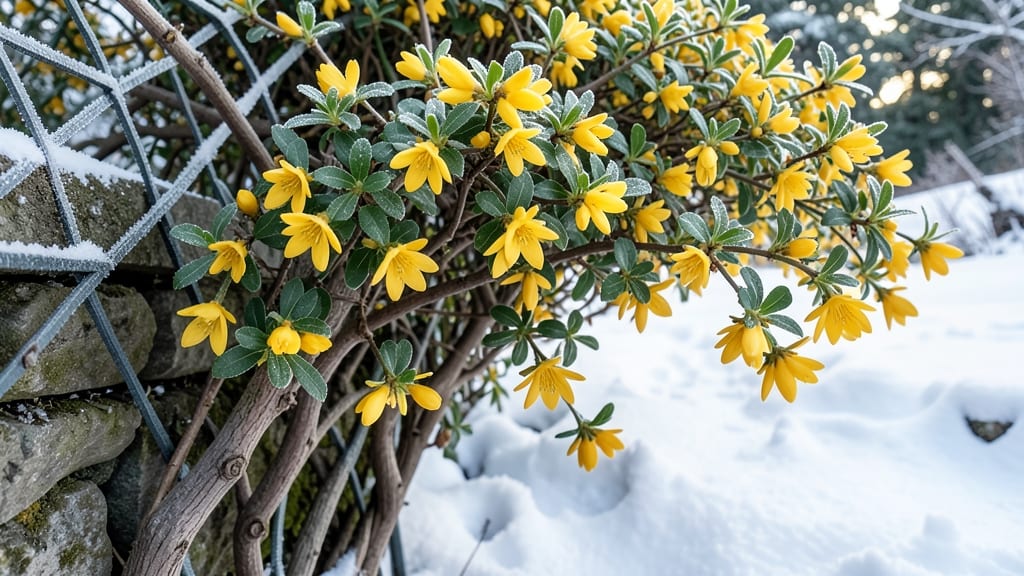
Brighten up a snowy landscape with winter jasmine, a fast-growing climbing shrub that bursts into cheerful yellow blooms from January to March. Unlike many winter plants, this vine thrives in colder climates and can even handle light frost, making it a standout for early-season color.
With its fragrant, star-shaped flowers and semi-evergreen foliage, winter jasmine climbs effortlessly on trellises, fences, or arbors, adding vertical interest to any garden. It’s a low-maintenance choice that grows 3-6 feet per year, so you’ll see dramatic results in just a few seasons. Prune lightly after flowering to encourage bushier growth.
Perfect for gardeners in USDA zones 5-9, this shrub brings life to winter landscapes while requiring minimal care. Ideal for small spaces or urban gardens where vertical planting maximizes beauty. 🌻
Snowdrops Galanthus Nivalis
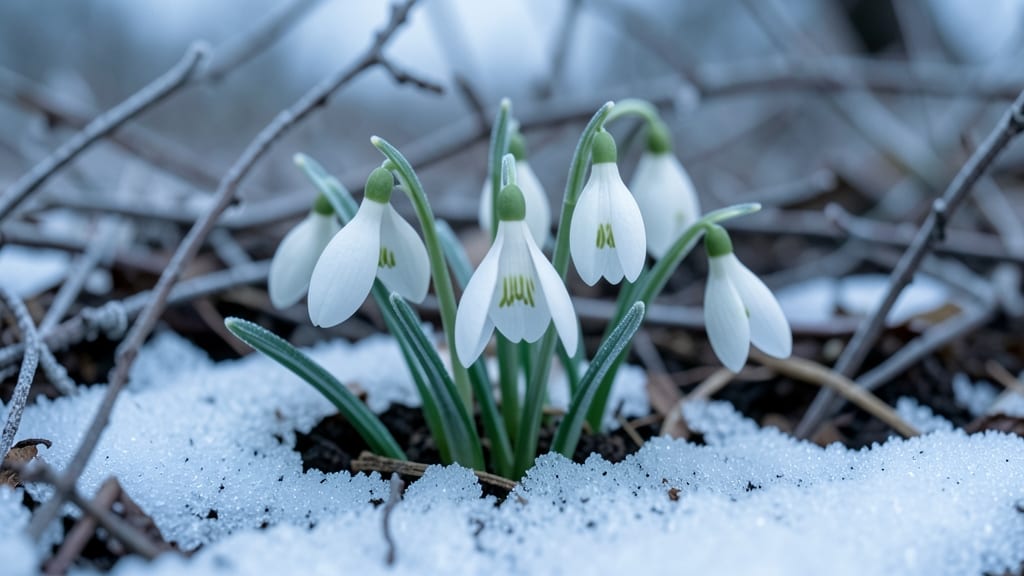
When winter's frost still clings to the ground, snowdrops (Galanthus nivalis) emerge like tiny beacons of hope, signaling that spring is on its way. These delicate white blooms are nature's way of reminding us that life persists even in the coldest months, making them a must-have for gardeners who crave early-season charm.
Plant snowdrops in partial to full shade, where their slender stems and nodding flowers can shine without competition. They thrive under deciduous trees or along borders, and their drought-tolerant nature means they require minimal care once established. For best results, plant bulbs in fall (September-October) at a depth of 2-3 inches—they’ll reward you with blooms as early as December in milder climates.
Perfect for woodland gardens, cottage-style borders, or underplanting mature trees, snowdrops bring elegance and resilience to any space. Their ability to naturalize over time makes them a low-maintenance favorite for both beginners and seasoned gardeners alike. 🌱
Crocus Vernal Blooms
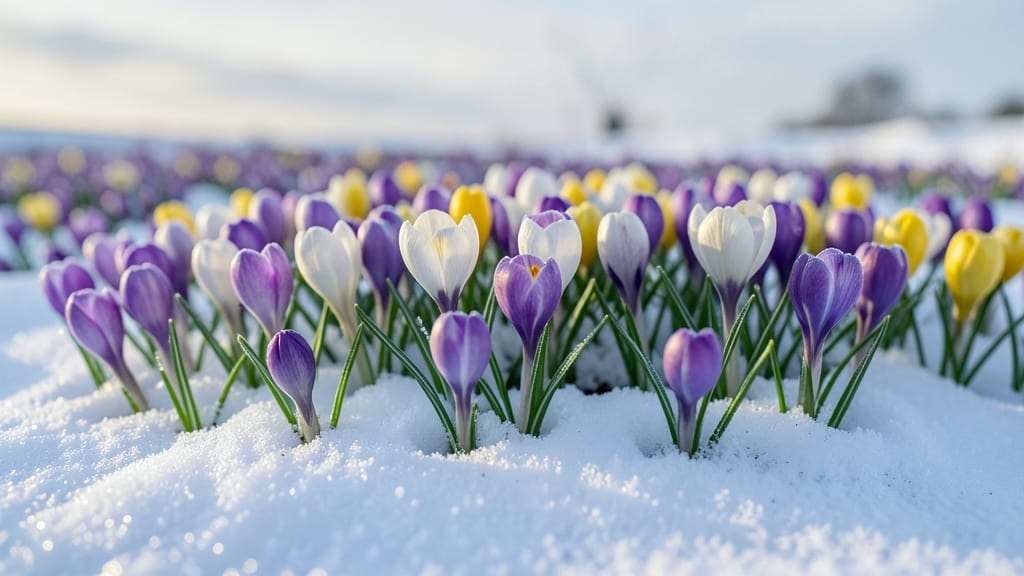
When snow still blankets the ground, crocus vernal blooms burst through like tiny bursts of sunshine, offering purple, white, or yellow flowers that feed early pollinators like bees and butterflies. These hardy perennials are nature’s way of announcing spring—often appearing weeks before other flowers.
Plant them in rock gardens or let them naturalize in lawns for a low-maintenance pop of color. They thrive in full sun to partial shade and need minimal care—just ensure well-draining soil. Bulbs multiply over time, creating stunning carpets of color with almost no effort from you.
Perfect for beginners or busy gardeners, crocus blooms bring instant joy and support local ecosystems. Their early emergence also signals the perfect time to start spring planting. 🌱
Winter Aconite Eranthis Hyemalis
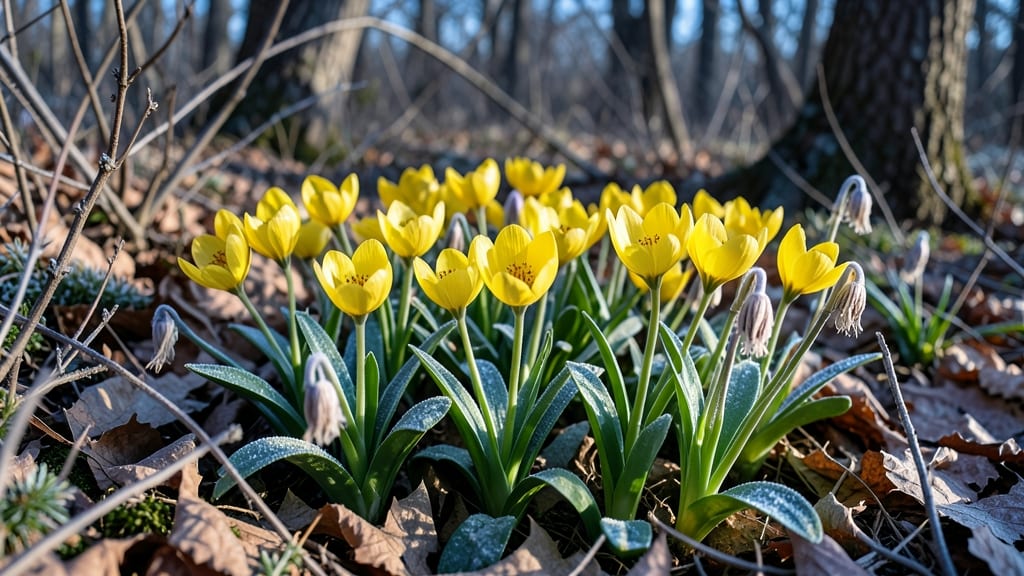
Need a sunny splash of color in your shady garden corners? Winter aconite (Eranthis hyemalis) delivers cheerful, buttercup-like blooms that appear when most gardens are still dormant—typically from late January through March. This early riser thrives in partial shade, making it ideal for spots where sunlight barely touches the ground.
Plant the bulbs in fall (4-6 inches deep) in well-draining soil, and you’ll be rewarded with bright yellow flowers that emerge before the leaves appear. Unlike many winter bloomers, winter aconite tolerates light frost and even blooms under snow. Its low-growing habit (6-8 inches tall) makes it perfect for woodland gardens, under trees, or as a ground cover in shaded borders.
Gardeners with limited sunlight or those who want to extend their winter interest will love this hardy perennial. It’s also a great pollinator magnet in early spring when food is scarce. 🌱
Pansies Viola Winter Hardy
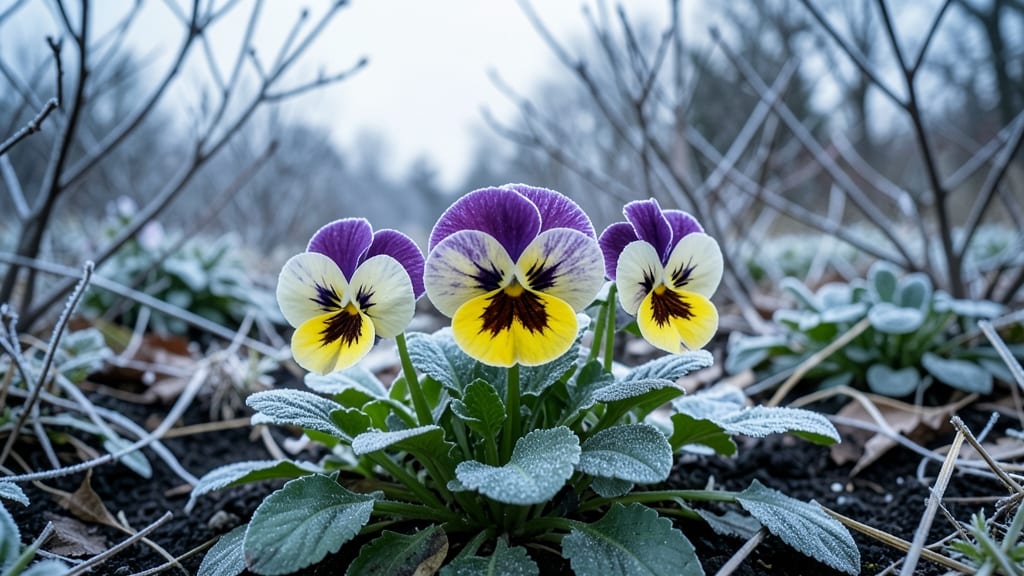
When winter’s gray days feel endless, pansies (Viola × wittrockiana) deliver a burst of color that lasts from fall through spring. Their frost-resistant blooms thrive even when temperatures dip below freezing, making them the perfect year-round workhorses for gardeners who refuse to let winter dull their outdoor spaces.
These cheerful annuals love full sun to partial shade and can handle light frosts without damage, though a thick layer of mulch protects their roots during harsh freezes. Choose from classic purple, yellow, or bi-color varieties for containers, window boxes, or edging borders—each flower’s facial patterns add whimsical charm. For continuous blooms, deadhead spent flowers and feed monthly with a balanced fertilizer.
Urban gardeners and small-space enthusiasts will love pansies’ adaptability—they thrive in pots, hanging baskets, or tucked between perennials. Their long bloom season and low-maintenance needs make them ideal for beginners or busy gardeners craving winter color. 🌻
Dwarf Iris Reticulata
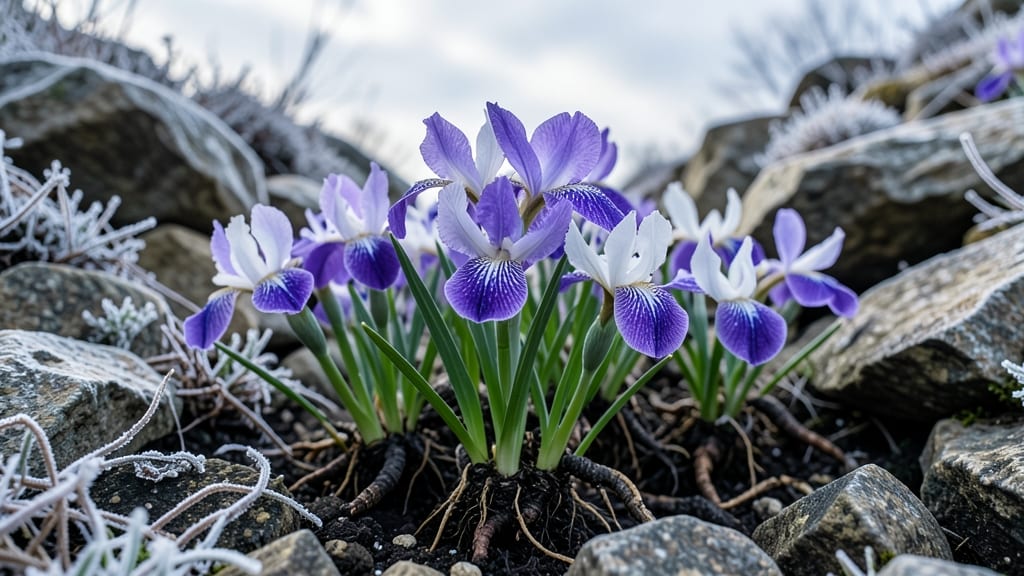
When you crave a splash of color in the bleakest winter months, dwarf iris reticulata delivers with its star-shaped blooms in shades of purple, white, or blue—often appearing before spring arrives. These tiny irises thrive in rock gardens, alpine collections, or even crevices where other plants struggle, making them perfect for small spaces or containers.
Plant them in well-draining soil with full sun to partial shade (they tolerate light frost once established) and water sparingly—overwatering is their only real enemy. Their minimal maintenance and long bloom season (late winter to early spring) make them a favorite for gardeners who want year-round interest with almost no effort. The flowers even close at night, adding a whimsical touch!
Ideal for beginner gardeners, urban balconies, or alpine enthusiasts, these irises reward patience with bold, early-season color that brightens chilly days. 🌷
Winter Honeysuckle Lonicera Fragrantissima
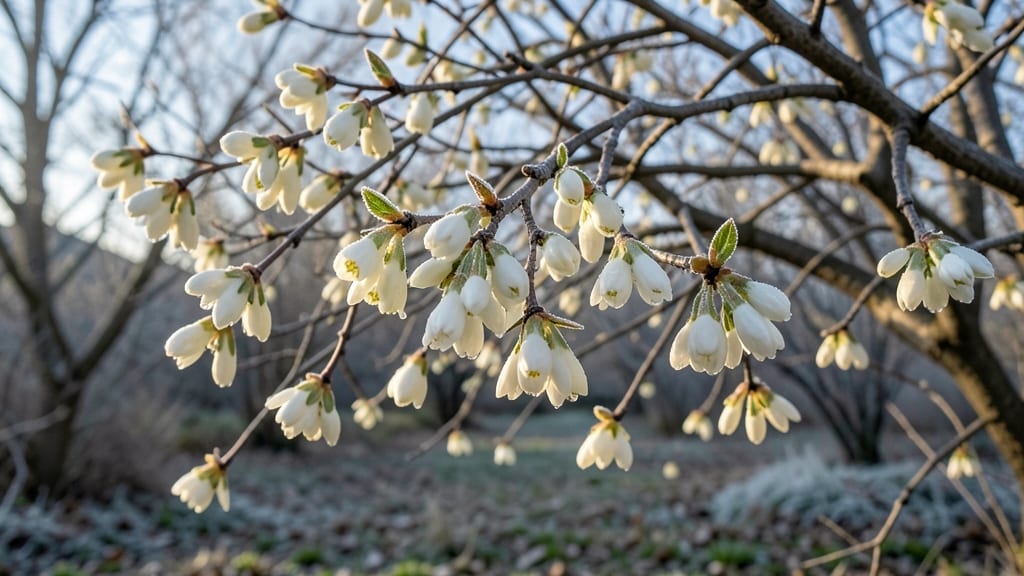
If you crave a garden that smells as good as it looks—even in winter—Lonicera fragrantissima is your secret weapon. This deciduous shrub bursts into fragrant white tubular blooms from late winter to early spring, filling the air with a sweet, honey-like scent that’s irresistible to early pollinators like bees and butterflies.
Thriving in USDA zones 4-8, this hardy plant handles frost with ease and prefers full sun to partial shade. Prune lightly after flowering to maintain shape, and watch it create a fragrant hedge or border that stands out against bare winter branches. Its low-maintenance nature makes it ideal for busy gardeners who still want winter interest.
Perfect for urban gardeners with limited space or those looking to add fragrance to their winter landscape, this shrub delivers both beauty and a sensory experience. 🌿
Horned Violet Viola Cornuta
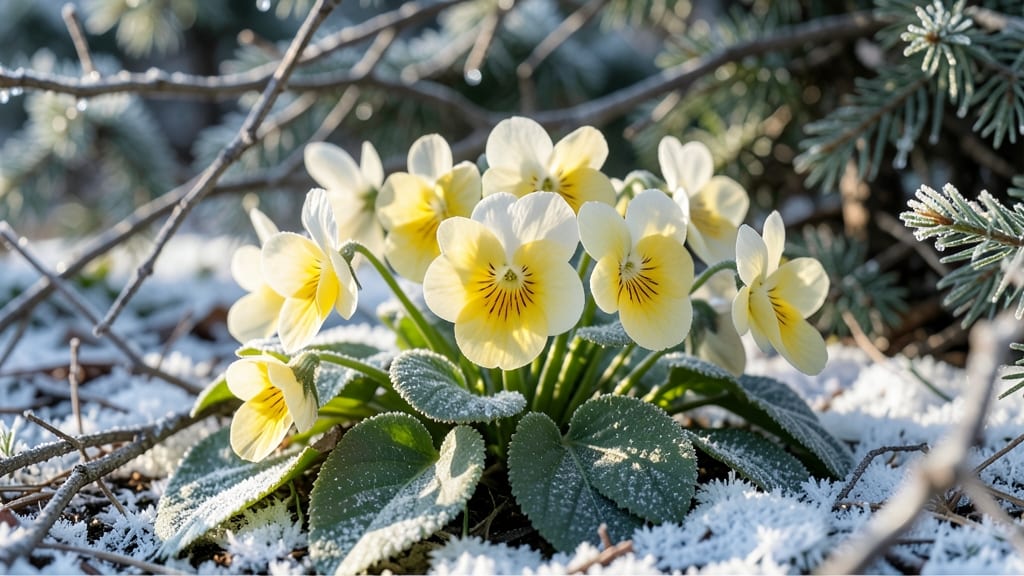
Transform your winter garden into a whimsical wonderland with Horned Violet Viola Cornuta, a charming perennial that blooms from late winter through spring. Its unusual yellow or white flowers feature distinctive horn-like projections, creating a fairy-tale aesthetic that’s perfect for cottage-style gardens or enchanting landscapes.
This hardy plant thrives in partial shade to full sun and prefers well-draining soil, making it low-maintenance yet striking. Its long bloom season provides continuous color when many other plants are dormant, and it self-seeds readily, ensuring your garden stays filled with its cheerful blooms year after year.
Ideal for gardeners who love unusual textures and early-season interest, Horned Violet adds a magical touch to borders, rock gardens, or woodland edges. 🌷
Camellia Sasanqua Winter Blooms

When your garden seems dormant in winter, Camellia sasanqua steps in as a bold, evergreen statement plant. Unlike many winter bloomers that fade with frost, this shrub thrives in cold snaps, offering rose-like flowers in shades of pink, white, or red from late fall through winter—long after most gardens have gone quiet.
Its glossy, dark green leaves provide year-round structure, while its late-season blooms feed pollinators when food is scarce. Plant it in partial to full shade where other shrubs struggle, and enjoy blooms that last for weeks. Prune lightly after flowering to maintain shape, and watch it reward you with low-maintenance elegance for decades.
Perfect for gardeners who want drama without fuss, Camellia sasanqua is the ultimate winter garden workhorse—adding color, texture, and life when the world outside is gray. ✨