
Blooming
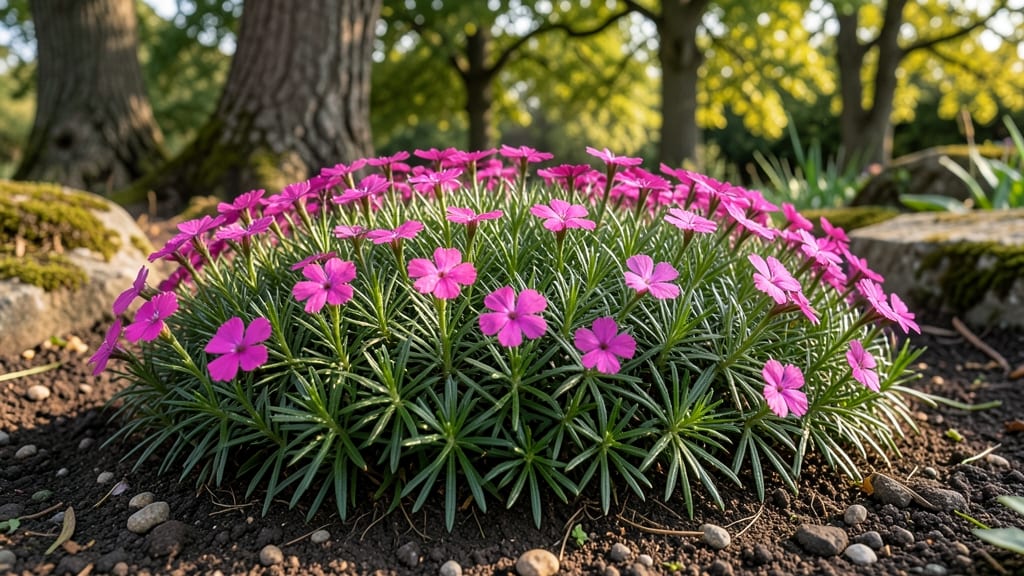
The creeping phlox bloom time in late winter to early spring is nothing short of magical, as its vibrant purple spikes push through frost to breathe life into winter gardens. 🌸 I’ve watched mine burst through snow in Zone 5, while friends in milder climates see blooms as early as February.
The secret to longer displays? Plant in full sun and water deeply before buds form—this keeps roots cool when air temps climb.
Timing matters most in warmer zones (6-9): phlox can bolt if summer heat arrives too soon. In my Zone 6 garden, I’ve extended blooms by 3-4 weeks with a late-summer transplant—just move clumps to shade after flowering.
For northern gardens, focus on early planting (fall or very early spring) to establish strong roots before buds swell. The payoff? Carpet-like blooms that last 4-6 weeks with minimal fuss.
Pair creeping phlox with heuchera (for foliage contrast) or dwarf conifers (like ‘Blue Rug’ juniper) to create year-round interest. The key is layering textures: phlox’s fuzzy stems and tiny flowers play beautifully against smooth leaves or spiky evergreens.
Prune spent blooms by mid-summer to prevent seed heads, but leave some for winter structure—they’re surprisingly elegant when dusted with frost.
For second blooms, try a light spring feeding with 5-10-10 fertilizer after the first flush fades. In my experience, this tricks phlox into a smaller but later show—just don’t overdo it, or you’ll get leafy growth instead of flowers.
The goal is balance: enough nutrients for blooms, but not so much that the plant burns out before summer’s peak heat arrives.
📚 In This Guide
- What you need
- Instructions
- Tips and common mistakes
- Wrapping up and next steps
What you need
- ● Creeping phlox plants: 6–12 healthy Phlox subulata plants (bare-root or potted), depending on garden size.
- ○ Optional: Seeds for long-term projects (start indoors 8–10 weeks before last frost).
- ● Soil prep: 2–3 cubic yards of well-draining soil mix (amend with compost or peat moss if native soil is heavy).
- ● Garden fork or tiller to loosen soil to a depth of 12 inches.
- ● pH test kit (ideal range: 5.0–7.0; adjust with lime or sulfur if needed).
- ● Fertilizer: Balanced, slow-release fertilizer (e.g., 10-10-10 or 5-10-10), 1–2 tbsp per plant at planting.
- ● Organic compost (2–3 inches mixed into the topsoil).
- ● Mulch: 2–3 inches of organic mulch (pine straw, shredded bark, or wood chips) to retain moisture.
- ● Watering tools: Garden hose with adjustable nozzle or drip irrigation system.
- ● Watering can (for potted seedlings or small gardens).
- ● Planting tools: Garden trowel or hand shovel for transplanting.
- ● Gloves (to protect hands from thorns or rough soil).
- ● Climate: Plant in cool-season zones (3–8) for optimal blooms. Avoid planting in hot summer months.
- ● Sunlight: Full sun (6+ hours daily) or partial shade (4–6 hours) in hotter regions.
- ● Spacing: 12–18 inches apart for mature plants (creeping phlox spreads slowly).
- ● 6–12 inches apart for dense ground cover (if pruning annually).
- ● Timing: Fall planting: Best for root establishment before winter (4–6 weeks before first frost).
- ● Spring planting: Early spring (as soon as soil is workable).
- ● Epsom salt (1 tbsp dissolved in gallon of water) for magnesium boost during early growth.
- ● Slow-release phosphorus fertilizer (e.g., bone meal) to encourage blooming.
- ● Decorative rocks or edging to define garden beds and prevent soil erosion.
- ● Pruning shears for post-bloom cleanup (late spring/early summer).
How to time creeping phlox blooms for maximum purple impact
Here's how to coax those signature purple spikes to appear exactly when you want them.
🌱 Step 1: Understand Creeping Phlox's Natural Bloom Cycle
Creeping phlox thrives in cool weather and typically blooms in early to mid-spring, though some varieties extend into fall. The key is temperature triggers—they need consistent 50-65°F days to set buds. If your winters are mild, they may bloom earlier; harsh winters delay flowering until late spring when soil warms.
Watch for new growth in late winter or early spring—this is your first signal. The foliage should appear dense and vibrant green before buds form. In zones 5-7, expect buds to appear by late March to early April, while southern gardeners may see them as early as February. Northern gardeners in zones 3-4 should wait until May for reliable blooms.
☀️ Step 2: Optimize Light and Soil Conditions for Bud Formation
Creeping phlox demands full sun (6+ hours daily) for strong blooms, but morning sun with afternoon shade prevents heat stress in hot climates. If your garden lacks full sun, choose shade-tolerant varieties like 'David Ward' or 'Emerald Blue.'
Soil pH between 6.0-7.0 encourages vibrant blooms. Test your soil—creeping phlox struggles in acidic conditions. Amend with crushed limestone if needed. Fertilize lightly in early spring with a balanced 10-10-10 formula (½ cup per 10 sq ft) to support bud development. Avoid high-nitrogen fertilizers—they promote leafy growth at the expense of flowers.
💧 Step 3: Master Watering for Bud Set and Bloom Timing
Consistent moisture is critical during bud formation (4-6 weeks before blooming). Water deeply once weekly to encourage deep root growth, but reduce frequency once buds appear—overwatering can cause buds to drop. Let the top 1 inch of soil dry between waterings during bloom time to prevent fungal issues.
Here's the trick: dormant-season watering matters too. In late fall, give plants a deep soak before the ground freezes to build root reserves for next year's blooms. Mulch with 2-3 inches of shredded bark to retain moisture and protect roots from temperature swings.
✂️ Step 4: Prune Strategically to Control Bloom Timing
Shear back 1/3 of the plant height immediately after flowering to encourage a second, lighter bloom in late summer. This works best in zones 6-9 where summers aren't scorching. In cooler climates, skip this step—creeping phlox may not rebloom reliably.
For earlier spring blooms, give plants a light trim in late summer (after the first bloom). This prevents legginess and forces more compact growth. Never cut into old wood—always leave 1-2 inches of new growth to support next year's buds. Use clean, sharp shears to avoid tearing stems.
⏰ Step 5: Extend the Bloom Season with Smart Care
To prolong blooms, remove spent flowers daily during peak bloom. This redirects energy to new buds instead of seed production. In hot climates, provide afternoon shade to prevent buds from drying out. A light layer of mulch keeps roots cool and conserves moisture.
For fall bloomers, avoid heavy fertilizing after mid-summer. The plant needs to harden off naturally. In zones 5-7, you may see a second flush of blooms in September if summers are mild. In colder zones, enjoy the first bloom only—the plant conserves energy for winter survival.
Tips & tricks for perfect creeping phlox blooms
Mastering the timing of creeping phlox blooms is all about understanding its natural rhythms—and giving it just the right conditions to shine. Here's how to get those purple spikes blooming exactly when you want them.
Temperature Matters: The 50-65°F range is non-negotiable for bud formation. If your spring arrives late, don't panic—creeping phlox is patient. Use a minimum-maximum thermometer to track daily temperatures. In zones 3-4, you might need to provide afternoon shade during heatwaves to keep foliage from wilting before buds even form. Think of it like giving your plants a cool, consistent environment—they'll reward you with vibrant blooms.
Light Strategy: While full sun is ideal, don't assume every spot gets equal light. Test your garden with a sunlight tracker app for a full week. If your plants get only 4-5 hours of sun, choose shade-tolerant varieties like 'David Ward'—they'll still produce stunning blooms, just with slightly smaller flowers. The key is consistency: creeping phlox thrives on predictable light patterns, so avoid moving plants once established.
Pruning Precision: That 1/3 height reduction after flowering isn't arbitrary—it's about balance. Use a sharp pair of shears and cut just above a set of leaves to encourage new growth. For the late-summer trim to promote earlier spring blooms, aim for late August timing. This gives plants enough time to recover before winter. And here's a pro move: save your prunings! Dry them for winter interest in arrangements.
Seasonal Watering: The deep soak before freezing in late fall is your secret weapon for next year's blooms. Water until soil is moist 6 inches deep—this builds root reserves that fuel spring growth. During bloom time, let that top inch dry between waterings to prevent fungal issues. I've seen bud drop from overwatering more times than I can count, so this is where patience pays off.
Pro Tips for Creeping Phlox Bloom Time
- Mastering the timing of creeping phlox blooms is all about understanding its natural rhythms—and giving it just the r...
- Temperature Matters: The 50-65°F range is non-negotiable for bud formation. If your spring arrives late, don't panic—...
- Light Strategy: While full sun is ideal, don't assume every spot gets equal light. Test your garden with a sunlight t...
Frequently asked questions
Got questions about creeping phlox blooms? You’re not alone! Here are answers to the most common queries about timing, care, and troubleshooting—so you can enjoy those vibrant purple spikes year after year.
When is the best time to plant creeping phlox for optimal blooms?
Plant creeping phlox in early spring or fall (4–6 weeks before the first frost) to give roots time to establish before extreme heat. Avoid planting in summer—hot soil can stress young plants, delaying blooms. For containers, use well-draining soil and place in partial shade until roots settle.
Why isn’t my creeping phlox blooming this year?
Common culprits include overcrowding (thin out clumps every 3–4 years), too much nitrogen (use a balanced 10-10-10 fertilizer), or poor sunlight (6+ hours of sun is ideal). Deadhead spent blooms to encourage reblooming, and check for pests like slugs or aphids that may stress plants.
Can creeping phlox bloom in hot climates, or is it strictly a cool-season plant?
While creeping phlox thrives in cool springs and falls, it can still bloom in heat if given afternoon shade and consistent moisture. Mulch heavily to retain cool roots, and water deeply 1–2 times weekly. Varieties like ‘Emerald Blanket’ are more heat-tolerant than traditional types.
What’s a good alternative if creeping phlox struggles in my garden?
Try these low-maintenance, early-blooming alternatives:
- Ajuga (Bugleweed): Purple foliage + blue flowers, drought-tolerant.
- Corydalis: Fuzzy blue blooms in shade, blooms later in spring.
- Heuchera (Coral Bells): Colorful leaves + delicate flowers, thrives in partial shade.
- Dichondra ‘Silver Falls’: Silver ground cover with tiny white flowers.
How do I revive creeping phlox that’s looking leggy or sparse?
Leggy or sparse phlox often needs rejuvenation. Cut back dead or woody stems in early spring, leaving 2–3 inches of growth. For dense clumps, divide every 3–4 years in early spring—dig up, separate roots, and replant sections 6–12 inches apart. Fertilize lightly with compost or a slow-release bloom booster.
Wrapping up and next steps
Creeping phlox is a cool-season superstar that rewards gardeners with vibrant blooms—often in shades of purple, pink, or blue—right when many other plants are still dormant. 🌸 By understanding its ideal bloom time (typically spring and fall) and care needs, you can enjoy a carpet of color that thrives even in heat-prone regions.
Whether you’re a seasoned gardener or just starting, embrace the challenge—your efforts will pay off in stunning, low-maintenance beauty!
Ready to transform your garden? Start by selecting the right variety for your climate, then experiment with placement and soil prep. Next, check out our guide on extending phlox bloom time for year-round tips!