
Blooming
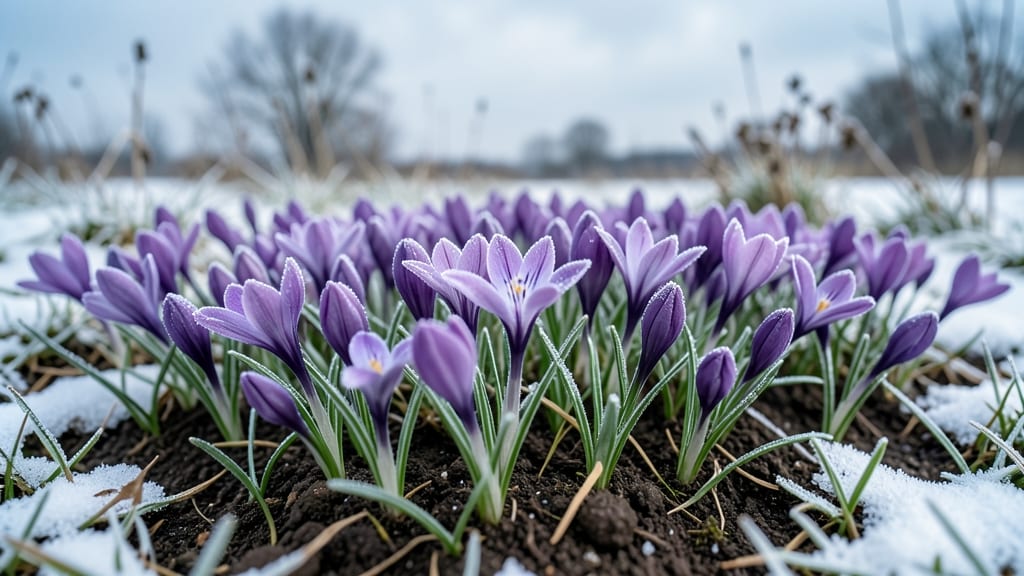
Fall and winter gardens don’t have to be colorless. These 10 hardy perennials defy seasonal norms by thriving in cold climates while delivering vibrant blooms that extend your garden’s beauty well into the colder months.
Hellebore Blooms in Frosty Conditions
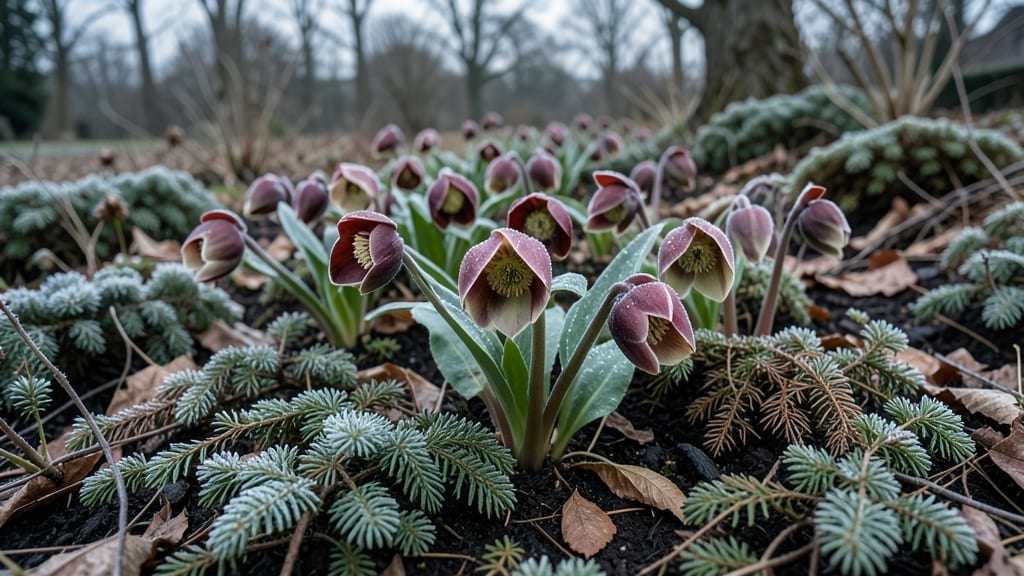
When your garden feels dormant under winter’s chill, hellebores prove that beauty thrives in the cold. Nicknamed the "Lenten rose", these perennials bloom from late winter through spring, with flowers that nod gracefully in light frost—perfect for shady spots where most plants retreat.
Plant hellebores in partial to full shade and well-draining soil to prevent rot. Their deep roots make them drought-tolerant once established, and they reward patience with months of blooms in white, pink, or deep purple. Varieties like Helleborus niger (Christmas rose) even handle snowfall, while Helleborus orientalis offers striking speckled petals.
Ideal for beginners or woodland gardeners, hellebores demand little care but deliver maximum impact. Their evergreen foliage adds structure year-round, making them a low-maintenance anchor for winter interest. 🌿
Winter Jasmine Climbing Beauty
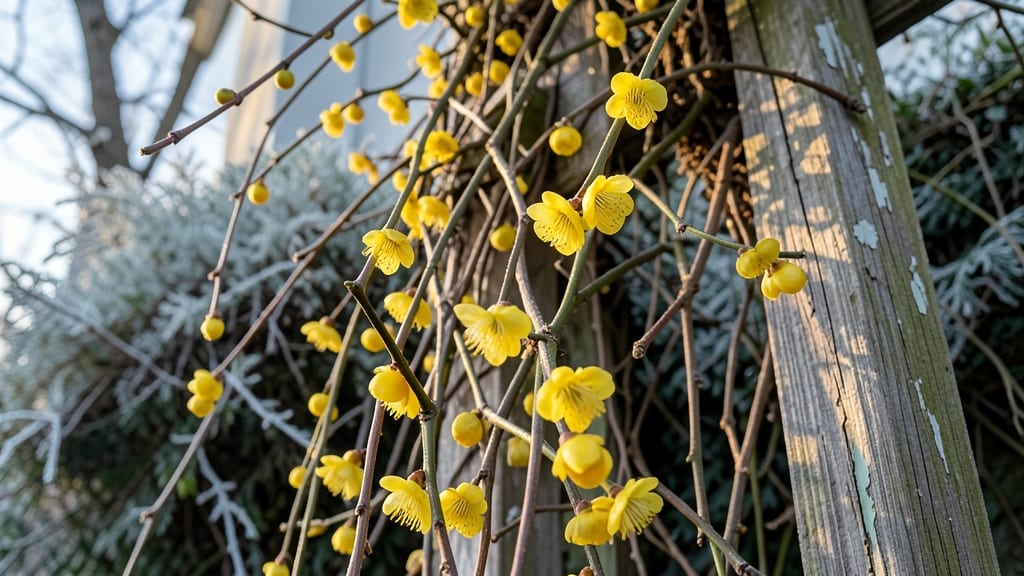
When your garden feels like it’s taking a long winter nap, winter jasmine (Jasminum nudiflorum) wakes up with a burst of sunshine. Its bright yellow flowers appear on bare stems from late winter through early spring, creating a stunning vertical display on trellises, fences, or walls—long before most plants even think about blooming.
This evergreen climber thrives in full sun to partial shade and handles temperatures down to -20°F, making it ideal for cold climates. Prune after flowering to encourage bushier growth, and watch it transform dull winter backdrops into cheerful canvases. Urban gardeners love it for small spaces, while cottage gardeners use it to frame entryways or arbors.
Perfect for those who want low-maintenance color without sacrificing hardiness, winter jasmine proves that winter gardens can be vibrant and full of life. 🌻
Snowdrops Delicate Early Blooms
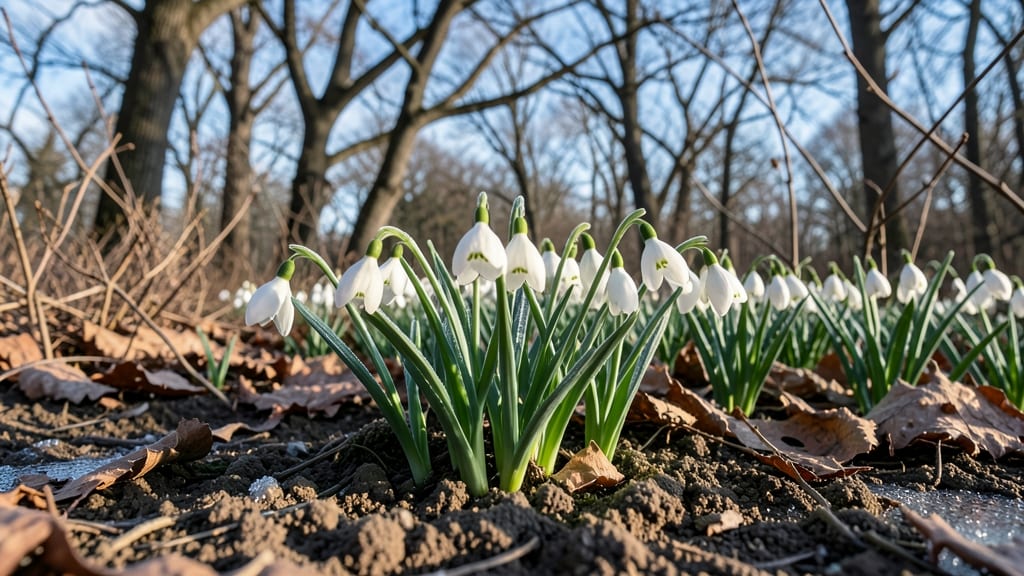
When the ground is still cold and other plants remain dormant, snowdrops (Galanthus) emerge like tiny messengers of spring. These late-winter bloomers thrive in temperatures as low as 20°F, making them one of the most resilient perennials for early-season color.
Plant snowdrops in partial to full shade, where their delicate white flowers will contrast beautifully against dark winter soil. They prefer well-draining, slightly acidic soil and multiply over time, creating naturalizing colonies. A little mulch in winter helps protect their bulbs from extreme cold while keeping them looking tidy.
Perfect for woodland gardens, shaded borders, or even containers, snowdrops bring life to the darkest corners. Their early blooms also make them a favorite for pollinators like bees, eager for nectar when little else is available. 🌱
Cyclamen Winter-Flowering Varieties
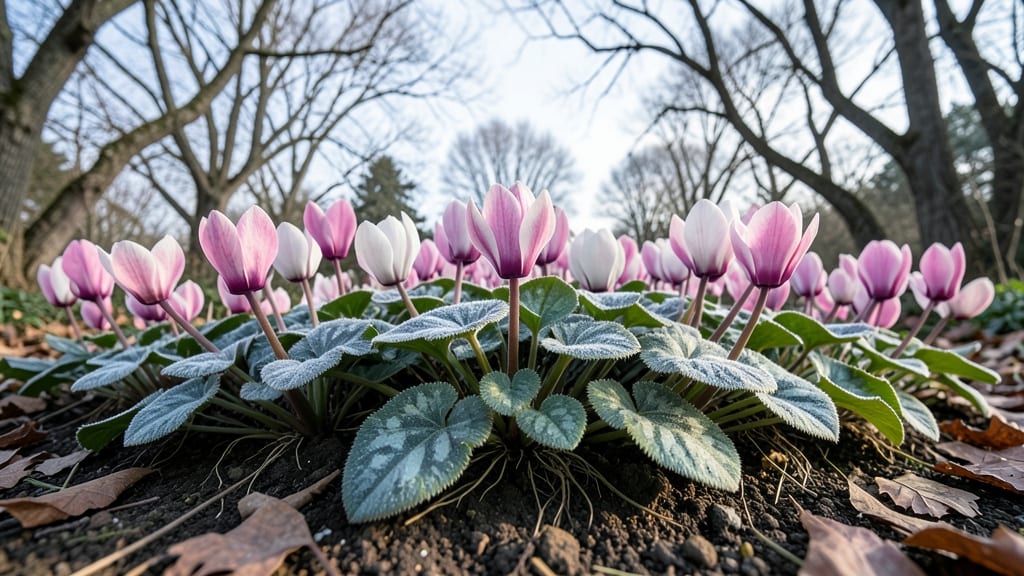
When your garden feels dormant under winter’s chill, cyclamen steps in to steal the show with their late-autumn blooms and silvery foliage. These charming perennials thrive in partial shade, making them perfect for under trees or along north-facing walls where other plants struggle.
Look for varieties like Cyclamen hederifolium (woodland cyclamen) with heart-shaped leaves and delicate pink or white flowers that nod above the foliage. They prefer well-draining, slightly acidic soil and consistent moisture—just avoid soggy conditions. Mulch lightly to protect roots from freezing temperatures, and you’ll enjoy blooms from October through December, long after most gardens have gone quiet.
Ideal for woodland gardens, shaded borders, or even container plantings on patios, cyclamen bring unexpected color to cold months. Their low-growing habit also makes them perfect for filling gaps between taller perennials. 💚
Christmas Camellia Elegant Blooms
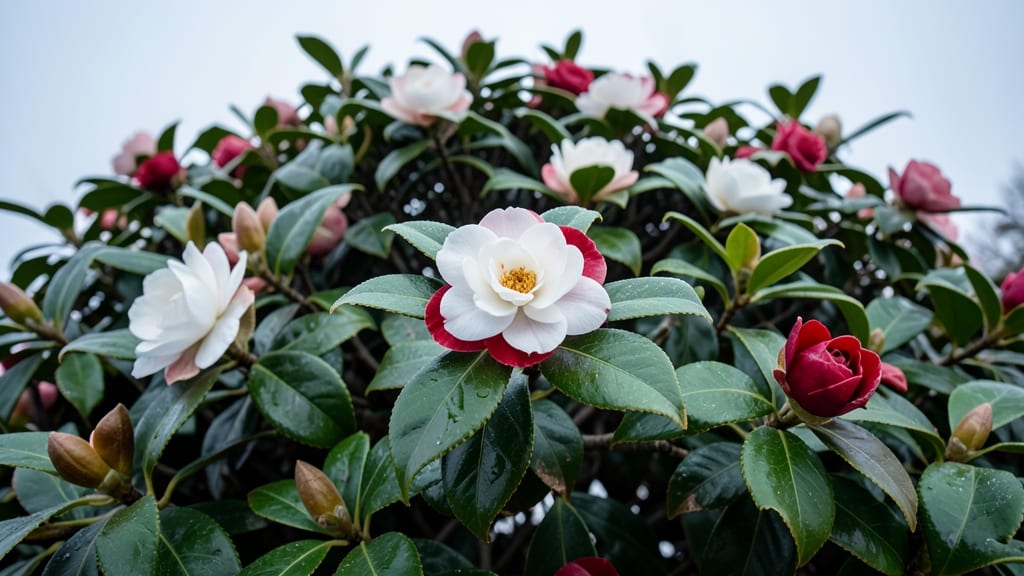
Transform your winter garden into a festive masterpiece with Christmas camellias, the ultimate holiday showstopper. Unlike other perennials that fade with cold weather, these evergreen shrubs burst into rose-like blooms in white, pink, or rich red from November through February, making them perfect for both outdoor landscapes and indoor decor.
Thriving in partial shade to full sun, Christmas camellias prefer well-draining, acidic soil (pH 5.0-6.0). Prune lightly after flowering to shape the shrub, and protect young plants from harsh winds with a temporary burlap windbreak. Their glossy dark leaves add year-round structure, while the flowers attract pollinators even in winter. 🌟
Ideal for gardeners in USDA zones 7-9, these camellias bring holiday cheer with minimal effort. Whether planted in containers near your patio or as a focal point in shaded garden beds, their elegant blooms will keep your winter garden vibrant and full of life. 🌻
Winter Aconite Bright Yellow Flowers
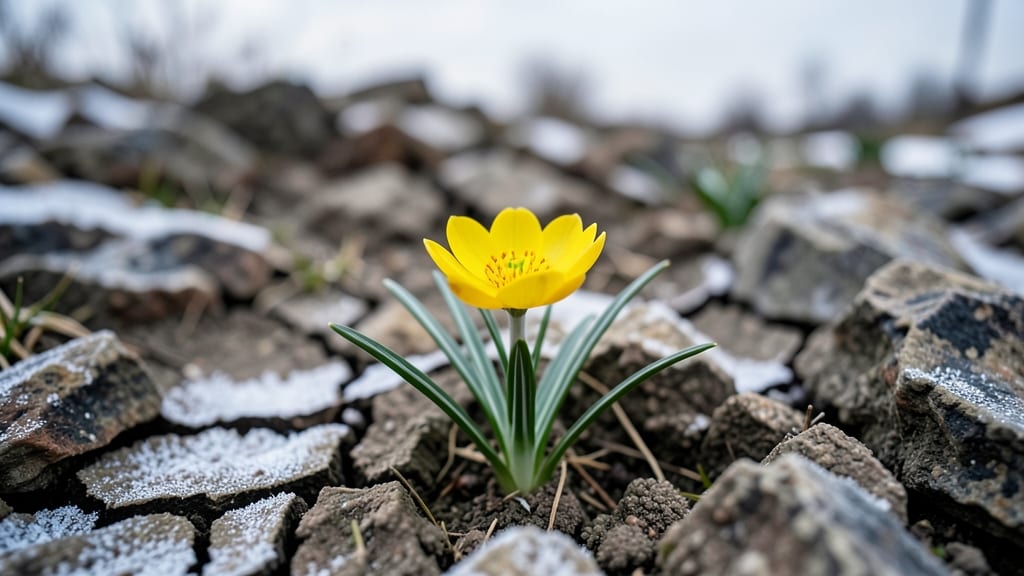
Need a burst of sunshine in your winter garden? Winter aconite (Eranthis hyemalis) is the cheerful underdog that punches above its tiny size, blooming in late winter with bright yellow cup-shaped flowers that seem to glow against bare soil or rocky crevices.
This hardy perennial thrives in full sun to partial shade and tolerates temperatures down to -20°F, making it perfect for early-season color. Its bee-friendly blooms provide vital nectar when few other plants are flowering, and it naturalizes beautifully in borders, rock gardens, or even containers. Just plant the tuberous roots in fall—they’ll reward you with weeks of cheerful color before spring bulbs even wake up.
Ideal for gardeners who want low-maintenance winter interest without the fuss of frost-tender plants, winter aconite is especially magical in rock gardens where its bright blooms contrast beautifully with moss and stone. 🌻
Dwarf Iris Winter-Blooming Varieties
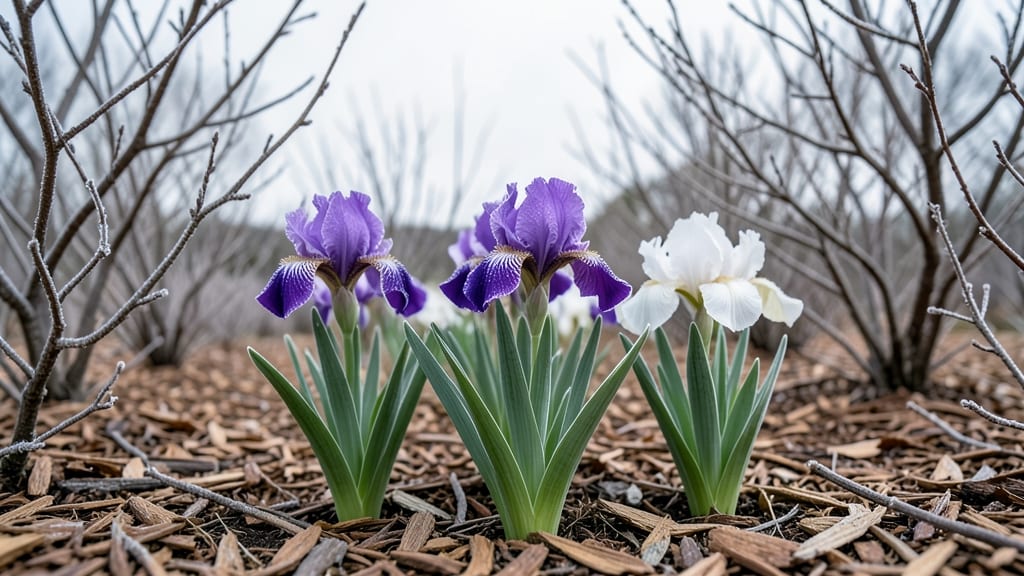
Looking for a pop of color when most gardens are tucked in for winter? Dwarf iris varieties like Iris histrioides bloom in late winter, offering bold purple or white flowers that stand out against bare branches and frost-kissed foliage.
These compact perennials thrive in USDA zones 4-9 and only reach 6-12 inches tall, making them perfect for containers, window boxes, or small garden beds. Plant them in well-draining soil with full sun to partial shade—they’ll reward you with early-season blooms that attract pollinators like bees and butterflies.
Urban gardeners and balcony planters will love how these irises bring structure and color to tight spaces without overwhelming them. Just keep them watered during their active growing season (spring to early summer) for next year’s flowers. 💚
Mahonia Evergreen Shrub with Berries
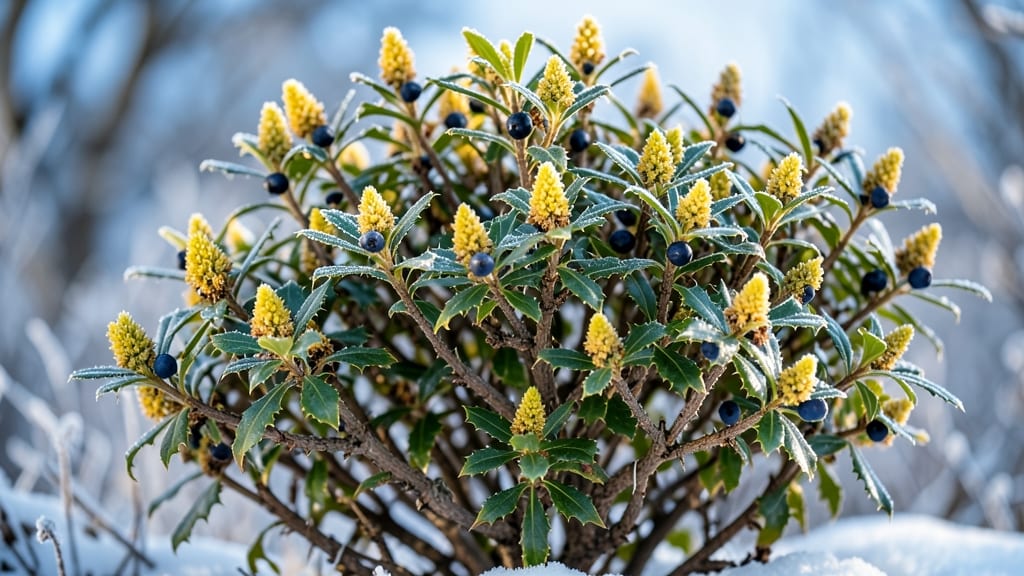
If you crave a shrub that refuses to take a break—even in winter—mahonia is your year-round workhorse. This evergreen beauty delivers three seasons of interest: spiky, holly-like leaves that stay lush all winter, clusters of fragrant yellow flowers that bloom in late winter/early spring, and edible blue berries that persist until spring.
Plant mahonia in partial to full shade, where its glossy foliage thrives without scorching. It’s drought-tolerant once established, making it perfect for low-maintenance gardens. Prune lightly after flowering to maintain shape, and watch birds flock to the berries—just be prepared to share! The compact size (3-6 feet) makes it ideal for borders, woodland gardens, or even large containers.
Urban gardeners and shade-lovers rejoice—this shrub brings color and structure when most plants are dormant. Its layered interest ensures your garden stays vibrant from December through May. 💚
Winter Honeysuckle Fragrant Blooms
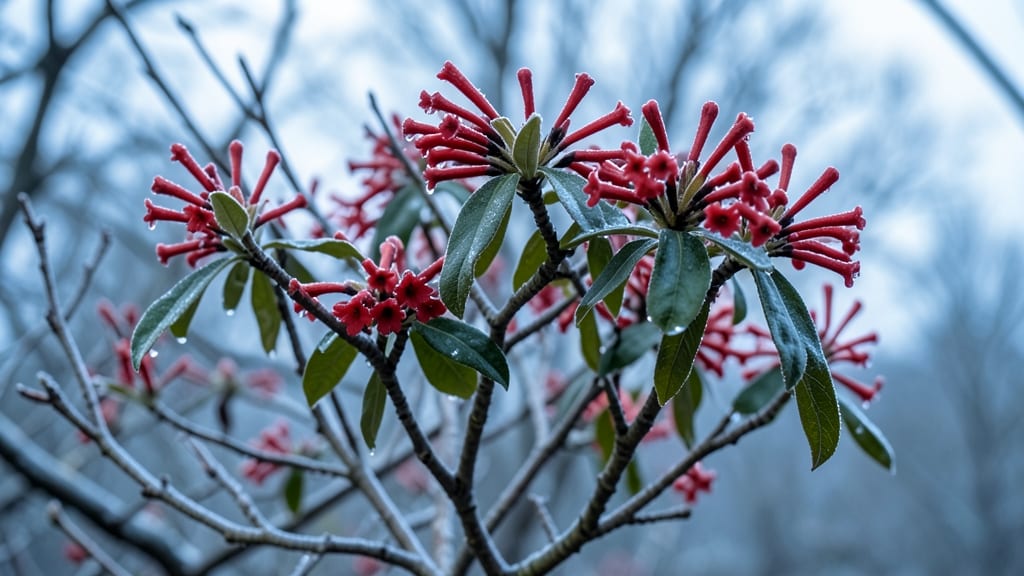
When your garden feels dormant under winter’s chill, winter honeysuckle (Lonicera fragrantissima) bursts into life with tubular red flowers that perfume the air and lure hummingbirds to your yard. Unlike its summer-blooming cousins, this deciduous shrub thrives in USDA zones 4-8, delivering fragrance and color when most gardens are bare.
Plant it in partial shade where its glossy leaves and fragrant blooms will brighten dark corners or woodland edges. Prune lightly after flowering to maintain shape, and watch as late-winter blooms (February-March) attract early pollinators. The aromatic flowers even release their scent at night, making them a sensory delight for evening garden strolls.
Perfect for gardeners seeking low-maintenance fragrance or those in colder climates, winter honeysuckle is a hidden gem that turns winter into a season of quiet beauty. 🌻
Crocus Late-Season Purple Stars

Skip the spring-only crocus and plant Crocus tomasinianus instead—its star-shaped purple blooms emerge in autumn and winter, defying the "bare garden" myth. These hardy bulbs thrive in full sun to partial shade and multiply over time, creating naturalized drifts that look magical when snow dusts their petals.
Perfect for low-maintenance gardens, they require no summer care and emerge effortlessly after the first frost. Plant bulbs in well-draining soil 3-4 inches deep in late summer for autumn blooms, or in fall for winter flowers. Their early emergence also provides vital nectar for bees when other flowers are scarce.
Ideal for beginners or busy gardeners, these crocuses add year-round interest with minimal effort. Just imagine purple stars popping through autumn leaves! 🌻