
Blooming
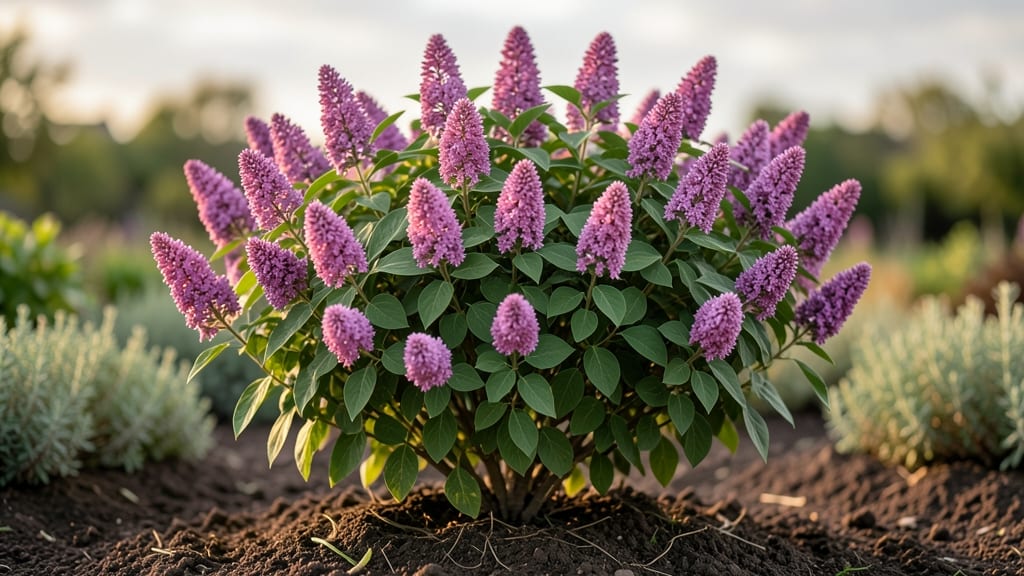
The Miss Kim Lilac bloom time arrives when summer heat finally settles in—not with spring’s first warmth. 🌸 Unlike traditional lilacs that fade by June, this variety surprises with a second flush of fragrant blooms when temperatures climb past 75°F, often lasting into July or August in warmer zones.
I learned this the hard way after planting mine in Zone 5—first bloom came reliably in May, but the second? Only after a three-week stretch of 80°F+ days. The key is patience: these lilacs wait for consistent heat before reblooming, and drought stress can delay it.
You'll know it's working when those deep purple-pink clusters reappear, heavier and more fragrant than the first round. The secret to encouraging this is deep watering during heatwaves and light pruning after the first bloom—never cutting back into old wood.
Works best in Zones 4-8, but northern gardeners may need to protect young plants from late frosts. The payoff? Months of fragrance instead of just weeks.
📚 In This Guide
- What you need
- Instructions
- Tips and common mistakes
- Wrapping up and next steps
What you need
- ● Miss Kim Lilac Bush: A healthy, established plant (at least 3–5 years old for best reblooming results).
- ● Garden Journal/Notebook: For recording bloom dates, weather patterns, and pruning notes.
- ● Thermometer (Outdoor): Digital or analog, with a range of 32°F–100°F (0°C–38°C).
- ● Pruning Shears: Sharp, sterilized shears (or small hand pruners) for shaping and deadheading.
- ○ Gloves (Optional but Recommended): Heavy-duty gardening gloves to protect hands from thorns.
- ● Watering Can or Hose: With a gentle spray nozzle for post-pruning hydration.
- ● Fertilizer (Balanced or Bloom-Boosting): 10-10-10 or 20-20-20 fertilizer (follow package rates).
- ● OR Organic options like composted manure or fish emulsion.
- ● Heat Mat or Row Cover: For zones 3–5 to extend warm-season growth (use sparingly to avoid overheating).
- ● Mulch (2–3 inches): Organic mulch (wood chips, straw) to regulate soil temperature.
- ● Plant Tags or Labels: To track individual lilac varieties if testing multiple blooms.
- ● Smart Garden App: (e.g., Gardenate or PlantNet) for zone-specific heat alerts.
- ● Sunlight Meter: To confirm your lilac gets 6+ hours of full sun daily.
How to time Miss Kim lilac reblooms by your growing zone
Heat triggers these lilacs to bloom twice yearly—here's how to predict and maximize their stunning displays.
☀️ Step 1: Understand Your Zone's Heat Thresholds
The Miss Kim lilac's second bloom responds to consistent daytime temperatures above 70°F for at least 14 consecutive days. In Zone 5, this typically occurs in mid-June, while Zone 7 sees it by early June. I track my local weather app for the first stretch of three 80°F+ days—that's when the buds start swelling.
Notice how the foliage darkens slightly before buds form. This color shift is your first visual cue that the plant is preparing for its heat-triggered bloom. In cooler zones (6-7), reblooms may be smaller but equally fragrant. Zones 8+ often produce two full-sized blooms if summer heat persists.
⏰ Step 2: Create a Localized Bloom Calendar
Start your calendar by marking the last spring frost date in your zone. The main bloom arrives 4-6 weeks after this date, but the rebloom timing varies. For example, in Zone 6, I note when my lilac finishes its first flush (usually late May) and then count 70 days ahead to estimate the second bloom.
Write down the average first 80°F day for your area—this becomes your baseline. Then add 21-28 days to that date for your rebloom window. I keep a small garden journal where I record actual bloom dates each year to refine my predictions. Real talk: your first few years will be off by a week or two, but the pattern becomes clear.
🌱 Step 3: Adjust Care for Optimal Second Blooms
To encourage strong reblooms, reduce nitrogen fertilizing after the first bloom. Too much nitrogen promotes leaf growth at the expense of flowers. Instead, switch to a balanced 10-10-10 formula or phosphorus-heavy fertilizer (like 5-10-5) starting 6 weeks before your predicted rebloom window.
Water deeply once weekly during dry spells, aiming for 1-1.5 inches of moisture. The key is consistent soil moisture—never let the root zone dry completely between waterings. I check by pushing my finger 3 inches deep; if it feels dry, that's my signal to water. Overhead watering can spread fungal diseases, so I use drip irrigation or water at the base.
🌿 Step 4: Prune Strategically After Each Bloom
Prune immediately after the first bloom fades to shape the plant and encourage branching. Remove no more than 1/3 of the oldest stems at the base—these are the least productive for reblooming. For the Miss Kim variety, I focus on cutting back last year's growth to just above a leaf bud or 5-leaf cluster.
After the second bloom, do a light cleanup prune in early fall. Remove any dead, diseased, or crossing branches but avoid heavy pruning. The goal is to maintain an open center—this variety blooms on both old and new wood, so aggressive pruning can reduce next year's flowers. I never prune after mid-September, as new growth won't harden off before winter.
✂️ Step 5: Extend the Rebloom Season with Simple Tricks
To push blooms later into summer, mulch heavily with 3-4 inches of organic mulch (like shredded bark) in early spring. This keeps roots cool longer and preserves moisture. I also lightly shade the plant during the hottest afternoon hours in Zones 8+ using a 50% shade cloth—this prevents heat stress that can shorten bloom time.
Deadhead spent blooms only after the second flush is complete. Removing flowers too early can signal the plant to stop blooming. Instead, let some flowers go to seed naturally—this encourages more robust growth. For maximum fragrance, I avoid heavy pruning near the base where the strongest scent originates from the oldest wood.
Tips & tricks for perfect Miss Kim lilac reblooms
Timing is everything when it comes to those breathtaking second blooms—here's how to fine-tune your approach for maximum impact.
Heat Tracking Precision: The 70°F threshold isn't just a number—it's your plant's biological trigger. I recommend setting up a weather station near your lilac (even a simple one) to track hourly temperatures. The key is those three consecutive 80°F+ days—that's when buds start swelling visibly. In my Zone 7 garden, I've noticed buds appear within 48 hours of the third 80°F day, so I mark my calendar accordingly.
Calendar Refinement Strategy: Your first year's predictions will be off by about a week, and that's okay! The real magic happens in year two when you can compare actual bloom dates to your predicted window. I've found that in cooler zones (5-6), the 70-day count from first bloom is more accurate than the 21-28 day range from first 80°F day. For Zones 8+, the 21-28 day range becomes more reliable because summer heat persists longer.
Fertilizer Timing Secret: The 6-week window before your predicted rebloom is critical for fertilizer application. I've learned the hard way that switching too early (more than 8 weeks before) can actually stimulate new growth that won't harden off properly. For maximum flower production, apply your phosphorus-heavy fertilizer in two split doses: half at the 8-week mark and half at the 4-week mark before your predicted bloom window.
Pruning Visual Cues: When pruning after the first bloom in Step 4, look for stems that have at least 5 leaf clusters—these are your most productive branches. I've developed a simple test: if I can see three distinct buds along a stem, I leave it. The Miss Kim variety's ability to bloom on both old and new wood means we're not just pruning for shape, but creating the perfect structure for future blooms. Always cut just above a leaf bud at a 45-degree angle to prevent water from pooling.
Pro Tips for Miss Kim Lilac Bloom Time
- Timing is everything when it comes to those breathtaking second blooms—here's how to fine-tune your approach for maximum impact.
- Heat Tracking Precision: The 70°F threshold isn't just a number—it's your plant's biological trigger.
- Calendar Refinement Strategy: Your first year's predictions will be off by about a week, and that's okay!
Frequently asked questions
Got questions about Miss Kim lilac bloom time and how to coax those stunning purple blooms? Here are the answers to the most common queries—so you can plan your garden like a pro!
When is the best time to plant Miss Kim lilacs for heat-triggered reblooming?
Plant your Miss Kim lilacs in early spring or fall (after the last frost in your zone) for optimal root establishment. Since they bloom in response to heat, planting in zones 3–8 ensures they’ll trigger reblooms after summer heatwaves. Avoid planting in extreme heat—wait until soil temps are below 75°F for stress-free growth.
How long does it take for Miss Kim lilacs to bloom after planting?
Patience is key! Miss Kim lilacs typically take 2–3 years to mature and bloom after planting. Once established, they’ll reward you with two bloom cycles per year: a spring flush and a heat-triggered rebloom in late summer/fall. Prune wisely (after blooms fade) to encourage future flowers!
Why isn’t my Miss Kim lilac reblooming? Troubleshooting tips
Reblooming depends on heat + proper care. If your lilac skips its second bloom, check these fixes:
- Lack of heat: Reblooms need consistent temps above 80°F for 2+ weeks. If summers are mild, blooms may not trigger.
- Over-pruning: Never cut back more than 1/3 of the plant—old wood holds next year’s buds!
- Poor soil/nutrients: Feed with acidic fertilizer (pH 6.0–7.0) in early spring and after blooms.
- Water stress: Drought or soggy soil can shock the plant. Aim for 1–1.5 inches of water weekly.
Can I force a Miss Kim lilac to rebloom earlier than usual?
While you can’t force a rebloom, you can encourage it with these tricks:
- Apply a balanced fertilizer (10-10-10) after the first bloom to boost energy.
- Mulch heavily to retain heat in the root zone (use 2–3 inches of organic mulch).
- Water deeply before heatwaves to reduce stress.
What’s the best alternative if Miss Kim lilacs don’t rebloom in my climate?
If your zone lacks consistent heat (e.g., zones 1–2 or coastal areas), try these reblooming lilac varieties instead:
Variety
Bloom Time
Hardiness Zone
Dwarf Korean Lilac ('Monser')
Spring + late summer
3–8
Bloomerang Lilac
Spring + fall
3–8
Sensation Lilac
Spring + sporadic reblooms
3–8
Wrapping up and next steps
Watching your Miss Kim Lilac bloom again is like nature’s own reward—especially when you’ve timed it just right with heat-triggered care! 🌸 By understanding its rebloom calendar by zone, you’ve unlocked the secret to year-after-year fragrance and color.
Now, grab those pruners, mark your calendar, and celebrate each bloom like the gardening victory it is.
Ready for more? Next up: Experiment with companion plants or try your hand at propagating cuttings—your lilac’s future (and your garden’s!) is brighter than ever. 🌿