
Blooming
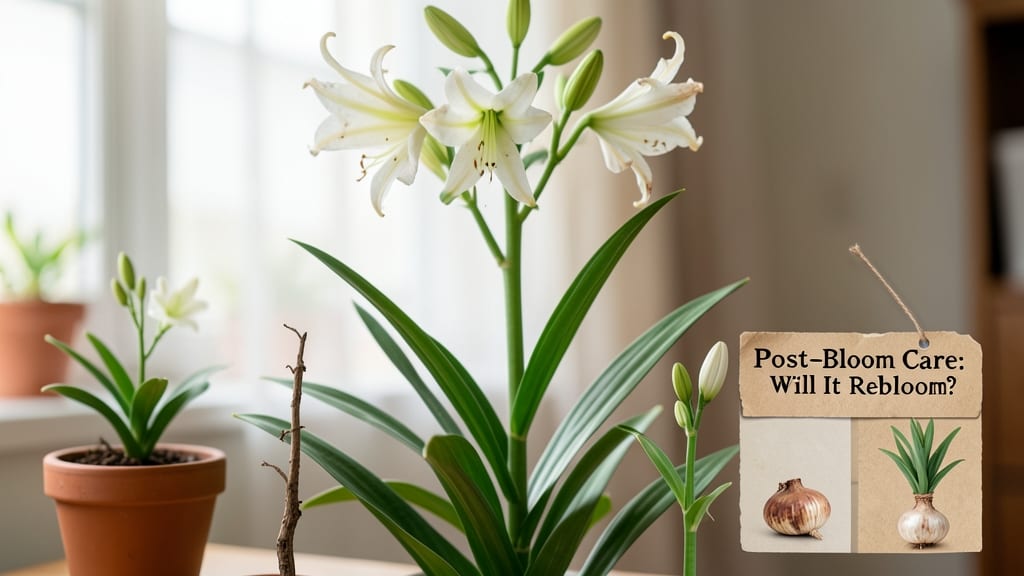
Easter lilies will bloom again only if you take specific steps, since they're seasonal perennials that naturally die back after their first flowering. With proper rhizome division or seed replanting, you can encourage new growth and future blooms under the right conditions.
Easter lilies follow a strict seasonal cycle where they devote all their energy to producing those stunning white blooms in spring.
Once they've finished flowering, their above-ground parts wither away as part of their natural dormancy phase. 🌱 The key to getting them to bloom again lies in understanding their underground structure—the thick rhizomes store energy that can be redirected toward new growth if properly cared for.
Unlike annuals that complete their entire life cycle in one season, Easter lilies have the potential to return if you provide consistent moisture, well-draining soil, and the right amount of sunlight during their dormant period.
What many gardeners don't realize is that these plants often need a bit of encouragement to break dormancy. The rhizomes must be divided every few years to prevent overcrowding, which can starve new shoots of the nutrients they need.
I've found that replanting sections of the rhizome in fresh soil during early spring gives them the best chance to establish roots before the growing season kicks in. This process mimics their natural propagation method and significantly increases your chances of seeing those beautiful blooms return next year.
💡 In This Article
- Why Easter Lilies Die After First Bloom
- How to Revive or Replace Easter Lilies for Future Blooms
Why Easter lilies die after first bloom
Easter lilies (Lilium longiflorum) follow a biological cycle where their primary energy focus is on producing those iconic trumpet-shaped blooms during spring. This process depletes their stored energy reserves, causing the plant to enter a natural dormancy phase.
Unlike true annuals that complete their entire lifecycle in one season, Easter lilies are seasonal perennials—meaning they can return if given proper conditions. The key difference lies in their underground rhizomes, which store nutrients and energy for potential regrowth.
The flowering process itself is metabolically demanding. Each bloom requires significant energy production through photosynthesis, which the plant prioritizes over maintaining foliage. Once flowering concludes, the leaves yellow and wither as the plant redirects resources back into the rhizomes for storage.
This natural energy conservation mechanism explains why most Easter lilies appear to "die" after their first bloom cycle. In their native habitats—warm, humid regions of Japan and China—they experience mild winters that allow rhizomes to remain viable for regrowth.
Climate plays a critical role in this lifecycle. In colder regions, Easter lilies struggle to survive winter dormancy without protection. The rhizomes need consistent moisture (but not soggy soil) and temperatures above 40°F to avoid rotting.
What's fascinating is how these plants time their dormancy: they enter it precisely when daylight hours shorten after summer solstice, triggered by hormonal changes in the rhizomes. This biological clock ensures they'll only attempt regrowth when environmental conditions are favorable again.
Here's what's happening underground during dormancy: The rhizomes undergo a process called "secondary thickening," where they build up starch reserves that will fuel next year's growth. However, if left undisturbed in the same pot or garden bed, these rhizomes can become overcrowded.
Each new shoot competes for the limited stored nutrients, often resulting in weak or non-flowering growth. This is why gardeners often see "rejuvenated" Easter lilies after dividing the rhizomes—it's like giving each section its own energy reserve to work with.
The color of the rhizomes actually indicates their health. Healthy ones should be firm with a creamy white interior, while soft or dark spots signal rotting from overwatering or poor drainage.
When you see new shoots emerging in early spring, it's a sign the rhizomes successfully stored enough energy during dormancy. These shoots will develop into the familiar strap-shaped leaves before eventually producing flower stalks—if given enough time and proper care.
One common misconception is that Easter lilies are toxic to pets (which they are) and therefore should be discarded after blooming. While toxicity is a valid concern, the plant's potential to return makes it worth considering protective measures like keeping them in elevated planters or wearing gloves during handling.
The real tragedy would be missing out on those fragrant blooms next season simply because we didn't understand their lifecycle! 🌸