
Blooming
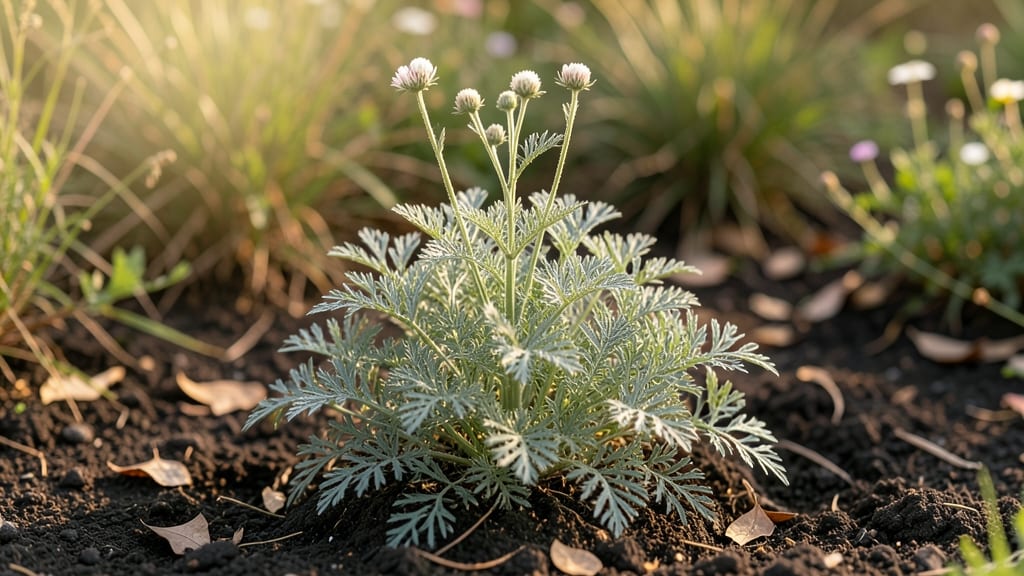
Yarrow does not bloom the first year, as it prioritizes developing a deep root system and basal foliage before producing flowers in its second year or later. Cold stratification and proper spacing can speed up early growth but won’t force blooms.
Yarrow’s first-year focus is all about survival and strength. 🌱 This hardy perennial stores energy in its roots and leaves, preparing for future blooms rather than wasting resources on flowers. The good news?
Once established, yarrow often rewards gardeners with abundant summer blooms that attract pollinators. Proper care—like well-draining soil and full sun—helps it mature faster, though blooms typically wait until the second growing season.
What many gardeners don’t realize is how yarrow’s growth strategy mirrors other perennials like lavender or sage. The key difference? Yarrow’s basal foliage spreads aggressively, creating a dense mat that supports future flowering.
If you’re impatient for color, focus on soil prep and spacing—these factors can shave off a season or two of waiting. But remember, rushing the process rarely works; nature’s timeline often wins.
💡 In This Article
- Yarrow’s Growth Stages: Why First-Year Blooms Rarely Happen
- Encouraging Early Yarrow Blooms: Spacing, Soil, and Care Tips
Yarrow’s growth stages: why first-year blooms rarely happen
Yarrow (Achillea millefolium) follows a survival-first growth strategy that prioritizes root and foliage development over flowering in its first year. Botanically, this is called the "juvenile phase," where the plant focuses on building a robust root system capable of storing nutrients for future growth.
During this stage, yarrow develops a dense network of fibrous roots that can extend 12-24 inches deep, anchoring it firmly in the soil while absorbing water and minerals efficiently. This underground growth creates a reservoir of energy that supports future blooming cycles.
The decision to bloom or not is governed by a balance of hormones, primarily auxin and florigen. Auxin, produced in the growing tips of roots and stems, suppresses flowering until the plant reaches a critical size—typically 6-12 inches in height with a well-developed root system.
Meanwhile, florigen, a flowering hormone, only activates when the plant senses sufficient energy reserves and favorable environmental conditions. In the first year, yarrow’s energy is almost entirely directed toward root and basal leaf production, leaving little for flower development. 🌱
Environmental factors play a crucial role in this delayed blooming. Yarrow thrives in full sun (6-8 hours daily) and well-draining soil with a pH of 6.0-7.5. When planted in less-than-ideal conditions—such as shaded areas or heavy, waterlogged soil—the plant diverts even more energy toward survival, further delaying blooms.
Temperature also matters: yarrow requires consistent warmth to grow, and cooler climates may push back flowering until the second or even third year. Even with perfect conditions, the plant’s internal clock often prevents first-year blooms, as nature’s design favors establishing a strong foundation before reproduction.
What’s fascinating is how yarrow’s growth mirrors other biennials and perennials like lavender or catmint, which also prioritize vegetative growth before flowering. The key difference is yarrow’s aggressive basal spread, where it forms a dense mat of foliage close to the ground.
This basal growth not only stores energy but also helps the plant compete with weeds and retain moisture during drought. The trade-off? While the foliage may look lush, the plant remains in a "holding pattern" until it’s ready to shift resources toward flower production.
One common misconception is that cold stratification (a process where seeds are exposed to cold temperatures to break dormancy) can force first-year blooms. While stratification does accelerate germination and early growth, it doesn’t override yarrow’s natural growth stages.
The plant will still focus on root and foliage development before flowering, regardless of how quickly it germinates. This is why gardeners often see robust first-year foliage but no flowers—even in ideal conditions. 🌿
Understanding this process helps explain why yarrow sometimes blooms in its first year but more often waits until the second. Factors like soil fertility, water availability, and competition from other plants can influence timing, but the plant’s internal programming remains the primary driver.
For gardeners eager for color, patience is key—once yarrow matures, it often produces clusters of flat-topped flowers in shades of white, yellow, or pink that bloom from early summer through fall.