
Blooming
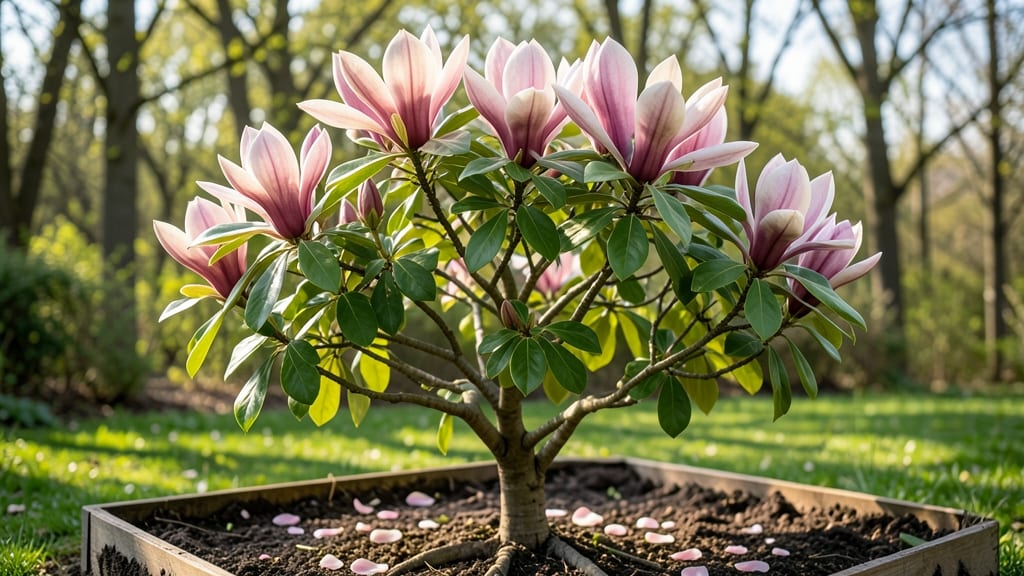
The exact magnolia bloom time transforms your yard into a fragrant spring wonder—but only if you know the secrets behind it 🌸.
Ever wonder why your Southern Magnolia blooms in May while your neighbor’s Star Magnolia bursts into flowers in late February? The answer lies in the variety, your hardiness zone, and even last year’s weather.
Missed blooms? It might not be the tree’s fault—over-pruning, poor soil, or stress could be holding those buds back.
In this guide, I’ll break down the bloom windows for 12+ magnolia types, how your zone shifts those months, and the 5 fixes to coax more flowers. Whether you’re in Zone 6a or a warmer climate, you’ll learn how to time your care for peak performance.
Ready to turn your magnolia into a reliable spring (or winter!) showstopper? Let’s get started.
Magnolia bloom time by variety: when to expect flowers
Magnolias are nature’s showstoppers, but their bloom times vary wildly depending on the variety. Some burst into flower in late winter, while others wait until late spring.
The Southern Magnolia (Magnolia grandiflora) typically blooms from April to June, while the Star Magnolia (Magnolia stellata) often flowers as early as February to March. Even within the same species, your USDA hardiness zone can shift bloom times by weeks.
Let’s break down exactly when to expect those iconic blooms—and how to encourage them.
Understanding your magnolia’s bloom window starts with the variety. Some, like the Saucer Magnolia (Magnolia × soulangeana), bloom in early spring, while others, like the Sweet Bay Magnolia (Magnolia virginiana), may flower in late spring or even summer.
Regional microclimates also play a role: a Star Magnolia in Zone 5 might bloom 2–3 weeks earlier than one in Zone 8. Below, we’ve mapped out the bloom seasons for 12+ popular varieties, including hybrids and their exceptions.
Pro Tip: If your magnolia isn’t blooming on schedule, check for bud set last summer—this determines next year’s flowers! Late frosts or drought stress can delay or prevent blooms entirely.
| Variety | Typical Bloom Time | Zone Range | Notes |
|---|---|---|---|
| Southern Magnolia (Magnolia grandiflora) | April–June | 6–10 | Large, fragrant blooms; late bloomer |
| Star Magnolia (Magnolia stellata) | February–March | 4–8 | Early bloomer; compact size |
| Saucer Magnolia (Magnolia × soulangeana) | March–April | 5–9 | Showy pink/purple blooms; hybrid vigor |
| Lily Magnolia (Magnolia liliiflora) | April–May | 6–9 | Tropical-looking blooms; heat-tolerant |
| Sweet Bay Magnolia (Magnolia virginiana) | May–July | 6–10 | Late bloomer; evergreen in warm zones |
| Cucumbertree Magnolia (Magnolia acuminata) | May–June | 4–8 | Native to U.S.; cone-like seed pods |
| Jane Magnolia (Magnolia × 'Jane') | April–May | 5–9 | Hybrid; disease-resistant; pink blooms |
| Yellow Magnolia (Magnolia × 'Yellow Bird') | April–May | 6–9 | Bright yellow blooms; compact habit |
| Bigleaf Magnolia (Magnolia macrophylla) | June–July | 6–9 | Giant blooms; slow-growing |
| Loebner Magnolia (Magnolia × loebneri) | March–April | 4–8 | Cold-hardy hybrid; early bloomer |
| Evergreen Magnolia (Magnolia × 'Elizabeth') | April–June | 5–9 | Fragrant; evergreen in warm zones |
| Korean Magnolia (Magnolia kobus) | April–May | 4–7 | Delicate white blooms; early spring |
Hybrids like the Loebner Magnolia or Jane Magnolia often combine the best traits of their parents, such as earlier bloom times or disease resistance. For example, the Loebner Magnolia
How your hardiness Zone shifts magnolia bloom months
If you’ve ever wondered why your neighbor’s Star Magnolia blooms in February while yours waits until April, the answer likely lies in your hardiness zone. Magnolias are sensitive to temperature shifts, and a mere 5-degree difference can delay or advance blooms by 2-4 weeks.
For example, a Zone 5 Star Magnolia often blooms in early March, while the same variety in Zone 8 might not open until late April.
Cold-hardy varieties like Jane Magnolia or Black Tulip Magnolia thrive in Zones 4-7, blooming as early as late February in cooler regions. Meanwhile, Southern Magnolias (Zones 7-10) typically wait until May or June—unless you’re in a mild microclimate where they might surprise you with April blooms.
Even within the same zone, elevation and microclimates can shift bloom times by 1-2 weeks.
- 🌡️ Zones 4-5: Star Magnolias bloom 2-3 weeks earlier (Feb–early March) due to colder winters triggering dormancy.
- 🌡️ Zones 6-7: Hybrid magnolias (e.g., Ann Magnolia) bloom 1-2 weeks later (March–April) as winters are milder.
- 🌡️ Zones 8-9: Southern Magnolias delay blooms until May–June due to warmer winters reducing dormancy pressure.
- 🌡️ Zone 10+: Evergreen magnolias may bloom year-round in frost-free climates, with peaks in spring and fall.
- ⏳ Pruning Tip: Late-winter pruning (just after blooms) can advance next year’s blooms by 1 week in cooler zones.
- ☀️ Sunlight Hack: Adding morning sun to partially shaded trees can push blooms 10 days earlier in Zones 6-8.
You can also influence bloom timing with targeted care. For example, applying a balanced fertilizer (like 10-10-10) in early spring encourages earlier blooms in Zones 5-7. Conversely, reducing water in late summer can delay blooms by 1-2 weeks in Zones 8-9, which helps avoid frost damage.
Watch for bud swell in late winter—this is your first clue about bloom timing. In Zone 6, buds swell by mid-February, while in Zone 9, they may not appear until March.
If buds swell but don’t open, it’s often due to late frosts or nutrient stress. A light layer of mulch in fall can protect roots and stabilize bloom times.
Pro tip: Track your magnolia’s bloom dates for 3 years to spot patterns. If blooms consistently shift later than expected, it could signal root-bound stress or poor drainage.
In that case, deep watering and aerating the soil can reset the timeline. With the right adjustments, you might even coax your magnolia to bloom earlier than your neighbors’! 🌿
Remember, magnolias are patient—they often take 3-5 years to bloom after planting. But once established, their zone-specific rhythms become predictable. Embrace the wait, and soon you’ll be the first on your block to spot those show-stopping blooms! ✂️