
Flowers
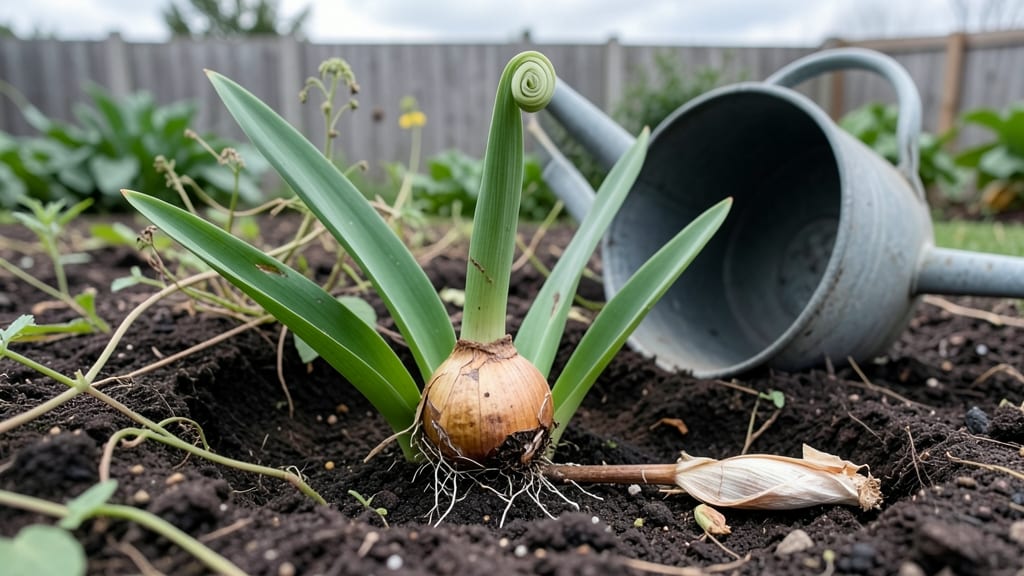
Growing lilies 🌸 from bulbs isn’t just about planting and hoping for the best—it’s about unlocking the right conditions for explosive growth and show-stopping blooms.
Struggling to get your lily bulbs to bloom year after year? The secret isn’t just in the soil—it’s in understanding the precise timing, care, and conditions these majestic flowers demand. With the right approach, you can transform dormant bulbs into stunning, long-lasting blooms that steal every show.
Here’s the truth: most gardeners overlook the critical stages of bulb growth, from planting depth to seasonal care. Skip these steps, and you’ll end up with weak stems or no flowers at all. But get it right, and you’ll enjoy vibrant blooms for years.
In this guide, I’ll walk you through everything—from planting in fall or spring to watering, sunlight, and even troubleshooting common problems. By the end, your lilies will be thriving like never before.


How to plant lily bulbs for maximum growth and blooms
Planting lily bulbs correctly is the foundation for vibrant blooms and healthy growth. Unlike some bulbs, lilies demand specific conditions—from planting depth to seasonal timing—to thrive. Whether you're a beginner or a seasoned gardener, mastering these steps will ensure your lilies flourish for years.
The key? Timing, soil prep, and proper spacing—all of which I’ll break down in detail below.
Lilies are perennial powerhouses, but they won’t reward you with showstopping flowers unless you follow their natural growth cycle. For example, planting in fall (6-8 weeks before frost) gives bulbs time to establish roots before winter, while spring planting (after the last frost) works for warmer climates.
Both methods can yield stunning results, but the approach differs based on your USDA zone and local frost dates.
Step-by-Step Guide to Planting Lily Bulbs
-
Step 1: Choose the Right Time
Plant in fall (September-October) or early spring (March-April), 6-8 weeks before last frost. Fall planting is ideal for most regions.
-
Step 2: Select a Sunny Spot
Lilies need 6+ hours of full sun daily. Avoid shady areas—partial shade reduces blooms and weakens stems.
-
Step 3: Prepare the Soil
Amend clay or heavy soil with compost or sand to ensure well-draining conditions. Lilies hate soggy roots!
-
Step 4: Plant at the Right Depth
Dig holes 6-8 inches deep (twice the bulb’s height) and space bulbs 6-12 inches apart. Larger varieties need more space.
-
Step 5: Position the Bulb Correctly
Place the bulb pointy end up, with the basal plate (flat bottom) facing downward. This ensures proper root growth.
-
Step 6: Cover and Water
Backfill with soil, leaving 1 inch of space at the surface. Water deeply to settle the soil and encourage root development.
-
Step 7: Mulch for Protection
Apply 2-3 inches of mulch (straw or shredded leaves) to retain moisture and protect bulbs in winter.
One of the most common mistakes gardeners make is planting bulbs too shallow. Shallow planting exposes bulbs to temperature fluctuations and pests, while deep planting can suffocate roots. Aim for 6-8 inches deep—this depth mimics their natural habitat and promotes robust growth.
Additionally, avoid planting lilies where tulips or daffodils have grown before, as they share diseases like botrytis.
Spacing is another critical factor. Crowded bulbs compete for nutrients and sunlight, leading to smaller blooms or no flowers at all. For dwarf varieties, space bulbs 6 inches apart, while taller lilies (like Oriental hybrids) need 12 inches of space.
This ensures each plant has room to develop strong stems and vibrant blooms.
Soil type plays a surprising role in lily bulb growth. Well-draining soil is non-negotiable—lilies rot quickly in soggy conditions. If your garden soil is heavy clay, mix in compost and perlite to improve drainage.
A simple test: Dig a hole, fill it with water, and time how long it drains. If it takes more than 30 minutes, amend the soil before planting.
Timing your planting to avoid extreme heat is also key. In hot climates, plant bulbs in late fall or early spring to prevent them from drying out. Conversely, in cooler regions, fall planting allows bulbs to establish roots before winter dormancy.
Always check your last frost date—planting too early in cold zones can lead to frost damage.
After planting, resist the urge to overwater. Lilies prefer moderate moisture—water deeply once a week, then reduce frequency as foliage dies back in late summer.
Overwatering in fall or winter can cause bulb rot, a fatal issue for these perennials. Let the soil dry slightly between waterings to mimic natural conditions.
For container gardening, choose pots with drainage holes and use a lightweight potting mix. Plant one bulb per 5-inch pot (larger pots for bigger varieties) and place containers in a sunny spot.
Containers dry out faster, so monitor soil moisture closely—potted lilies need watering every 5-7 days in summer.
With these steps, your lilies will reward you with bold, healthy blooms
Lily bulb care schedule: watering, sunlight, and fertilizing for healthy growth
Getting your lily bulbs to thrive requires a seasonal approach to care. Unlike many plants, lilies have distinct needs during spring growth, summer dormancy, and winter rest.
The key to vibrant blooms lies in balancing watering frequency, sunlight exposure, and nutrient timing—each tailored to your lily variety.
For example, Asiatic lilies love full sun and consistent moisture, while Oriental lilies prefer partial shade in hot climates and drier soil to prevent rot. Fertilizing at the right time—like early spring and late summer—can double your bloom count by strengthening bulb roots.
Let’s break down the exact schedule you need to follow.
Your watering schedule should shift dramatically between seasons.
In spring, when shoots first emerge, lilies need weekly deep watering—about 1 inch per week—to encourage robust root growth. Asiatic lilies, in particular, thrive with consistent moisture during this phase, while Oriental lilies prefer slightly drier conditions to prevent fungal issues.
Use a moisture meter to check soil depth; aim for 6-8 inches deep.
By summer, reduce watering to every 10-14 days after blooming. This mimics their natural dormancy cycle and prevents bulb rot. Oriental lilies especially benefit from morning sun and afternoon shade—a trick that keeps their petals vibrant and leaves crisp.
If your area experiences 90°F+ temperatures, mulch with straw or pine needles to retain moisture without suffocating the bulbs.
Fertilizing is where many gardeners go wrong. Synthetic fertilizers like 5-10-10 work well in early spring to boost blooms, but organic options such as compost tea or fish emulsion provide slower-release nutrients that strengthen bulbs long-term.
Avoid fertilizing in summer or fall—this forces new growth when bulbs need to rest. Instead, focus on top-dressing with compost in late winter to wake up dormant bulbs.
One common mistake is overwatering in winter. Lilies enter dormancy when temperatures drop below 50°F, and excess moisture can lead to rot. Cut back to monthly watering and let the soil dry out completely between sessions.
If you’re in USDA Zone 7 or colder, add a 2-inch layer of mulch to insulate bulbs without trapping moisture.
For potted lilies, adjust your schedule: water every 5-7 days in spring/summer since containers dry out faster. Place pots in full sun but move them to partial shade during peak afternoon heat. Repot every 2-3 years to refresh soil nutrients—this alone can revive struggling bulbs and encourage bigger blooms.