
Blooming
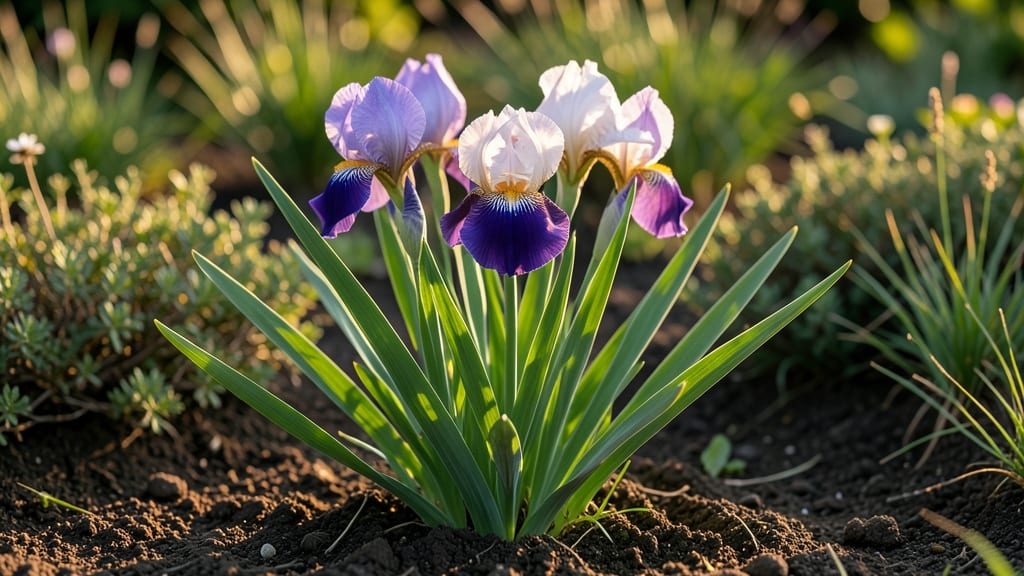
Timing your iris blooms right means knowing when these 🌸 stunning flowers will burst into color—typically late spring to early summer, but climate and care can shift that window dramatically.
Wondering why your irises aren’t blooming when they should—or how to make them last longer? Timing and pruning are the secret weapons every gardener needs to unlock a stunning, extended iris season.
Bearded irises usually bloom first, followed by Siberian and Japanese varieties, but USDA Zone 6a gardeners know a late frost or heavy rain can push those blooms back by weeks. The right soil, sunlight, and a little strategic trimming can turn a short-lived display into months of color.
Here’s how to predict bloom time, adjust for your region, and use simple pruning tricks to keep those 🌸 petals popping all season long—no guesswork required.
Iris bloom time by variety: when to expect flowers and how climate affects them
If you’ve ever wondered why your bearded irises bloom earlier than your Japanese irises, the answer lies in their natural growth cycles and your local climate. Each iris variety has its own bloom window, but temperature shifts and frost timing can push those windows earlier or later.
Understanding these patterns helps you plan your garden for maximum impact—and avoids disappointment when your favorite irises skip their usual show.
For example, Siberian irises often bloom in mid-to-late spring, while Japanese irises may wait until early summer. But in USDA Zone 5, a late frost could delay blooms by weeks, while Zone 9 gardeners might see flowers appear as early as February.
Let’s break down the specifics so you can predict—and extend—your iris season with confidence.
Here’s a quick reference for the three most popular iris types, including how regional climates and frost risks influence their bloom times. Use this as your guide to adjust expectations and care routines.
Climate plays a huge role in iris bloom timing, especially when it comes to first and last frost dates. For instance, in USDA Zone 3, where winters are harsh, bearded irises might not bloom until mid-June due to delayed soil warming.
Conversely, in Zone 10, you could see flowers as early as March if planted in a microclimate with extra warmth.
Pay attention to your local frost dates. If your area experiences a late frost after April 15, your bearded irises may suffer bud damage. To protect them, consider covering plants with frost cloth or choosing later-blooming varieties like 'Immortality' or 'Black Gamecock', which handle cooler temps better.
Another key factor is daylength. Irises are long-day plants, meaning they need 14+ hours of daylight to trigger blooming. In northern latitudes (e.g., Zone 4), this happens later in spring, while southern gardens (e.g., Zone 8) may see earlier blooms because days lengthen sooner.
If you’re in a shorter-day region, supplement with a grow light for 2-3 hours in the evening to encourage blooming.
Soil temperature also matters. Irises won’t bloom until the soil reaches 50–55°F. In cool climates, this can delay blooms by 3–4 weeks. To speed things up, plant rhizomes in south-facing beds where they absorb more heat.
If your soil stays cold, try black plastic mulch to warm the roots faster.
One common misconception is that all irises bloom at the same time. In reality, Japanese irises often bloom 4–6 weeks later than bearded irises, which is why layering varieties creates a longer bloom season.
For example, pair 'Blue Flag' (bearded, early May) with 'Koi' (Japanese, late June) to enjoy color from May through July.
If you’re in a transition zone (e.g., Zone 7), where weather is unpredictable, plan for variable bloom times. A cold snap in April might push blooms back, while an early warm spell could bring them forward.
Keep a gardening journal to track your irises’ patterns over years—this helps you anticipate and adjust care routines.
Finally, remember that well-established rhizomes bloom more reliably than new plants. If your irises are 3+ years old but still not flowering, they may need division or fertilizer to encourage blooms. Use a balanced 5-10-10 fertilizer in early spring to give them a growth boost for the season ahead.
Pruning hacks to extend iris bloom time: step-by-step guide for longer seasons
If your irises are putting on a short-lived spring show, proper pruning can transform a one-time bloom into a reblooming powerhouse. The key? Timing and technique. Most gardeners make the mistake of cutting too late or too soon, which signals the plant to enter dormancy prematurely.
With these pruning hacks, you'll coax your irises into producing second blooms—or at least healthier foliage for next season.
Iris blooms follow a 60-40 rule: wait until 60% of blooms have faded before pruning spent stems. This gives the plant energy to reallocate nutrients toward new growth. For bearded irises, this typically means mid-to-late June in most USDA zones 5-9.
Siberian and Japanese irises may bloom slightly later, so adjust your timing by 1-2 weeks based on your local climate.
🌸 Step-by-Step Iris Pruning Guide
- Step 1
- Step 2
- Step 3
- Step 4
- Step 5
For reblooming varieties like 'Florence Sullivan' or 'Blue Flag', follow these steps twice a year: once after the first bloom cycle (June) and again after the second bloom (August-September).
This double-pruning method can extend your iris season by 6-8 weeks in optimal conditions. Just remember: patience is key—reblooming takes 2-3 seasons of proper care to fully develop.
Pro tip: Use sterilized pruners to prevent iris borer transmission. Wipe blades with rubbing alcohol between cuts, especially if your garden has had past infestations. A 5-minute cleanup now can save your entire iris bed from foliage loss next spring.
With these pruning hacks, your irises will reward you with longer bloom times, healthier foliage, and even second chances at color. The secret? Less is more—cut strategically, not aggressively, and your irises will thank you with spectacular displays year after year. 🌿