
Blooming
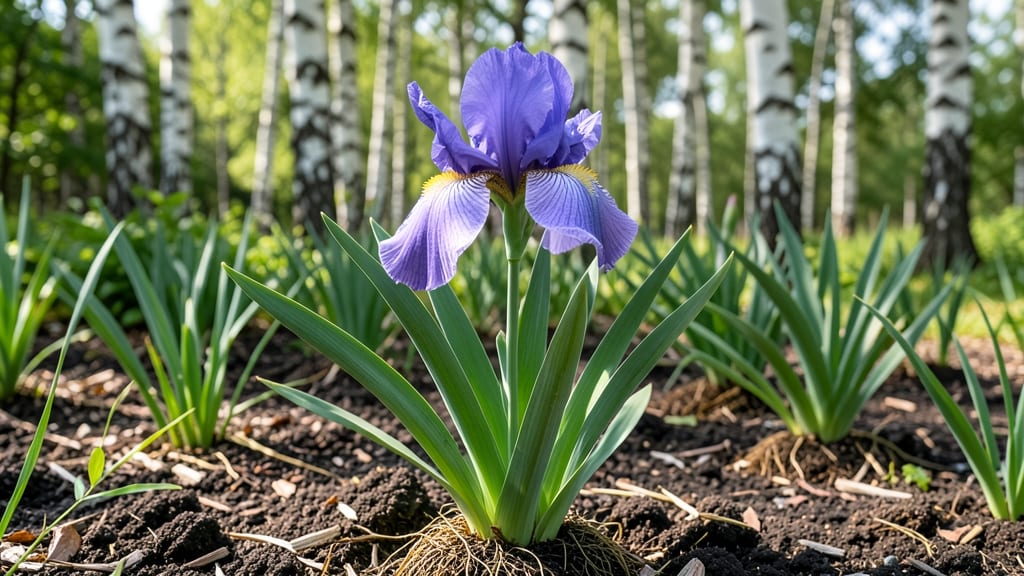
Your iris plant’s bloom time depends on the variety, climate, and care you provide—typically unfolding in late spring to early summer when conditions are just right 🌸.
Ever waited eagerly for those striking, sword-like blooms only to be met with silence from your iris? You’re not alone.
The timing can feel like a guessing game, but knowing the right cues—like your zone, the type of iris, and even last year’s pruning—can shift disappointment into a spectacular spring display.
From early bloomers in March to late risers in June, different iris varieties have their own schedules, and your local climate plays a starring role. Warmer zones may see flowers weeks earlier than cooler ones, while a little extra sunlight or a well-timed fertilizer can nudge your plants into action.
Below, I’ll break down when to expect blooms by variety, how your climate zone affects the timeline, and the simple tweaks that can turn a sparse show into a garden full of color—so you’re never left wondering where those flowers went.

Iris bloom time by variety: when each type flowers
If you're eagerly waiting for those show-stopping iris blooms, timing is everything!
Different iris varieties bloom at distinct times throughout the year, and knowing when to expect flowers helps you plan your garden's color highlights. Bearded irises are the most popular, but Siberian, Japanese, and Louisiana irises each have their own unique bloom windows.
Let's break down when each type typically flowers so you can anticipate their stunning displays.
Understanding bloom times also helps you extend your iris season by planting a mix of early, mid-, and late-season varieties. For example, early spring bloomers like Siberian irises might appear as early as March, while late-season Louisiana irises can keep your garden vibrant until July.
The key is matching your climate zone with the right varieties to ensure consistent color year-round.
Here’s a quick reference for iris bloom times by variety, including visual cues to help you identify each type and their flowering periods:
| Variety | Bloom Time | Height (ft) | Color Palette | Bloom Duration |
|---|---|---|---|---|
| Bearded Iris | Late April - June | 2-3 | Purple, blue, yellow, white, bicolor | 2-3 weeks |
| Siberian Iris | March - May | 1.5-2.5 | Blue, violet, white, yellow | 3-4 weeks |
| Japanese Iris | June - August | 1-2 | Purple, white, pink, lavender | 3-5 weeks |
| Louisiana Iris | May - July | 3-5 | Purple, white, yellow, red | 4-6 weeks |
| Dwarf Iris | April - May | 0.5-1.5 | Yellow, purple, white | 2-3 weeks |
| Reblooming Bearded Iris | Late April + August-Sept | 2-3 | Purple, blue, yellow, white | 2-3 weeks (each flush) |
Bearded irises are the classic spring bloomers, typically gracing gardens from late April through June. Their distinct "beard" on the falls (the lower petals) makes them easy to spot. These are the most common iris type and come in a vast array of colors, from deep purples to sunny yellows. If you’re planting for a bold early spring display, prioritize these varieties—they won’t disappoint!
Siberian irises are the early risers of the iris world, often blooming as early as March in milder climates. They thrive in cooler temperatures and are perfect for adding color to early spring gardens when many other perennials are still dormant. Their slender, graceful blooms stand out with their vibrant blues and purples, and they’re ideal for woodland gardens or areas with partial shade.
For a summer-long show, turn to Japanese and Louisiana irises. Japanese irises bloom from June to August, offering delicate, lavender and white blooms that thrive in moist, well-drained soil—perfect for pond edges or rain gardens.
Meanwhile, Louisiana irises are the tallest and most dramatic, with bold, tropical-looking flowers that appear from May to July. These are fantastic for adding height and drama to your garden.
If you’re short on space, dwarf irises are a must-have. These compact beauties bloom in April and May, reaching just 6 inches to 1.5 feet tall. Their bright yellows and purples make them ideal for rock gardens, borders, or even container plantings.
They’re also low-maintenance and perfect for adding pops of color to small gardens or window boxes.
For those who love extended blooming seasons, reblooming bearded irises are a game-changer. Unlike their once-a-year counterparts, these varieties produce two bloom cycles per year: once in late spring and again in late summer or early fall.
This means you can enjoy their stunning flowers for nearly half the year! Look for varieties like 'Immortality' or 'Sheila' for reliable reblooming performance.
To maximize your iris blooms, pay attention to their post-bloom care. After flowers fade, cut back the spent blooms but leave the leaves intact until they turn yellow. This ensures the plant can store energy for next year's blooms.
Also, divide clumps every 3-5 years to prevent overcrowding, which can reduce flowering. With the right variety mix, your garden can enjoy iris blooms from March to September!
How climate zones affect iris bloom timing (and how to adjust)
Your iris plants' bloom time isn't set in stone—it shifts dramatically based on your USDA hardiness zone. In cooler zones like 4-6, irises often burst into bloom by late April or May, while warmer zones 7-9 may see flowers as early as February or March.
Even within the same region, microclimates can push blooms weeks earlier or later.
For example, my bearded iris in Zone 5 typically blooms in early May, but last year's unusually warm April brought flowers by mid-April. Understanding these patterns helps you adjust care and expect timing accurately.
Let's explore how to work with your climate—not against it—to coax the best bloom performance from your irises.
- Zones 3-5: Expect late April-June blooms. Use mulch to protect rhizomes in winter and early spring fertilizer to jumpstart growth.
- Zones 6-8: Blooms arrive March-May. In Zone 8+, shade cloth can prevent heat stress during summer dormancy.
- Forcing Earlier Blooms: In Zones 4-6, dig up rhizomes in late summer, pot them, and store indoors (40-50°F) until February for early spring display.
- Forcing Later Blooms: In Zones 7-9, plant Japanese irises (which bloom late summer) or use light pruning to delay bearded iris blooms by 2-3 weeks.
- Microclimate Tips: South-facing beds bloom 1-2 weeks earlier than north-facing. Use windbreaks to reduce stress in exposed areas.
If you live in a warmer climate (Zones 7-10), your irises might bloom too early, followed by heat stress that fades flowers quickly. To extend the show, I recommend planting late-blooming varieties like 'Misty Blue' bearded iris or Siberian irises, which handle heat better.
Mulching with gravel or straw also helps regulate soil temperature.
In colder climates (Zones 3-5), the challenge is often late spring frosts damaging new blooms. To mitigate this, I choose early bloomers like 'Blue Flag' or 'Katherine Hodgkin', which open before frost dates.
Planting near a south-facing wall can add 2-3°F warmth to the microclimate, pushing blooms ahead of frost.
Don't forget that watering habits also play a role. In dry climates, deep watering once weekly encourages stronger stems, while humid zones may need less frequent watering to prevent fungal issues. Adjust your routine based on your local rainfall patterns and soil type—sandy soil dries faster than clay.
With these adjustments, you can fine-tune iris bloom time to match your garden's peak season. Whether you're chasing early spring color or extending summer blooms, understanding your climate zone and microclimates puts you in control. Happy gardening!