
Blooming
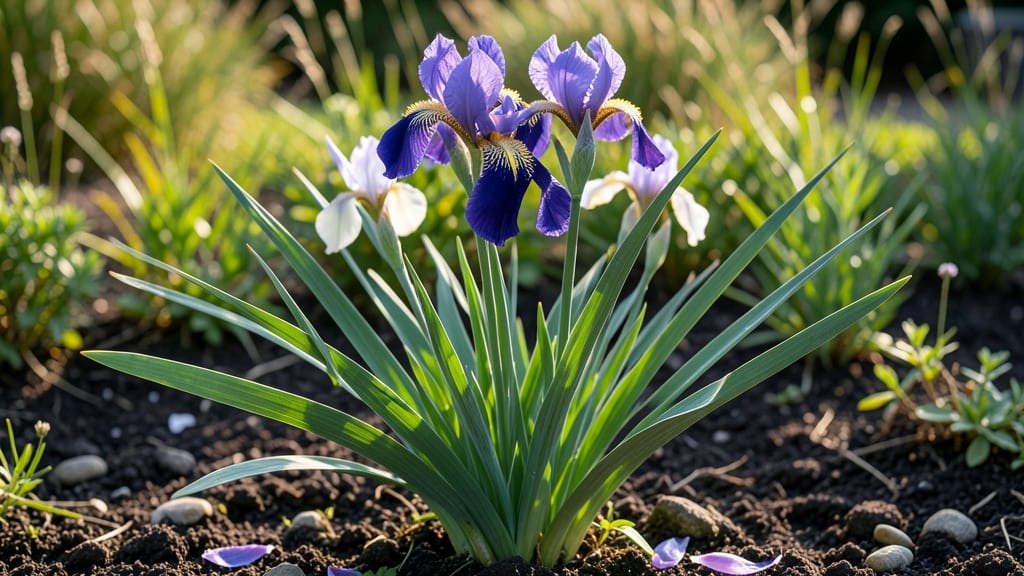
The Siberian iris bloom time you’ve been waiting for arrives between late April and early June 🌸—but the exact month depends on your hardiness zone and the variety you’ve planted.
Picture this: you’ve just tucked the last of the winter blankets away, and suddenly, your garden explodes with bold, velvety blooms in shades of purple, white, and blue. That’s the magic of Siberian irises, but timing isn’t just luck—it’s science.
Whether you’re in Zone 4 or Zone 8, knowing the right window can mean the difference between a sparse display and a showstopper.
Some varieties, like the early-blooming ‘Caesar’s Brother,’ may greet you in May, while others, such as the late-season ‘White Swan,’ stretch into June. Sunlight, soil, and even last year’s care play a role in nudging those buds along.
Below, I’ll break down the exact months for your zone, plus the small tweaks that can turn a good bloom into a spectacular one.
Ready to plan your garden’s grand entrance? You’ll discover how to coax your Siberian irises into their prime, troubleshoot delays, and keep them coming back year after year with minimal effort.
Siberian iris bloom time by variety: exact months for peak beauty
If you're dreaming of vibrant Siberian iris blooms lighting up your garden, timing is everything. These hardy perennials typically bloom in late spring to early summer, but exact months vary by variety and USDA hardiness zone.
Knowing your specific cultivar's bloom window lets you plan companion plants and enjoy peak color for weeks.
Siberian iris varieties range from early bloomers in March to late-season showstoppers in June. Some, like 'Caesar's Brother,' thrive in cooler climates, while others like 'White Swan' prefer milder zones. The key is matching your variety to your local frost dates and sunlight conditions for the most dramatic display.
🌸
| Variety | Bloom Months (Zones 3-5) | Bloom Months (Zones 6-8) | Height (ft) | Color |
|---|---|---|---|---|
| 'Caesar's Brother' | May-June | April-May | 2-2.5 | Deep purple |
| 'White Swan' | June-July | May-June | 1.5-2 | Pure white |
| 'Sheila' | May-June | April-May | 2-2.5 | Lavender-blue |
| 'Jazz Hands' | June-July | May-June | 1.5-2 | Yellow |
| 'First Star' | April-May | March-April | 2-2.5 | Blue |
For gardeners in cooler zones (3-5), expect Siberian iris blooms to arrive later in May or June as plants wait for consistent warmth. In warmer zones (6-8), many varieties bloom as early as March or April, sometimes even before spring bulbs like daffodils.
My personal favorite, 'White Swan,' always blooms in late May in my Zone 5 garden, creating a stunning contrast against early summer foliage. The early bloomers like 'First Star' are perfect for extending your color season—plant them near late tulips for seamless transitions.
🌷
If you're growing multiple varieties, plan for a 3-4 week bloom spread. Start with early types like 'First Star' (March-April in warm zones), then add mid-season favorites like 'Sheila' (May-June), and finish with late bloomers like 'Jazz Hands' (June-July).
This staggered approach ensures your garden stays vibrant from spring through early summer.
Pro tip: Deadhead spent blooms to encourage reblooming, especially with varieties like 'White Swan' that sometimes produce a second flush in late summer. Just avoid cutting back foliage until it naturally yellows—this helps the rhizomes store energy for next year's blooms.
🌻
For container gardening, choose compact varieties like 'Jazz Hands' (1.5-2 ft tall) to maximize bloom time in limited spaces. Containers warm up faster than garden beds, so you may see blooms 1-2 weeks earlier than in-ground plants.
Just ensure pots have excellent drainage—Siberian iris rhizomes rot quickly in soggy soil.
Remember, local microclimates can shift bloom times by weeks. A sunny, south-facing spot may trigger earlier blooms, while shaded areas could delay flowering. Pay attention to your plants' cues and adjust expectations accordingly.
How hardiness zones affect Siberian iris bloom timing
If you’ve ever wondered why your neighbor’s Siberian iris blooms earlier than yours, the answer likely lies in your hardiness zone. These zones—ranging from 3 to 8—dictate when your iris wakes from dormancy and when it bursts into color.
In colder zones like Zone 4, blooms arrive in May-June, while warmer Zone 8 gardeners enjoy flowers as early as March-April. Understanding this timing helps you plan for optimal viewing and care.
Temperature shifts trigger blooming, but other factors like soil warmth and daylight hours also play a role. For example, a Zone 5 iris might bloom in late April to May, while a Zone 7 plant could start as early as March.
Even within the same zone, microclimates—like a sunny slope—can shift bloom windows by weeks. Knowing these patterns lets you adjust care to maximize flower power.
- Zone 3-4 Bloom: May-June – Cold snaps delay early growth, but iris thrives in cooler springs. Plant in full sun to hasten blooms.
- Zone 5-6 Bloom: April-May – Moderate climates offer ideal conditions. Mulch in fall to protect rhizomes and encourage earlier blooms.
- Zone 7-8 Bloom: March-April – Warmer winters mean earlier growth. Prune spent blooms to redirect energy for longer flowering.
To extend your Siberian iris’s bloom season, start by choosing early-, mid-, and late-blooming varieties. For instance, pair 'Caesar’s Brother' (early) with 'Sheila' (late) to create a continuous color show.
Another trick? Plant in well-draining soil with 3-4 inches of mulch—this insulates roots in cold zones and keeps them cool in hot ones, both of which encourage timely blooms.
If your iris blooms late or sparsely, check for overcrowded rhizomes or poor sunlight. Divide clumps every 3-4 years to rejuvenate growth, and ensure it gets 6+ hours of sun daily.
In Zone 8, where blooms arrive early, avoid heavy winter mulch—it can delay dormancy and push blooms too soon, risking frost damage.
For gardeners in transition zones (e.g., Zone 6-7), monitor local frost dates. If a late frost threatens early blooms, cover plants with frost cloth at night. Conversely, in Zone 4, use black plastic mulch in spring to warm soil faster.
These small adjustments can shift bloom times by 1-2 weeks, giving you more control over your garden’s timing.
By aligning your care with your hardiness zone, you’ll enjoy longer, more reliable blooms—and maybe even outshine your neighbor’s iris! Experiment with varieties and microclimates to find the perfect bloom schedule for your garden. 🌸