
Blooming
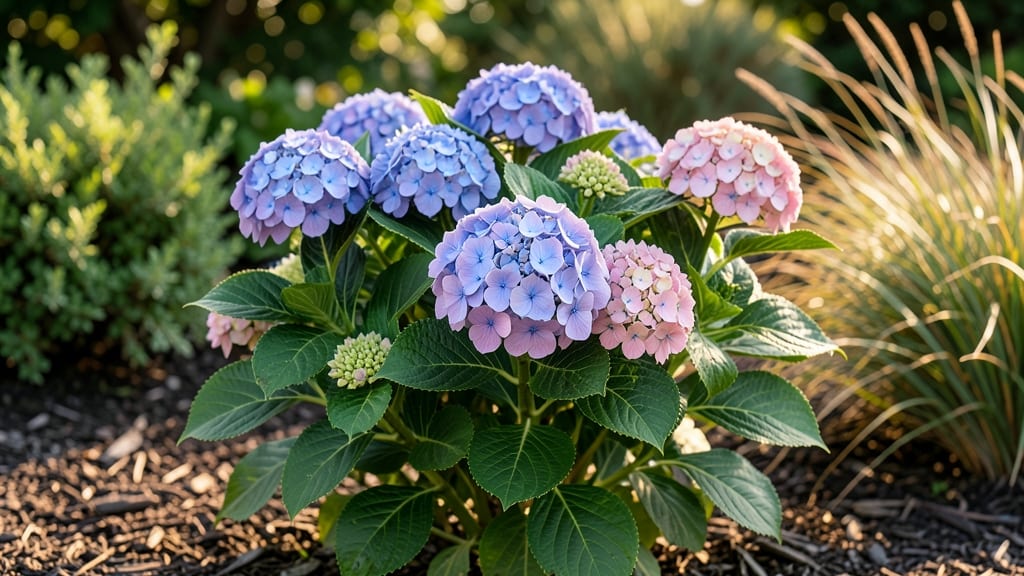
Timing your hydrangea blooms for the best color and longest display depends on your zone, variety, and a few key care tricks.
If you’ve ever wondered why your hydrangeas bloom early one year and late the next, the answer lies in your planting zone—and a few other key factors. Understanding the perfect bloom windows for your region can transform your garden from a hit-or-miss display to a year-round showstopper.
In Zone 6a, where many gardeners live, hydrangeas typically burst into color between June and September, with early bloomers like paniculata varieties starting as early as late May. But climate shifts, pruning mistakes, and even soil pH can push those blooms weeks earlier or later than expected.
Below, I’ll break down the exact bloom windows by zone, how to adjust care for your region, and the simple pruning tweaks that can extend your hydrangea’s show by 4-6 weeks—no guesswork required.
Hydrangea bloom time by USDA planting zones: when to expect peak color
Hydrangeas are nature’s fireworks display, but their bloom timing varies dramatically depending on your USDA planting zone and the specific variety you’re growing.
In colder zones like 3-5, expect blooms to arrive later in the season compared to warmer zones 7-9, where hydrangeas often burst into color as early as late spring.
The type of hydrangea also plays a key role—Hydrangea paniculata (panicle hydrangeas) tend to bloom on new wood and often flower earlier, while Hydrangea macrophylla (mophead and lacecap) bloom on old wood and may wait until summer.
Climate factors like humidity levels, late spring frost, and summer heat can shift bloom windows by weeks. For example, in zone 4, a late frost might delay blooms until June or July, while in zone 9, hydrangeas may start flowering as early as April.
Understanding these patterns helps you plan your garden layout and care routine to maximize bloom duration and color intensity.
Here’s a zone-by-zone breakdown of when to expect peak hydrangea color, along with the best varieties for each climate. Use this as your gardening calendar to time pruning, fertilizing, and deadheading for the most stunning displays.
In zones 3-4, where winters are harsh, hydrangeas like 'Limelight' and 'Annabelle' shine as reliable performers. These varieties bloom on new wood, so they’re less affected by late frosts that can damage old wood bloomers like 'Endless Summer'.
To encourage earlier blooms, mulch heavily in fall and water consistently until the ground freezes—this gives roots a head start in spring.
For gardeners in zones 5-6, the classic 'Nikko Blue' and 'Grandiflora' deliver dramatic color, but their timing depends heavily on your last frost date. If you live in a humid climate, these varieties may bloom earlier due to increased moisture, while drier areas might see delays.
Prune these old wood bloomers right after they finish flowering in late summer to avoid cutting off next year’s buds.
Southern gardeners in zones 7-8 enjoy the advantage of earlier blooms, often as early as May. Varieties like 'Vanille Fraise' (with its pink-to-red blooms) thrive in this climate, but watch for summer heat stress, which can cause buds to drop.
To combat this, provide afternoon shade and keep soil consistently moist. In these zones, you can also push for reblooming by deadheading spent flowers and fertilizing lightly in early summer.
In the warmest zones (9-10), hydrangeas like 'Let's Dance' and 'Tuff Stuff' often bloom as early as April, sometimes even twice in a season. The key to success here is protecting blooms from intense midday sun and ensuring soil doesn’t dry out completely.
These zones also allow for experimenting with container gardening, where you can move pots to shadier spots during heatwaves to preserve bloom quality.
Regardless of your zone, soil pH plays a surprising role in bloom timing and color. Acidic soil (pH 5.0-5.5) produces blue flowers, while alkaline soil (pH 6.0-7.0) yields pink blooms.
Test your soil in early spring and amend it with sulfur or lime as needed to achieve your desired color. This adjustment can also encourage more vigorous growth, leading to earlier and more abundant blooms.
One final tip: Pay attention to your hydrangeas’ bud formation in late winter. If you notice buds swelling in February or March, your plants are likely ready for an earlier bloom window.
Conversely, if buds appear soft and green well into spring, a late frost or cold snap may have delayed development. In these cases, protect your plants with frost cloth
How to extend your hydrangea bloom time with pruning and care
Want your hydrangeas to bloom longer and brighter? The secret lies in smart pruning and seasonal care tailored to your USDA zone. By understanding when and how to trim, you can encourage second flushes of blooms and keep your shrubs vibrant well into fall.
Let’s break down the steps to maximize your hydrangea bloom time—whether you’re in chilly Zone 3 or warm Zone 9.
First, identify your hydrangea type, as pruning needs vary. Panicle hydrangeas (Hydrangea paniculata) bloom on new wood and can handle bold pruning, while mophead and lacecap hydrangeas (Hydrangea macrophylla) bloom on old wood and need gentler care.
Mispruning is the #1 reason blooms fizzle early—so let’s fix that!
Step-by-Step Guide to Extend Bloom Time
- 1 Prune at the right time: For new wood bloomers (panicle types), prune in late winter or early spring (Zones 3-5) or late winter to early spring (Zones 6-9). For old wood bloomers, wait until immediately after flowering to avoid cutting off next year’s buds.
- 2 Deadhead spent blooms: Snip off faded flower heads in late summer (after July 4th) to redirect energy to new growth. This tricks the plant into producing a second flush of blooms in late summer or fall, extending your show by 4-6 weeks.
- 3 Adjust soil pH for vibrant colors: Blue blooms thrive in acidic soil (pH 5.0-5.5), while pink blooms prefer neutral to slightly alkaline soil (pH 6.0-7.0). Test your soil in early spring and amend with sulfur (for blue) or lime (for pink) as needed.
- 4 Fertilize strategically: Apply a balanced fertilizer (10-10-10) in early spring and again after deadheading. Avoid high-nitrogen feeds in late summer, as they encourage leafy growth over blooms. Use organic compost for steady nutrition.
- 5 Mulch and water deeply: Spread 2-3 inches of mulch around the base in early spring to retain moisture and regulate soil temperature. Water deeply once weekly (or every 5-7 days in summer) to encourage root growth and bloom production.
Don’t forget to protect your hydrangeas in Zones 3-5 during late frosts. Wrap young plants in burlap or use frost cloth to shield buds from below 20°F.
Even in warmer zones, late-season frosts can damage blooms, so monitor your local frost dates and act fast if a freeze is forecasted.
With these pruning and care tweaks, your hydrangeas will reward you with longer bloom seasons, from early summer straight through to fall.
Pro tip: Take photos of your pruning cuts each year to track progress—you’ll be amazed at how much more your shrubs thrive with intentional care! 🌸