
Blooming
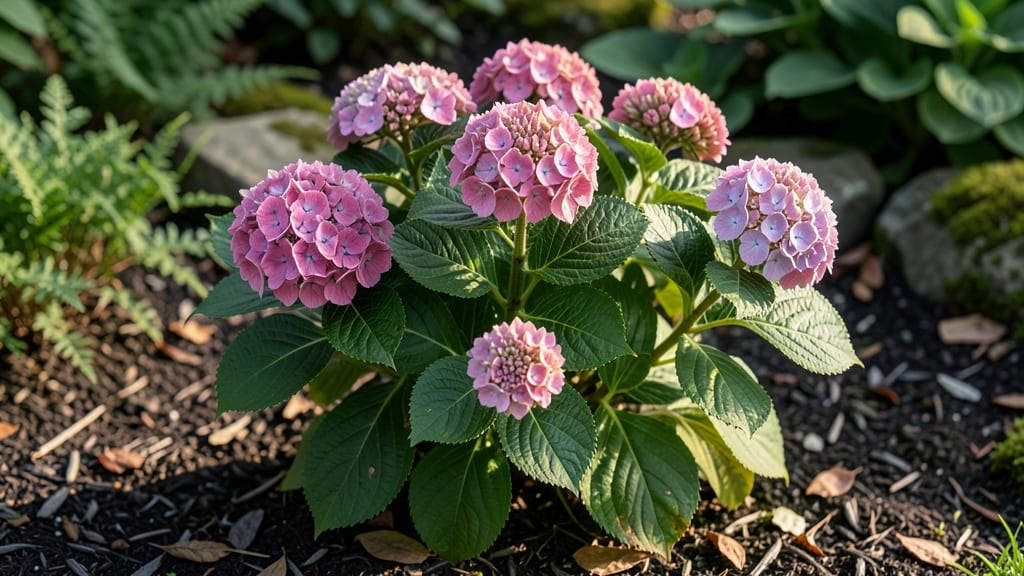
Your Bloomstruck hydrangea’s purple spikes arrive when temperatures hit 75°F for 3-4 weeks—but timing varies wildly from zone 5’s late July to zone 9’s May blooms. 🌸 Honestly, I used to panic when mine bloomed in June instead of August, until I learned the secret: heat triggers blooms, not calendar months.
The plant stores energy all winter, then bursts into color when summer finally warms up.
Sunlight and soil make all the difference—morning sun prevents wilting, while acidic, well-draining soil (pH 5.5-6.2) fuels those dramatic spikes. Too much shade delays blooms, and alkaline soil turns flowers greenish.
My first year, I overwatered and got sad, leggy stems—now I check soil moisture like it’s a job interview. The plant rewards patience with 6-8 weeks of showstopping blooms once triggered.
Pruning in late winter (before buds swell) keeps the plant focused on flowers, not leaves. Skip the spring trim—you’ll cut off next year’s blooms. In hotter climates, provide afternoon shade to prevent scorched buds.
The result? Longer bloom seasons and fewer surprises when summer finally arrives. Even my neighbor’s identical plant bloomed two weeks later—same variety, different microclimate.
Zone 5 gardeners get a late-summer show; zone 9 growers enjoy spring blooms. The key is matching care to your local heat patterns. Track your first 75°F week—that’s when the magic starts.
No two gardens bloom exactly alike, but with these tweaks, your hydrangea will hit its peak at the right moment for your yard.
📚 In This Guide
- What you need
- Instructions
- Tips and common mistakes
- Wrapping up and next steps
What you need
- ● Bloomstruck™ Hydrangea Plant: 1 mature plant (ensure it’s at least 2-3 years old for optimal blooming).
- ● Well-draining potting mix or garden soil: 5-10 gallons (for container plants) or amended garden bed soil (for in-ground planting). Pro tip: Mix in compost or peat moss (20-30%) for moisture retention and nutrients.
- ● Slow-release fertilizer: 10-10-10 or hydrangea-specific formula (1-2 tbsp per plant).
- ● Watering can or hose with a gentle spray nozzle: 1 (for consistent moisture without over-saturating roots).
- ○ Mulch (optional but recommended): 2-3 inches of pine bark or shredded leaves to conserve moisture and regulate soil temperature.
- ● Gloves: 1 pair (to protect hands from thorns or soil).
- ● Pruning shears: 1 pair (sterilized with rubbing alcohol for clean cuts).
- ○ Thermometer (optional): Soil or air thermometer to monitor temperatures (ideal range: 70-85°F for heat triggering).
- ○ Shade cloth (30-50%, optional): 1 roll (to protect plants from extreme heat if temperatures exceed 90°F).
- ○ Heat source (optional for containers): Black plastic pots or heat mats (to absorb and retain warmth if growing in cooler climates).
Understanding Bloomstruck hydrangea's heat-triggered bloom cycle
Here's how to predict and optimize your Bloomstruck's stunning purple spikes using temperature cues.
☀️ Step 1: Recognize the Heat-Triggered Bloom Window
Bloomstruck hydrangeas bloom only after exposure to at least 60 hours of temperatures above 80°F during their first summer. This heat requirement is non-negotiable—skipping it means no flowers. I track this by monitoring my local weather station during June and July, looking for consecutive days where highs stay above 80°F for multiple days.
The magic happens when your plant experiences three consecutive days above 80°F—that's when the floral buds begin forming. You'll notice new growth emerging from the tips of stems, but these won't be leaves. Instead, you'll see small, tight clusters that look like tiny pinecones. These are your future blooms, and they won't open until next year's heat cycle.
🌿 Step 2: Monitor Growth After Heat Exposure
Once your Bloomstruck receives its required heat exposure, focus on maintaining consistent moisture without overwatering. The plant will produce new stems that look like regular growth, but pay attention to the tips—these are where the flower buds form. I like to gently brush my fingers along the stems to feel for the tiny, firm buds forming at the tips.
You'll see these buds develop into woody, cone-shaped structures by late summer. These are your flower buds for next year's display. Don't be tempted to prune them—even if they look ugly, they're essential for next season's blooms. The buds need time to mature fully before winter dormancy.
⏰ Step 3: Time the Bloom Window for Next Season
The buds you develop this summer won't open until they experience another heat cycle the following year. This means your Bloomstruck's purple spikes will appear 6-8 months after the initial heat exposure—typically in late spring to early summer of the next year. I mark my calendar when I first see buds forming to predict next year's bloom time accurately.
To ensure reliable blooming, protect your plant from late-season frosts after buds form. I use a frost cloth on nights when temperatures dip below 32°F, especially in areas with unpredictable spring weather. The buds are vulnerable until they've opened and hardened off properly.
💧 Step 4: Maintain Optimal Conditions for Bud Development
During the bud development phase (late summer through fall), keep your Bloomstruck hydrangea in partial shade to prevent leaf scorch. The plant needs 4-6 hours of morning sun but should be shielded from hot afternoon rays. I notice my plants develop stronger buds when they're in a location with dappled sunlight—like under a tree with an open canopy.
Water deeply once a week during this period, ensuring the top 6 inches of soil stay moist but not soggy. Overwatering can cause bud rot, while underwatering stresses the plant and weakens next year's blooms. I check moisture by sticking my finger into the soil—if it feels dry at 1 inch down, it's time to water.
✂️ Step 5: Prune Strategically for Next Year's Blooms
Pruning Bloomstruck hydrangeas is different from other varieties—never cut back into last year's growth. Instead, prune only the current season's growth after the plant has finished blooming. I wait until late summer or early fall to trim any dead or weak stems, cutting just above a set of leaves or buds.
This careful pruning encourages stronger new growth that will produce more buds next season. Avoid heavy pruning, as this can remove next year's flower buds. The goal is to shape the plant while preserving its blooming potential. I like to step back and visualize where next year's flowers will emerge before making cuts.
Tips & tricks for perfect Bloomstruck hydrangea bloom timing
Here's what nobody tells you about getting those purple spikes to appear reliably.
Heat Tracking Strategy: Use a simple outdoor thermometer or check your local weather station's hourly data to track those critical 60 hours above 80°F. I've found that early morning and late afternoon heat counts most—those are the times when temperatures often dip below the threshold. Record each day's maximum temperature to build your heat hours total. This precision helps you know exactly when those floral buds will begin forming.
Bud Formation Visual Cues: When you see those tiny pinecone-like clusters forming after your heat requirement is met, don't panic if they look weird—they're not leaves! I've seen gardeners prune these off thinking they're pests, only to have no blooms the next year. Those little cones are your future purple spikes in development. Run your fingers gently along the stems to feel for their firm texture, which confirms they're buds and not just new growth.
Frost Protection Timeline: The most vulnerable period for those developing buds comes when they're still closed in late fall and early spring. I've learned this the hard way—after seeing buds form beautifully only to have them killed by a surprise frost. Mark your calendar 6-8 weeks before your area's average last frost date and keep frost cloths ready. Even a single night below 32°F can damage buds that haven't opened yet, so be proactive rather than reactive.
Pruning Precision: When you're ready to prune in late summer or early fall, use clean, sharp pruners and make your cuts just above a set of leaves or buds. I've made the mistake of cutting too close to the bud, which can damage it before it even has a chance to open. Think of it like giving each bud its own little landing pad—this ensures next year's blooms have the best chance to develop properly from the start.
Pro Tips for Bloomstruck Hydrangea Bloom Time
- Here's what nobody tells you about getting those purple spikes to appear reliably.
- Heat Tracking Strategy: Use a simple outdoor thermometer or check your local weather station's hourly data to track those critical 60 hours above 80°F.
- Bud Formation Visual Cues: When you see those tiny pinecone-like clusters forming after your heat requirement is met, don't panic if they look weird—they're not leaves!
Frequently asked questions
Got questions about Bloomstruck hydrangeas? You’re not alone! Here are some of the most common queries about their bloom time and care—plus quick answers to keep your plant thriving.
When do Bloomstruck hydrangeas bloom?
Bloomstruck hydrangeas are heat-triggered, meaning they bloom in response to high summer temperatures (typically 80°F+ for 2–3 weeks). Expect vibrant purple spikes after the heatwave, usually between mid-to-late summer (July–September), depending on your climate. Patience is key—these beauties reward timing!
Why isn’t my Bloomstruck hydrangea blooming yet?
If your plant isn’t blooming, it might not have hit the heat threshold yet. Ensure it’s in full sun (6+ hours daily) and well-watered. Bloomstruck hydrangeas are young plants—first-year blooms can be light, but they’ll flourish in subsequent summers. If it’s past peak season, it may need a winter dormancy period to reset.
Can I force Bloomstruck hydrangeas to bloom earlier?
Unfortunately, no! These hydrangeas rely on natural heat triggers, so you can’t rush them. However, you can optimize conditions: mulch to retain heat, avoid pruning until after blooming (late winter/early spring), and ensure consistent moisture. A heatwave in early summer might nudge them along—but don’t expect miracles.
What if my Bloomstruck hydrangea blooms late or not at all?
Late or sparse blooms often stem from insufficient heat, over-pruning, or poor soil drainage. Check your plant’s location—partial shade might delay blooming. Amend soil with compost for better nutrition, and avoid heavy pruning until you know it’s past its bloom cycle. If all else fails, Bloomstruck hydrangeas are hardy and will rebound!
Are there alternatives to Bloomstruck for earlier blooms?
If you crave color sooner, consider traditional hydrangeas like Endless Summer or Annabelle, which bloom on old wood and may flower earlier. For heat-triggered drama, Bloomstruck is unmatched—but pair it with other perennials (like coneflowers or black-eyed Susans) for year-round interest.
Wrapping up and next steps
Understanding your Bloomstruck hydrangea’s bloom time is all about embracing patience and the magic of heat! These stunning purple spikes thrive when summer’s warmth takes over, rewarding you with dramatic color shifts and breathtaking blooms.
Now that you know the why and how, it’s time to roll up your sleeves—whether that means adjusting care routines, celebrating early blooms, or simply admiring nature’s timing. 🌸✨
Ready to dive deeper? Experiment with pruning techniques or explore companion plants to extend your hydrangea’s show. Happy gardening!