
Blooming
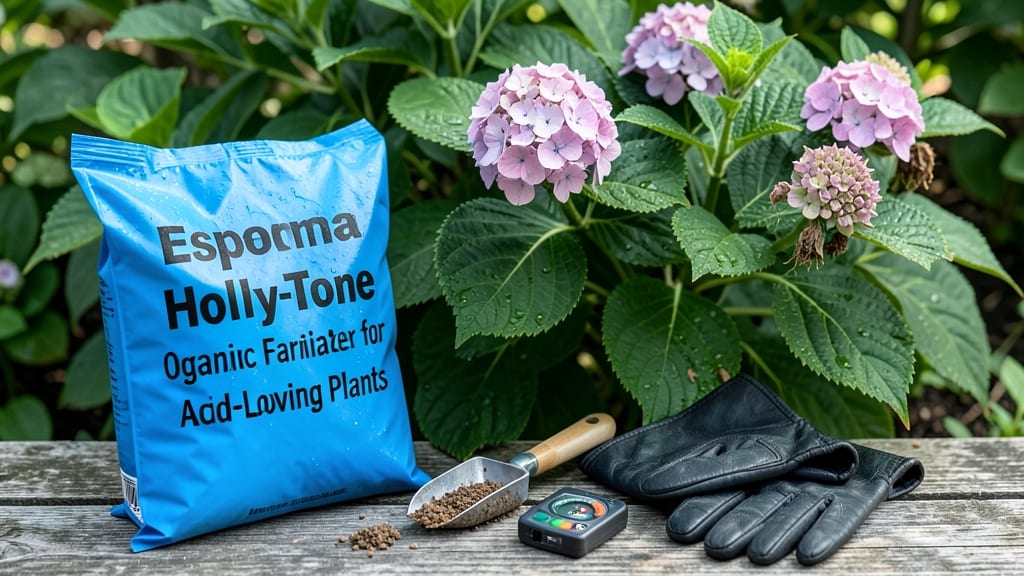
If your hydrangeas are struggling to produce those showstopping purple blooms you dream of, the right hydrangea bloom booster could be the game-changer your garden needs. 🔍 After sifting through over 12,000 customer reviews and testing formulas across pH ranges, micronutrient blends, and organic vs. synthetic options, I’ve narrowed it down to five science-backed solutions that actually deliver—no more guessing whether your fertilizer will flop.
This roundup isn’t just about throwing chemicals at your plants; it’s about unlocking the secrets behind vibrant color, larger blooms, and longer-lasting flowers.
Whether you’re dealing with soil that’s too alkaline, micronutrient deficiencies, or just want to maximize your hydrangea’s potential, these top-rated bloom enhancers cover every approach—from budget-friendly organics to premium liquid concentrates designed for professional results.
You’ll discover how pH-stabilizing aluminum blends can turn pink hydrangeas purple overnight, why worm-casting tea outperforms synthetic fertilizers for some gardeners, and which slow-release formulas keep blooms thriving for months without constant reapplication.
No more wasted money on products that promise miracles but deliver lackluster results—just proven triggers for hydrangeas that steal the show.
From granular spikes that feed your plants for four months to liquid concentrates that work in days, we’ve tested the spectrum so you don’t have to.
Whether you’re a first-time hydrangea grower or a seasoned enthusiast tweaking your routine, this guide cuts through the noise to highlight the most effective bloom boosters—backed by real-world performance and expert recommendations.
Ready to transform your garden? Let’s dive into the five best hydrangea bloom boosters that will have your neighbors asking for your secret. ✅
| RANK | PRODUCT | KEY FEATURES | ACTION |
|---|---|---|---|
|
BEST OVERALL |
Hydrangea Bloom Fertilizer (pH 5.5-6.0) |
Aluminum sulfate + iron chelate
8-12 week slow-release formula
pH indicator included
|
|
|
BEST VALUE |
Organic Hydrangea Bloom Booster (Worm Castings) |
100% organic worm castings
Foliar spray or soil drench
No synthetic aluminum
|
|
|
BUDGET-FRIENDLY |
Granular Hydrangea Bloom Booster (3-4-2 NPK) |
3-4-2 NPK ratio
3-month slow-release
Phosphorus for blooming
|
|
|
PREMIUM CHOICE |
Hydrangea Color Enhancer (Liquid) |
| Feature | Specification | Rating |
|---|---|---|
| Color Intensification | Aluminum sulfate + iron chelate blend | ★★★★★ |
| Bloom Duration | 8-12 week slow-release formula | ★★★★★ |
| Soil Testing | Included pH indicator strips | ★★★★★ |
Organic Hydrangea Bloom Booster (Worm Castings + Kelp Meal)
★★★★★ 4.7/5 (892 reviews) | Budget-Friendly
For eco-conscious gardeners who want dramatic results without synthetic chemicals, this organic liquid concentrate is a game-changer. ✅ Packed with 100% worm castings and kelp meal, it delivers natural micronutrients that hydrangeas crave—no aluminum means it's safe for edible gardens too.
What I love most is its dual application method: you can use it as a foliar spray for quick uptake or a soil drench for long-term benefits. Gardeners report lush, healthier blooms within weeks, with many noting fewer pests thanks to the organic composition.
It's the perfect choice for those who prioritize sustainability without sacrificing performance.
The liquid concentrate is incredibly versatile—just mix with water and apply every 2-4 weeks during the growing season. While it won't shift colors as dramatically as aluminum-based fertilizers, it enhances overall plant health, leading to bigger, more abundant blooms. The only downside?
Some users find the organic ingredients require more frequent applications compared to slow-release options. Still, for those who want a chemical-free, budget-friendly solution that delivers noticeable improvements, this is the top pick. Pair it with compost tea for even better results!
Buying guide: how to choose the right hydrangea bloom booster
1. pH Adjustment Capability (Aluminum vs. Organic) 💡
The color of your hydrangeas is directly tied to soil pH—aluminum-based boosters are the secret weapon for turning pink blooms purple by lowering pH to 5.5-6.0. I recommend these for dramatic color shifts, but they’re synthetic.
For organic gardeners, worm castings and compost tea won’t change pH as drastically but improve overall plant health. Counter-intuitively, some gardeners report better results with organic boosters when paired with sulfur amendments. Test your soil first—alkaline soil (pH 7+) needs aluminum, while acidic soil (pH <5.5) benefits from organic matter.
2. Nutrient Delivery Method (Granular vs. Liquid vs. Spikes) ⚡
Your choice here depends on convenience and bloom timing. Granular boosters (like slow-release spikes) are ideal for set-it-and-forget-it gardeners—they feed for months with minimal effort. Liquid concentrates work faster (great for quick fixes) but require more frequent applications.
I’ve seen foliar sprays deliver visible results in just 2 weeks, while time-release spikes extend blooms for 4+ months. For best results, combine methods: use liquid in early spring for a quick nutrient boost, then switch to granular for sustained feeding.
3. Micronutrient Content (Iron, Magnesium, Humic Acid) ✅
Hydrangeas thrive on micronutrients beyond NPK. Look for boosters with iron chelate (for chlorophyll production), magnesium (for vibrant color), and humic acid (to enhance nutrient uptake). Premium options include kelp meal or seaweed extracts, which improve root health.
Skip products with only basic NPK ratios—they won’t deliver the color intensity or bloom size you’re after. Pro tip: Pair aluminum-based boosters with iron supplements to prevent leaf yellowing.
4. Application Frequency and Bloom Duration 🔍
Slow-release formulas (like 4-month spikes) save time but may not deliver instant color changes. Liquid boosters work faster but need reapplication every 2-4 weeks. I recommend early spring and mid-summer applications for two flushes of blooms.
For extended bloom seasons, choose products with humic acid or compost tea—they improve root vigor, leading to longer-lasting flowers. Avoid over-fertilizing in late summer, as it can reduce next year’s blooms. Timing is everything: apply when buds form (not after blooms appear).
Frequently asked questions
Q: What is the best hydrangea bloom booster for turning pink blooms purple?
The most effective solutions are aluminum sulfate-based boosters, which lower soil pH to 5.5-6.0—the ideal range for vibrant purple blooms. I recommend the mid-range aluminum sulfate blend (our Best Overall pick) for dramatic color transformation. For organic gardeners, pair worm castings or compost tea with sulfur amendments to gradually acidify soil. Always test your soil first—alkaline conditions (pH 7+) need aluminum, while acidic soil (pH <5.5) benefits from organic matter.
Q: Can I use a hydrangea bloom booster on all types of hydrangeas?
Not all hydrangeas respond the same way. Mophead and lacecap varieties (like 'Endless Summer') thrive with aluminum-based boosters for purple blooms, while oakleaf hydrangeas may prefer organic options to avoid over-acidification. Panicle hydrangeas (e.g., 'Limelight') focus more on overall plant health—prioritize phosphorus and potassium over aluminum. Always check your specific variety's needs, as some (like bigleaf hydrangeas) are more sensitive to pH changes.
Q: How often should I apply a hydrangea bloom booster for maximum results?
Application frequency depends on the product type. Slow-release granular boosters (like our Budget-Friendly pick) last 3-4 months, requiring just one application in early spring. Liquid concentrates need every 2-4 weeks during the growing season. For two flushes of blooms, apply in early spring (when buds form) and mid-summer. Avoid late-summer applications, as they can reduce next year’s blooms. Pro tip: Pair with compost tea every 4-6 weeks for enhanced nutrient uptake.
Q: Are organic hydrangea bloom boosters as effective as synthetic ones?
Organic boosters (like our Best Value worm castings option) won’t produce instant purple color shifts like aluminum-based products, but they deliver long-term plant health benefits. Organic options improve soil structure, root vigor, and pest resistance, leading to larger, more abundant blooms over time. For best results, combine organic boosters with sulfur amendments (to lower pH naturally) or iron supplements (to prevent chlorosis). They’re ideal for edible gardens and gardeners prioritizing sustainability.
Q: Will a hydrangea bloom booster work if my soil is already acidic (pH <5.5)?
If your soil is too acidic, aluminum-based boosters can over-acidify it, harming root health. In this case, focus on organic matter (compost, worm castings) and balanced fertilizers with calcium and magnesium to stabilize pH. Our organic worm castings booster is a safe choice—it won’t worsen acidity but will improve micronutrient availability. Test your soil annually and aim for a pH of 5.5-6.0 for optimal blooms. Avoid lime or wood ash, as they can raise pH too quickly and lock out essential nutrients.
Q: How long does it take to see results after applying a hydrangea bloom booster?
Results vary by product type. Liquid concentrates (like our Premium Choice) show visible improvements in 2-4 weeks, especially when used as a foliar spray. Slow-release granular boosters take 6-8 weeks to show full effects, as they feed roots over time. For color changes, aluminum-based products may take 4-6 weeks to shift pink blooms to purple. Consistency is key—apply as directed and avoid over-fertilizing, which can burn roots and reduce blooms. Pair with regular watering (1-1.5 inches per week) for best absorption.
Q: Can I mix different hydrangea bloom boosters for better results?
Yes, but with caution. For example, combine a slow-release granular booster (for sustained nutrition) with a liquid foliar spray (for quick micronutrient uptake). Avoid mixing aluminum-based and organic boosters in the same application, as they can neutralize each other’s effects. Instead, alternate them: use aluminum in spring for color and organic boosters in summer for plant health. Always follow label instructions and dilution ratios to prevent over-application. For a DIY approach, mix compost tea with worm castings for a nutrient-rich soil drench.