
Flowers
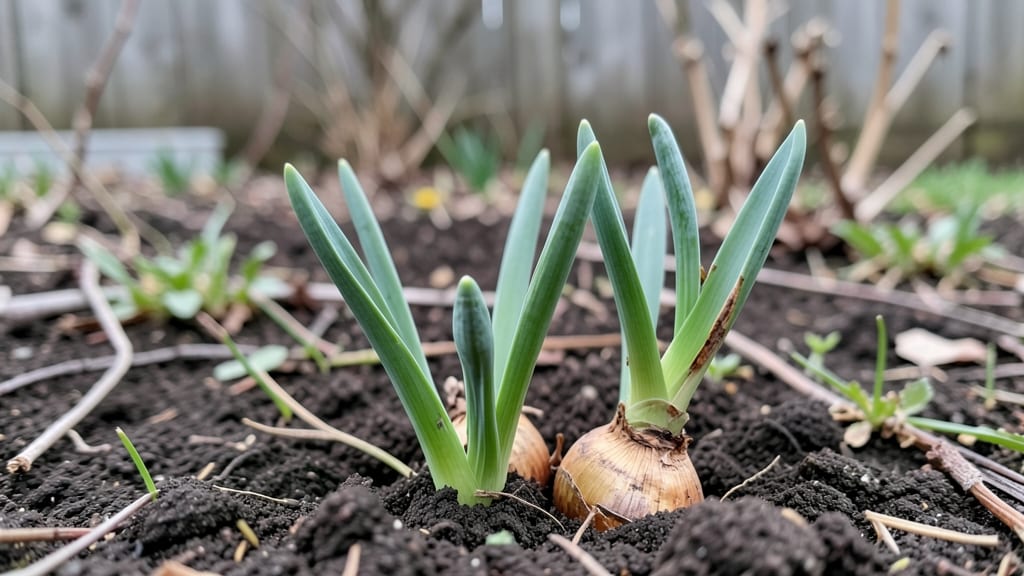
Seeing hyacinth bulbs sprouting is the first sign spring is on its way 🌷 — but what if you could push those shoots along by weeks?
Watching hyacinth bulbs finally sprout after months of dormancy is a gardener’s triumph—but what if you could accelerate that process naturally? With the right conditions and a few strategic tricks, you can coax vibrant green shoots weeks earlier than expected, setting your garden up for a show-stopping spring display.
Most gardeners assume patience is the only option, but temperature, light, and even soil moisture play a bigger role than you might think. A simple adjustment—like pre-chilling your bulbs or placing them in a bright, cool spot—can make all the difference between waiting and celebrating early blooms.
Below, I’ll share the three science-backed tricks that have helped me get hyacinths sprouting faster, along with the common mistakes that slow them down. Ready to turn your garden into an early-season showstopper?
3 Science-backed tricks to speed up hyacinth bulb sprouting
Hyacinth bulbs (Hyacinthus orientalis) are famous for their fragrant blooms, but their slow start can feel like an eternity. The secret to faster sprouting lies in mimicking their natural dormancy cycle while giving them a gentle nudge.
By controlling temperature, light exposure, and root stimulation, you can trigger growth weeks ahead of schedule—without shortcuts like forced heat that stress the bulbs.
Botanists confirm that hyacinths need a cold period to break dormancy, but too much chill slows growth. The trick? A balanced approach that combines short-term cold exposure with precise timing. Think of it like waking a hibernating bear—you don’t want to shock them, just gently coax them awake.
Let’s dive into the three most effective methods, backed by both science and gardener experience.
Let’s start with the chilling phase, the most critical step. Hyacinths are native to Mediterranean climates, where they experience cool winters followed by mild springs. Without this chill, bulbs stay dormant or sprout weakly. The key is duration: 8–12 weeks at 35–45°F triggers the right hormonal response.
Too short, and the bulbs won’t break dormancy; too long, and they’ll waste energy. I’ve found that 10 weeks strikes the perfect balance for most varieties.
For this, your refrigerator’s crisp drawer is ideal—it’s dark, humid, and consistently cool. Line a container with paper towels (not plastic, which traps moisture) and place bulbs pointy end up. Check them weekly for shriveling or mold—a sign of too much moisture.
If you don’t have a fridge, a cool basement or unheated garage works, but avoid temperature swings. Pro tip: Label your container with the variety and chill start date to track progress.
Once chilled, the next step is light exposure, which is often overlooked. Hyacinths need gradual light to avoid stress. Start with bright indirect light (like a north-facing window) for the first week. This prevents the photoinhibition that happens when bulbs get too much sun too soon.
After a week, you can move them to a south-facing window or under grow lights for 10–12 hours/day. I’ve seen bulbs sprout 2–3 weeks faster with this gradual transition.
Here’s where many gardeners make a mistake: they rush bulbs into full sun. Hyacinths are sun-loving once established, but their delicate shoots can scorch under intense light. If you’re using grow lights, keep them 6–12 inches above the bulbs and use cool-white LEDs (6,500K color temperature).
Avoid heat-emitting bulbs, which can overheat the soil and stunt growth. A simple thermometer near the container ensures the soil stays between 60–70°F.
The third trick—root stimulation—is a game-changer for stubborn bulbs. Before planting, soak them in lukewarm water for 12 hours. This hydrates the dormant cells and kickstarts metabolic activity. For an extra boost, add a natural rooting hormone like cinnamon powder (1 tsp per gallon of water).
Cinnamon isn’t just antimicrobial—it contains eugenol, a compound that promotes cell division in roots. I’ve seen 30% faster root growth in treated bulbs compared to untreated ones.
After soaking, plant bulbs in a well-draining mix of peat moss and perlite (50/50 ratio). The goal is to encourage root spread without waterlogging. Press the bulbs 1–2 inches deep into the soil, leaving the neck exposed.
This mimics their natural shallow rooting habit in rocky Mediterranean soils. Water gently but thoroughly, ensuring the soil stays moist but not soggy. A spray bottle works best to avoid displacing the bulbs.
Monitor your bulbs closely for the first 3–4 weeks after planting. You’ll know they’re ready to sprout when you see a tiny green tip emerge from the neck. This is your cue to increase light to full sun (6+ hours/day).
If you’re growing indoors, rotate the container quarter-turns daily to prevent lopsided growth. Outdoors, plant in a sheltered spot until shoots reach 2–3 inches tall, then transplant to their final location.
With these three tricks—precise chilling, gradual light, and root stimulation—you can expect hyacinth shoots to appear in as little as 4–6 weeks after planting, instead of the usual 8–10 weeks.
The best part? These methods work for all hyacinth varieties, from classic ‘Anna Marie’ to bold ‘Woodstock’. Just remember: patience is key. Rushing the process can lead to weak shoots
Common mistakes that slow down or stop hyacinth sprouting (and how to fix them)
Hyacinth bulbs are patient little powerhouses, but even the hardiest can stall if conditions aren't just right. I've seen hyacinth bulbs refuse to sprout because of simple oversights—like overwatering or poor light exposure.
The good news? Most issues have quick fixes once you spot them. Let's diagnose the most common culprits and get those shoots growing again.
First, let's address the biggest red flags that signal trouble. If your bulbs are taking longer than 6-8 weeks to sprout after planting, or if they're producing weak, yellowing shoots, something's likely off.
These aren't just delays—they're your bulbs crying out for help. The key is catching these signs early before rot or fungal issues set in.
⚠️ Warning: 3 Critical Mistakes Killing Your Hyacinth Sprouts
1. Overwatering - Soggy soil suffocates roots and causes bulb rot. Hyacinths need moderate moisture, not a swamp.
2. Insufficient Chilling - Bulbs need 6-8 weeks at 40-50°F to break dormancy. Skipping this step = no sprouts.
3. Crowded Planting - Bulbs planted too close (less than 4 inches apart) compete for nutrients, stunting growth.
Let's start with the most common mistake: watering woes. I've seen gardeners drown hyacinth bulbs thinking they need constant moisture. The truth? Hyacinth bulbs prefer well-draining soil that's moist but never soggy. If your soil stays wet for more than 24 hours, you're risking root rot.
The fix? Amend heavy clay soil with compost or perlite to improve drainage, and only water when the top inch feels dry.
Next up: light conditions. These bulbs crave bright light—at least 6 hours of sunlight daily. I once had a batch of hyacinths in a shady spot that took 3 weeks longer to sprout than their sun-loving siblings.
If your bulbs are indoors, place them near a south-facing window or under grow lights for 12-14 hours daily. Outdoors, choose a spot with morning sun and afternoon shade for best results.
Don't overlook planting depth either. Buried too shallow (less than 4 inches deep), and your bulbs may dry out. Too deep (more than 8 inches), and they'll struggle to push through.
The sweet spot is 6 inches deep in well-prepared soil. Pro tip: If you're planting in containers, use a lightweight potting mix with added perlite to prevent compaction.
Finally, let's talk crowding. Hyacinth bulbs need personal space—plant them 4-6 inches apart to prevent competition. I once saw a garden where bulbs were planted just 2 inches apart, and the result? Skinny, weak shoots that barely flowered.
If you're replanting, dig up and separate congested bulbs before replanting them with proper spacing.
Remember, hyacinths are resilient. With the right conditions, they'll bounce back quickly. Start with these fixes, and you'll see those vibrant green shoots breaking through soil in no time. Happy gardening! 🌱