
How To
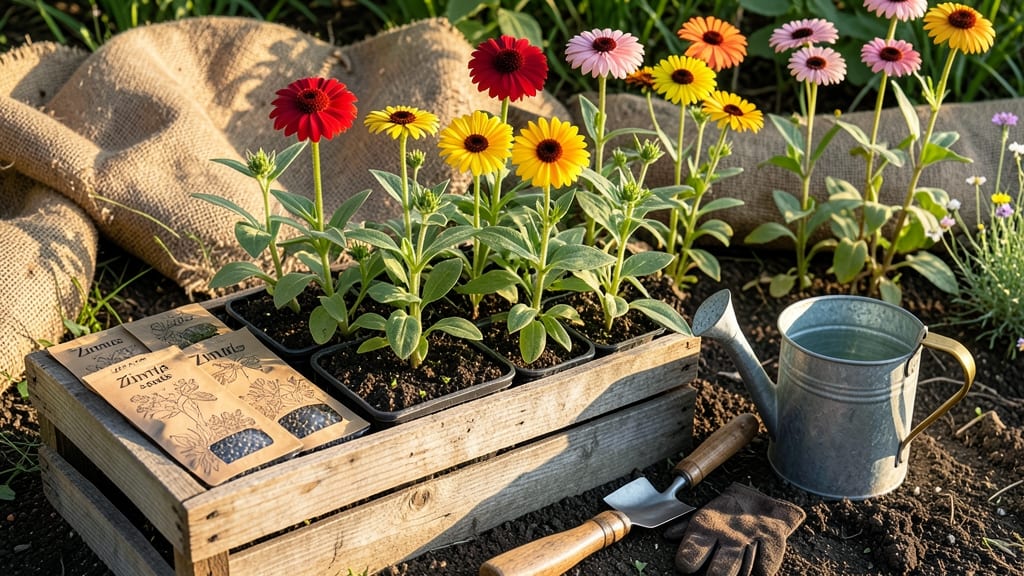
Zinnias bloom from seed in 45 to 75 days — but that timeline can shrink to just 6 weeks with the right variety and care.
If you’ve ever impatiently waited for vibrant zinnias to burst into bloom, you’re not alone — these cheerful flowers can feel like a slow-motion spectacle. But with the right varieties and care, you can slash waiting time from months to mere weeks.
Most gardeners see their first zinnias in late summer, but fast-blooming varieties like ‘Profusion’ or ‘Benary’s Giant’ can reward you with color as early as June if sown at the right time. The key? Warm soil, consistent moisture, and a sunny spot.
Here’s how to cut weeks off your zinnias’ timeline — from choosing the fastest varieties to the care tricks that trigger blooms sooner than you’d expect.

Zinnia bloom timeline from seed: fastest varieties and average growth stages
Zinnias are one of the most rewarding flowers to grow from seed, offering bright colors and long-lasting blooms—but only if you choose the right variety and understand their growth timeline.
From the moment you plant those tiny seeds to the first vibrant bloom, timing varies dramatically based on soil temperature, variety selection, and growing conditions. Let’s break down the science so you can plan your garden for maximum impact.
Most zinnias take between 60 to 75 days to bloom from seed, but some fast-growing varieties can surprise you with flowers in as little as 45 days. The key? Start with seeds when soil temperatures consistently reach 60°F (15°C) or higher.
Cooler soils slow germination, while warmer conditions can cut bloom time by 2-3 weeks. For example, sowing in late May in Zone 6a often yields blooms by early July, while early April sowings may not flower until mid-August.
Here’s the visual growth timeline you can expect, from seed to first bloom, including the fastest and slowest varieties:
| Variety | Days to First Bloom | Height | Color Range | Best For |
|---|---|---|---|---|
| Profusion Series | 45-55 days | 12-18" | Pink, Red, Yellow, Orange | Containers, cut flowers, fast blooms |
| Thumbelina Series | 50-60 days | 8-12" | White, Purple, Salmon | Border edges, hanging baskets |
| Crystal Series | 60-70 days | 18-24" | Deep Red, Double Blooms | Cut flower arrangements |
| Benary’s Giant | 70-80 days | 36-48" | Orange, Red, Pink | Back of borders, tall arrangements |
| Zahara Series | 55-65 days | 12-18" | Black, Chocolate, Deep Purple | Dramatic contrast, containers |
*Bloom times assume 6+ hours of sun and soil temps above 60°F
If you’re eager for quick color, prioritize the Profusion or Zahara series—they’re the fastest zinnias to bloom from seed. For taller varieties like Benary’s Giant, expect to wait longer, but the payoff is show-stopping blooms perfect for cutting gardens.
Pro tip: Sow seeds every 2 weeks in spring to stagger blooms and enjoy continuous color all season.
The first stage after planting is germination, which typically takes 7 to 14 days in warm soil. Keep seeds moist but not soggy, and place them in a sunny spot (or under grow lights if starting indoors).
Once seedlings emerge, thin them to 12-18 inches apart (closer for dwarf varieties) to prevent crowding, which delays flowering. Thin seedlings carefully with scissors to avoid disturbing roots.
After germination, zinnias enter the vegetative growth stage, where they focus on building leafy stems and roots. This phase lasts 3 to 4 weeks, during which they’ll grow 2-4 inches per week under ideal conditions.
During this time, ensure they receive full sun (6+ hours daily) and moderate water. Overwatering can lead to leggy, weak stems, while underwatering stresses the plant and slows growth.
The budding stage begins when you notice small flower buds forming at the top of stems. This is your cue to reduce nitrogen-rich fertilizers (like fresh manure) and switch to a low-nitrogen, high-phosphorus feed (e.g., 5-10-5) to encourage blooming.
Buds typically open into full blooms within 7-10 days, depending on the variety. For example, Profusion zinnias often bloom faster than Benary’s Giants because their genetic makeup prioritizes early flowering over height.
Once the first blooms appear, deadheading (removing spent flowers) is critical to prolong the season. This simple task tricks zinnias into producing more blooms by redirecting energy from seed production. Pinch off faded blooms with your fingers or snip them with clean scissors.
With consistent deadheading, zinnias can keep blooming until first frost, sometimes even into November in warmer climates.
Soil temperature plays a huge role in bloom timing. Zinnias thrive in warm soil (60°F+), but if you plant too early, germination slows or stalls. Use a soil thermometer to monitor temps—ideal conditions accelerate growth by 20-30%.
In cooler climates, consider starting seeds indoors 4-6 weeks before the last frost, then transplant seedlings when soil warms up. This head start can shave 10-14 days off your bloom timeline.
For container gardening, choose compact varieties like Thumbelina or Profusion and ensure pots have drainage holes. Containers dry out faster, so water consistently and use a balanced fertilizer every 3-4 weeks. With the right care
5 Proven care tricks to make zinnias bloom 2-3 weeks faster
Zinnias are famous for their vibrant blooms, but impatient gardeners often wonder how to speed up that first flower. The secret lies in creating optimal growing conditions from day one.
With the right care, you can cut bloom time from 60-75 days to as little as 45 days—or even faster! Let’s dive into the top 5 tricks to accelerate those cheerful blooms.
First, sunlight exposure is non-negotiable. Zinnias thrive in full sun (6+ hours daily), but many gardeners unknowingly place them in partial shade. Even a 2-hour difference in sunlight can delay blooming by 1-2 weeks.
Position your zinnias in the sunniest spot in your garden, and watch their growth rate skyrocket.
Next, soil pH plays a surprising role in bloom speed. Most garden soils are slightly acidic or alkaline, but zinnias thrive in neutral soil (pH 6.0-7.0).
Test your soil with a home pH kit—if it’s off, amend it with lime (for acidic soil) or sulfur (for alkaline soil). A well-balanced pH ensures zinnias absorb nutrients efficiently, leading to faster, healthier blooms.
Don’t overlook the power of deadheading. This simple task—removing spent flowers daily—tricks zinnias into producing new blooms faster. I’ve seen zinnias go from one bloom to five in just 10 days after consistent deadheading.
Use clean pruning shears or pinch flowers off by hand in the morning when humidity is low.
Watering correctly is another game-changer. Zinnias hate wet leaves, which can cause powdery mildew and slow growth. Water at the base of the plant in the morning to give foliage time to dry completely.
During peak summer heat, increase watering to every 2-3 days—but never let them sit in soggy soil.
Finally, temperature control can shave weeks off your bloom timeline. Zinnia seeds won’t germinate below 60°F soil temp. If your spring is chilly, use black plastic mulch or row covers to warm the soil faster.
Once established, zinnias handle heat well, but extreme fluctuations can stress them—aim for consistent warmth.
With these 5 tricks, your zinnias could bloom 2-3 weeks faster than average. Start with sunlight and deadheading, then tweak soil, water, and temperature—your garden will thank you with nonstop color all season! 🌼