
Blooming
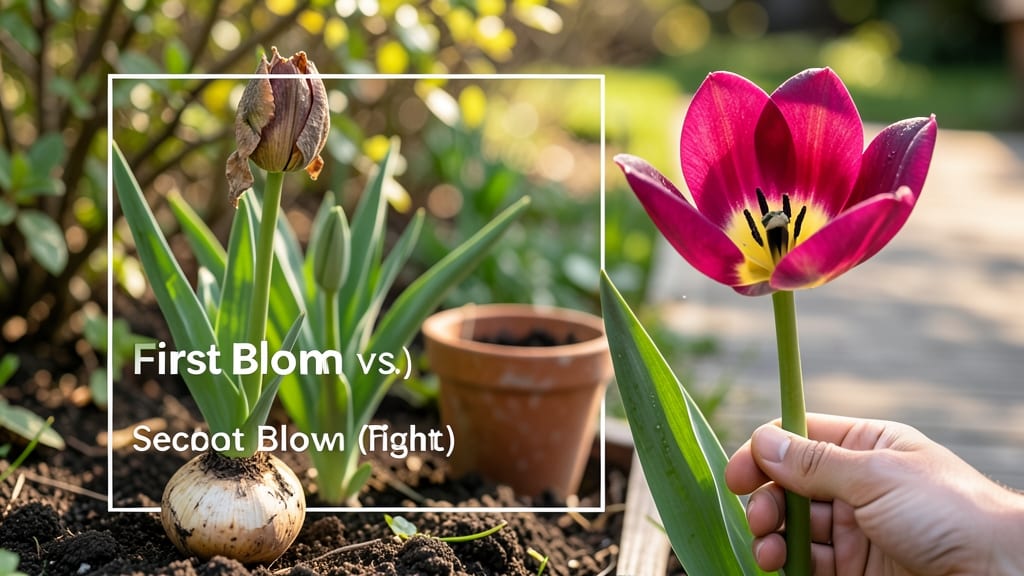
Tulips can bloom twice in one season only if you plant reblooming varieties, which need careful aftercare like removing spent flowers, regular watering, and balanced fertilizer applications after the first bloom. Standard tulips typically produce just one flush of flowers annually.
Most gardeners know tulips for their spectacular spring display, but did you know some varieties can repeat the performance later in the season? 🌷 The secret lies in their genetic makeup—reblooming tulips store extra energy in their bulbs, allowing them to produce a second set of buds if given the right conditions.
Unlike traditional tulips that focus all their energy on one grand bloom, these special cultivars can push out new flowers in late summer or early fall with proper care.
To coax a second bloom, start by choosing the right varieties like 'Double Late' or 'Parrot tulips,' known for their ability to rebloom. After the first flowers fade, deadhead them promptly to redirect energy toward bulb recovery.
Consistent watering and a balanced fertilizer (like 10-10-10) applied after the initial bloom can make all the difference. I've seen stunning second blooms in my own garden when I follow this routine—it's like getting a bonus show for free!
💡 In This Article
- Why Most Tulips Bloom Only Once Per Year
- How to Encourage Reblooming in Tulip Varieties
Why most tulips bloom only once per year
Tulips follow a strict biological cycle where their bulbs store energy as starch during the growing season. This stored energy fuels just one spectacular bloom in spring, after which the bulb enters dormancy.
The process begins in late summer when tulip bulbs start forming flower buds underground—a phase called vernalization—which requires exposure to cold temperatures (40-50°F) for 12-16 weeks. Once triggered, the bulb prioritizes producing a single, showy flower above all else, depleting its reserves.
The key mechanism is photoperiodism, where tulips respond to daylight length. In early spring, increasing daylight signals the bulb to push energy toward flower development. After blooming, the bulb shifts focus to rebuilding its starch reserves for next year's growth.
Traditional varieties like 'Darwin Hybrid' or 'Fosteriana' follow this pattern precisely, with no energy left for additional blooms. 🌱 What sets reblooming varieties apart is their ability to store 20-30% more starch in their bulbs, creating a surplus that can fuel a second bloom cycle.
This single-bloom cycle isn't just about energy—it's also about survival strategy. Tulips evolved to produce one dramatic display to attract pollinators during their brief spring window, then conserve resources for winter. The bulb's priority system explains why forcing a second bloom often weakens the plant.
Without proper care, reblooming varieties may produce smaller, less vibrant flowers the second time around—a trade-off between quantity and quality.
Daylight exposure plays a surprising role too. Tulips need 12-14 hours of daylight to trigger blooming. After the first flush, many gardeners don't realize their tulips are still sensitive to light cycles.
Reblooming varieties can respond to the longer daylight of late summer if given the right conditions, but this requires careful management of nutrients and water to prevent bulb exhaustion.
Consider this comparison: A traditional tulip bulb might store 50-70 grams of starch after its first bloom, while reblooming varieties can reach 90-120 grams with optimal care. This extra reserve is what makes the difference between a single spectacular show and a two-act performance.
The science shows that without this starch surplus, even the most carefully tended tulip can't produce a second bloom.