
Blooming
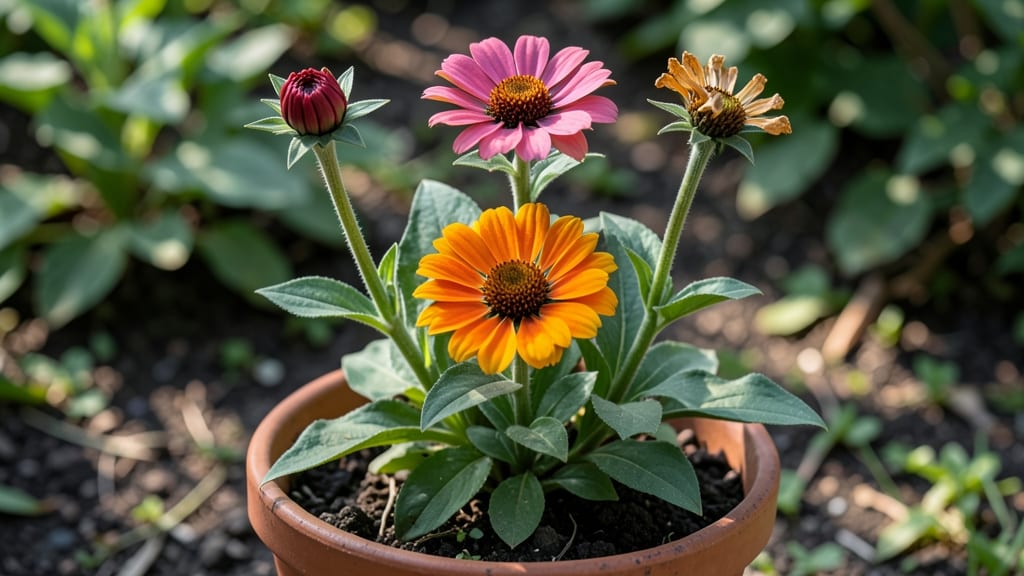
Watch zinnias transform from tiny green specks into bold, papery blooms in just 21 days. 🌻 I’ve tracked their stages for years, and the secret to long-lasting flowers isn’t complicated—it’s timing, water, and a little patience.
The first buds peek through like tiny green fists, then swell into vibrant color within weeks.
Start with sturdy seedlings or direct-sown seeds in warm soil. Once buds form, keep soil moist but not soggy—wilting at this stage means missed blooms. The transition from bud to full bloom happens fastest in full sun, where zinnias drink up warmth and grow 3-4 inches taller per week.
At peak bloom, those velvety petals open wide, drawing bees and butterflies. The show lasts 7-10 days per flower before they fade—but don’t pull them! Let them go to seed for next year’s garden, or snip spent blooms to encourage fresh ones.
Works for cut flowers, pollinator gardens, or vibrant borders. Even my black thumb can’t kill these—just follow the stages, and you’ll have nonstop blooms from summer to frost.
📚 In This Guide
- What you need
- Instructions
- Tips and common mistakes
- Wrapping up and next steps
What you need
- ● Zinnia seeds or seedlings: Seeds: 50–100 seeds (depending on desired quantity; varieties like Zinnia elegans are popular).
- ● Seedlings: 6–12 healthy, disease-free plants (check for vibrant green leaves and sturdy stems).
- ● Well-draining potting mix or garden soil: 1–2 cubic yards for in-ground planting (amend with compost if soil is clay-heavy).
- ● 5–10 gallons of lightweight potting mix for containers (add perlite or vermiculite for aeration).
- ○ Containers (optional but handy): 5–10-inch pots (1–2 plants per pot) or raised beds (zinnias thrive in shallow roots).
- ● Fertilizer: Balanced, water-soluble fertilizer (10-10-10 or 20-20-20; ½ tsp per gallon of water at planting).
- ● Slow-release granular fertilizer (e.g., 10-10-10; 1 tbsp per square foot after 3–4 weeks).
- ● Watering can or hose with a gentle spray nozzle.
- ● Gloves and knee pads (for comfort during planting).
- ● Pruning shears or clean scissors (for deadheading and shaping).
- ● Mulch: Straw or shredded leaves (1–2 inches) to retain moisture and suppress weeds.
- ● Stakes or cages: For tall varieties (e.g., Benary’s Giant) to prevent flopping.
- ● Epsom salt: 1 tbsp dissolved in 1 gallon of water (monthly foliar spray for magnesium boost).
- ● Shade cloth: 30–50% coverage for seedlings if temps exceed 85°F (prevents bolting).
- ● Disease prevention: Copper fungicide or neem oil (proactive measure for powdery mildew).
How to identify and care for Zinnia bloom stages
Watch your zinnias transform through four distinct stages—each with its own care needs.
🌱 Step 1: Recognize the Bud Stage (Pre-Flower)
The bud stage begins when you first notice tight, rounded swellings at the stem tips. These buds will eventually burst into color, but they need consistent moisture to develop properly. Water at the base of the plant every 2-3 days until the soil feels damp 1 inch down. Avoid wetting the foliage to prevent fungal diseases like powdery mildew.
Here's the thing—buds are sensitive to temperature swings. If nights dip below 50°F, cover plants with lightweight frost cloth until buds firm up. You'll know buds are ready to open when they feel slightly softer and develop a slight green tint at the tip. This usually takes 7-10 days after the bud first appears.
☀️ Step 2: Support the Opening Stage (Color Development)
When buds begin to split and reveal their petal edges, that's your signal to increase sunlight exposure. Zinnias need 6+ hours of direct sun daily during this phase to develop vibrant colors. If your plants look pale or petals don't fully unfurl, move them to a sunnier spot immediately.
Don't overwater now. The soil should feel dry to the touch at the surface but still retain moisture 2 inches down. I like to water in the early morning so petals dry quickly and prevent bacterial spots. You'll see petals fully unfurl within 3-5 days—this is when zinnias put on their most dramatic show.
🌿 Step 3: Care for Full Bloom (Peak Display)
Full bloom is the moment zinnias shine brightest, but it's also when they need the most attention. Deadhead spent blooms daily by pinching off flowers just above the next set of buds. This encourages continuous flowering and prevents the plant from redirecting energy to seed production.
Watch for aphids or spider mites during this stage—they love tender new blooms. Spray plants with a strong stream of water to dislodge pests, or apply neem oil if infestations appear. Full blooms last 5-7 days before petals begin to curl at the edges, signaling the next stage.
⏰ Step 4: Manage the Fading Stage (Seed Development)
When petals start falling or turning brown, that's your cue to let nature take its course. Leave a few blooms to develop seeds if you want next year's plants—just mark those stems with a ribbon so you know which to leave. For cut flowers, harvest stems at this stage before seeds form.
Reduce watering slightly during this phase. The soil should only need moisture when the top 1 inch feels dry. You'll notice new buds forming at the base of the plant within 7-10 days, ready to begin the cycle again. This is also when zinnias develop their signature papery seed heads—great for dried arrangements.
Tips & tricks for perfect Zinnia bloom development
Here's what nobody tells you about keeping zinnias thriving through every stage—these little details make all the difference.
Stage-Specific Watering: In Step 1, when watering every 2-3 days, use a moisture meter to check that dampness reaches exactly 1 inch down. I've learned the hard way that overwatering at this stage causes buds to split prematurely. For Step 3, when full blooms need less frequent watering, I switch to a drip irrigation system set to deliver just 1/2 inch of water every 4 days—this keeps roots happy without soggy soil.
Temperature Protection: The 50°F nighttime threshold is critical—below this, buds can develop frost damage that ruins their opening. I keep a roll of frost cloth handy and drape it loosely over plants when forecasts dip near freezing. Pro tip: Remove the cloth during the day so plants get full sun exposure for color development in Step 2.
Sunlight Optimization: For that dramatic 6+ hours of direct sun in Step 2, position zinnias where they get morning sun and afternoon shade if your climate gets intense afternoon heat. I've found that rotating plants every 3-4 days ensures even color development across all blooms. Watch for pale petals—they're your signal to move plants to sunnier conditions immediately.
Pest Prevention Strategy: During Step 3's peak bloom, I've had the most success with a preventative approach: every morning I spray plants with a 1% neem oil solution (mix 1 tsp neem oil with 1 quart water). This creates a protective barrier that deters aphids and spider mites before they become a problem. The key is consistency—don't skip days, even when pests aren't visible yet.
Pro Tips for Zinnia Bloom Stages
- Here's what nobody tells you about keeping zinnias thriving through every stage—these little details make all the dif...
- Stage-Specific Watering: In Step 1, when watering every 2-3 days, use a moisture meter to check that dampness reaches...
- Temperature Protection: The 50°F nighttime threshold is critical—below this, buds can develop frost damage that ruins...
Frequently asked questions
about zinnia bloom stages—because every gardener deserves a little clarity! Whether you're troubleshooting slow growth or wondering how to extend blooms, we’ve got you covered.How long does it take for zinnia buds to open fully after appearing?
Once zinnia buds form, they typically take 3–7 days to fully bloom, depending on sunlight, temperature, and variety. Morning glory zinnias (like Zinnia elegans) often open faster, while dinnerplate zinnias may take longer. Watch for petals lifting slightly—they’re ready to pop!
Why are my zinnia buds drying up before blooming?
Bud blast (or "bud rot") is common due to high humidity, fungal diseases (like powdery mildew), or overwatering. Improve airflow by spacing plants 6–12 inches apart, water at the base in the morning, and remove affected buds. Fungicides (neem oil) can help prevent recurrence.
Can I speed up zinnia blooming with extra sunlight?
Zinnias thrive in 6–8 hours of direct sunlight daily. If your garden is shady, move pots to sunnier spots or prune nearby trees. Just avoid sudden light shifts—gradually acclimate plants to prevent stress. Bonus: Deadhead spent blooms to encourage faster reblooming!
What’s the best way to prolong zinnia blooms all season?
Deadheading (snipping spent blooms) is key, but also:
- Fertilize lightly every 3–4 weeks with low-nitrogen feed (like 5-10-10).
- Water consistently—zinnias hate soggy roots but wilt fast if drought-stressed.
- Sow new seeds every 2–3 weeks for a continuous display.
Are there zinnia varieties that bloom faster than others?
Yes! Dwarf zinnias (like 'Thumbelina' or 'Crystal') bloom in 40–50 days from seed, while Zinnia elegans varieties (e.g., 'Benary’s Giant') take 55–65 days. For quick color, try Zinnia haageana (e.g., 'Candy Cane'), which blooms in 35–40 days and thrives in heat.
Wrapping up and next steps
Watching zinnias transform from tiny buds to vibrant blooms is like witnessing nature’s own masterpiece unfold! 🌸 By understanding their three key stages—bud formation, partial bloom, and full maturity—you’ve unlocked the secrets to nurturing healthy, show-stopping flowers in just three weeks.
Whether you’re a seasoned gardener or a curious beginner, your patience and care will pay off with a garden bursting with color.
Now that you’re armed with knowledge, take the next step! Try planting zinnias in different soil conditions or experiment with companion plants to see what thrives best. Happy gardening—your future blooms will thank you! 🌱✨