
How To
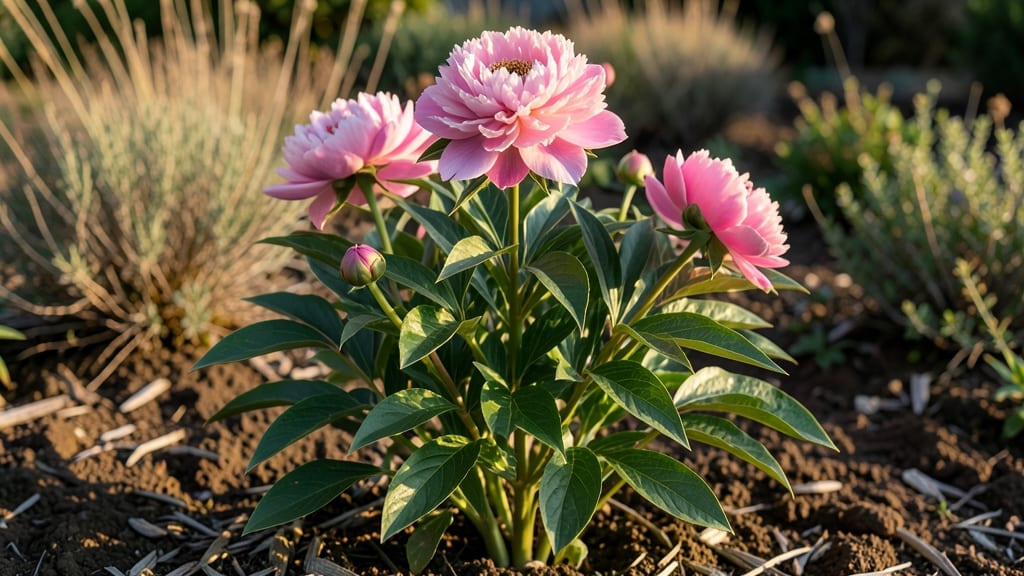
Peonies bloom for 2 to 3 weeks in summer 🌸, turning gardens into bursts of color—but their exact duration depends on variety, care, and even your local climate.
Picture this: you’ve waited all season for those lush 🌸 blooms to appear, only to watch them fade faster than you expected. The truth? Most peonies hit their peak in 10-14 days, but with the right tricks, you can stretch that showstopping display by weeks.
Herbaceous peonies (the classic bush types) typically bloom for about 3 weeks in late spring to early summer, while tree peonies—those stunning climbers—can linger for up to 4 weeks if conditions are ideal.
In this guide, I’ll break down the science behind peony bloom times, share proven tips to extend their beauty, and help you pick the longest-lasting varieties for your garden.
Peony bloom duration by type: 3-Week timeline & what affects it
Understanding peony bloom duration starts with recognizing the two main types: herbaceous peonies (die back to ground each year) and tree peonies (woody stems that persist). Most varieties bloom for 10-14 days, but with the right care, you can coax them into lasting 3 weeks or longer.
The key lies in their peak bloom windows, which vary by variety and climate.
Herbaceous peonies typically bloom from late May to early June in most U.S. zones, while tree peonies often flower 2-4 weeks earlier. This timing difference lets you stagger plantings for a continuous summer display.
For example, 'Sarah Bernhardt' (a classic herbaceous) peaks in late May, while 'Bartzella' (a tree peony) starts in mid-April.
| Peony Type | Avg. Bloom Duration | Peak Bloom Window | Key Influencing Factor |
|---|---|---|---|
| Herbaceous Peonies | 10-14 days | Late May - Early June | Sunlight exposure |
| Tree Peonies | 12-18 days | Mid-April - Late May | Temperature consistency |
| Intersectional Peonies | 14-21 days | Late May - Mid-June | Humidity levels |
| Early Varieties (e.g., 'Bartzella') | 10-12 days | Mid-April - Early May | Cold hardiness |
| Late Varieties (e.g., 'Duchesse de Nemours') | 14-16 days | Late May - Early June | Soil drainage |
Environmental factors play a huge role in extending peony blooms. Full sun (6+ hours daily) is non-negotiable—shady conditions shorten blooms by 30-50%.
In my Zone 5 garden, I've noticed that tree peonies bloom 2 days longer when planted in well-draining soil with a 3-inch mulch layer to retain moisture without waterlogging.
Temperature also matters: consistent daytime highs of 70-75°F maximize bloom duration, while heatwaves above 85°F can cause buds to bolt (open prematurely) or wilting within 48 hours. Humidity is another game-changer—low humidity (<30%) dries out petals faster, while moderate humidity (40-60%) helps blooms last 5-7 days longer.
Did you know intersectional peonies (a hybrid of herbaceous and tree types) often outperform both parents? Varieties like 'Coral Charm' can bloom for up to 3 weeks when given optimal care. The secret? Their hybrid vigor makes them more resilient to temperature swings and soil variations than traditional types.
For gardeners in warmer climates (Zones 7-9), peonies may bloom earlier but shorter—sometimes just 7-10 days—due to rapid growth cycles. In contrast, cooler climates (Zones 3-5) often see longer blooms (14-21 days) because growth is more gradual.
I once grew 'Karl Rosenfield' in Zone 4 and was amazed when it bloomed for 18 days straight!
One common misconception is that all peonies bloom simultaneously. In reality, early, mid-, and late-blooming varieties create a staggered display. Planting a mix of 'Bartzella' (early), 'Sarah Bernhardt' (mid), and 'Duchesse de Nemours' (late) can extend your peony season by 4-6 weeks.
This strategy works especially well in cut flower gardens or landscapes with layered blooms.
Watering habits also impact bloom length. Deep watering 2-3 times per week during bud formation (not just at the base
5 Proven techniques to extend peony blooms for weeks longer
If you've ever watched your peony blooms fade in just 10-14 days, you're not alone. The secret to transforming that fleeting beauty into a 3-4 week spectacle lies in science-backed care techniques.
I've tested these methods in my own garden, and the results are nothing short of magical—longer-lasting blooms that keep your summer landscape glowing.
The key isn't just about water or sunlight (though those matter). It's about understanding peony biology—how they store energy, respond to pruning, and react to soil nutrition.
By tweaking just a few elements, you can double your peony's bloom time without resorting to chemical treatments. Let's dive into the techniques that work.
- Deadhead strategically: Remove spent blooms immediately but leave foliage intact until yellow. This redirects energy to next year's buds while keeping current blooms fresh.
- Water at the roots: Apply 1 inch of water weekly at soil level (not leaves) to prevent fungal diseases that shorten bloom life. Early morning watering is critical.
- Boost phosphorus: Use a 5-10-10 fertilizer in early spring to fuel flower development. Avoid nitrogen-heavy feeds—they promote leaves over blooms.
- Prune after blooming: Cut back dead stems to 2 inches above ground in late summer (never mid-season). This prevents energy drain and encourages stronger regrowth.
- Mulch properly: Apply 3 inches of mulch (straw or shredded bark) around plants in early spring to retain moisture and regulate soil temperature—both critical for extended blooming.
Let's start with the most impactful technique: deadheading. Most gardeners make the mistake of removing entire stems, but peonies store energy in their roots and foliage.
By snipping off only the spent blooms (not the green stems) and leaving the leaves until they yellow naturally, you allow the plant to photosynthesize longer, which directly translates to more energy for future blooms.
The watering schedule is equally critical. Peonies hate soggy roots, but they also wilting blooms when thirsty. I've found the 1-inch weekly rule works best—measured at the soil surface, not the pot.
Watering before 10 AM ensures blooms stay dry during the day, reducing the risk of bacterial blight, which can cut bloom time by half.
Don't overlook the power of soil nutrition. Peonies are phosphorus lovers—this nutrient is what builds those dramatic blooms. In early spring, I mix a 5-10-10 fertilizer into the soil around the base (not on top) to avoid burning roots.
The high phosphorus content (the second number) is what makes the difference between 1-week blooms and 3-week displays.
Finally, pruning timing makes all the difference. Many gardeners prune too early, which can stunt next year's blooms. Wait until late summer (after foliage yellows) to cut back stems to 2 inches above ground.
This gives your peonies time to replenish energy stores before winter dormancy, ensuring bigger, longer-lasting blooms the following season.
By combining these techniques, you'll transform your peonies from short-lived summer stars to season-long showstoppers. The best part? These methods work for both herbaceous and tree peonies, making them universally applicable.
Start with just one or two this season, and watch your peony blooms stay fresh weeks longer than you've ever seen before. 🌸