
Blooming
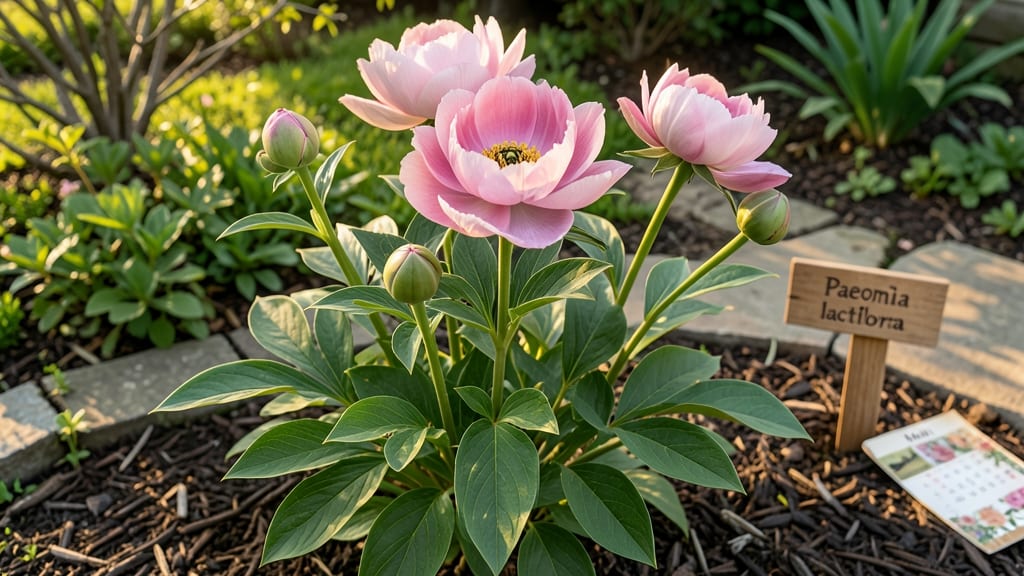
Peonies do only bloom once a year in most varieties, with their spectacular flowers appearing in late spring to early summer. However, some reblooming types may produce a second, lighter flush of blooms in fall when given optimal growing conditions.
This annual blooming pattern is hardwired into peonies' biology, driven by their need to store energy in roots during winter. 🌸 The first flush of blooms in spring exhausts their reserves, leaving little energy for additional flowering unless the plant receives perfect care—think full sun, well-draining soil, and balanced nutrients.
Reblooming varieties like 'Sarah Bernhardt' or 'Bowl of Beauty' push their limits by producing a second bloom, but even these typically produce smaller, less vibrant flowers compared to their spring display.
What's fascinating is how peonies "decide" when to bloom. These plants use a combination of daylight hours (photoperiod) and temperature cues to trigger flower buds.
Once they've spent their energy blooming, they enter a rest period—similar to how some trees focus all their resources on one spectacular flowering event each year. This biological strategy explains why even well-cared-for peonies often produce just one main bloom cycle annually.
💡 In This Article
- Peony Bloom Cycle: Why Most Varieties Flower Once
- How to Maximize Annual Peony Blooms with Gardening Tips
Peony bloom cycle: why most varieties flower once
The single annual bloom of peonies stems from their deep-rooted biological strategy for survival. These perennials store energy in thick, fleshy roots during winter, building up starch reserves that fuel their spectacular spring display.
When buds form in late winter, they require a massive energy investment—up to 70% of the plant's annual resources—which explains why most varieties produce just one flush of blooms.
This is similar to how some trees focus all their energy on a single flowering event each year, ensuring a dramatic but finite display.
The timing of this bloom is controlled by two key factors: photoperiod sensitivity (daylight hours) and temperature cues. Peonies need 12-14 hours of daylight combined with soil temperatures above 50°F (10°C) to trigger florigen production—the hormone that signals flower development.
Once blooming begins, the plant's energy reserves deplete quickly, leaving little left for additional flowering cycles. Reblooming varieties like 'Sarah Bernhardt' have slightly different genetics that allow them to produce a second, smaller bloom in fall, but this requires optimal growing conditions and careful management.
Climate plays a crucial role in peony blooming windows. In cooler regions, peonies often bloom in late May to early June, while warmer climates may see flowers as early as April.
The length of daylight and temperature fluctuations during winter also influence bloom timing—plants need sufficient cold exposure (40-50°F / 4-10°C for 6-8 weeks) to break dormancy properly. Without this chilling period, buds may fail to develop entirely, resulting in sparse or no flowering.
What sets peonies apart from other perennials is their root-based energy storage system. Unlike many plants that rely on foliage for photosynthesis, peonies store energy underground, which means their above-ground growth is secondary to flower production.
This biological focus explains why even well-fed peonies may produce just one main bloom cycle annually—all their resources are prioritized toward creating that one spectacular display rather than spreading energy across multiple blooms.
Consider this comparison: Single-bloom varieties like 'Bowl of Beauty' produce 3-5 large, vibrant flowers per stem, while rebloomers like 'Duchesse de Nemours' may produce 2-3 smaller flowers in spring followed by 1-2 tiny blooms in fall.
The trade-off is clear—rebloomers sacrifice bloom size and vibrancy for quantity, while single-bloomers invest everything in creating fewer but more dramatic flowers. 🌸