
Flowers
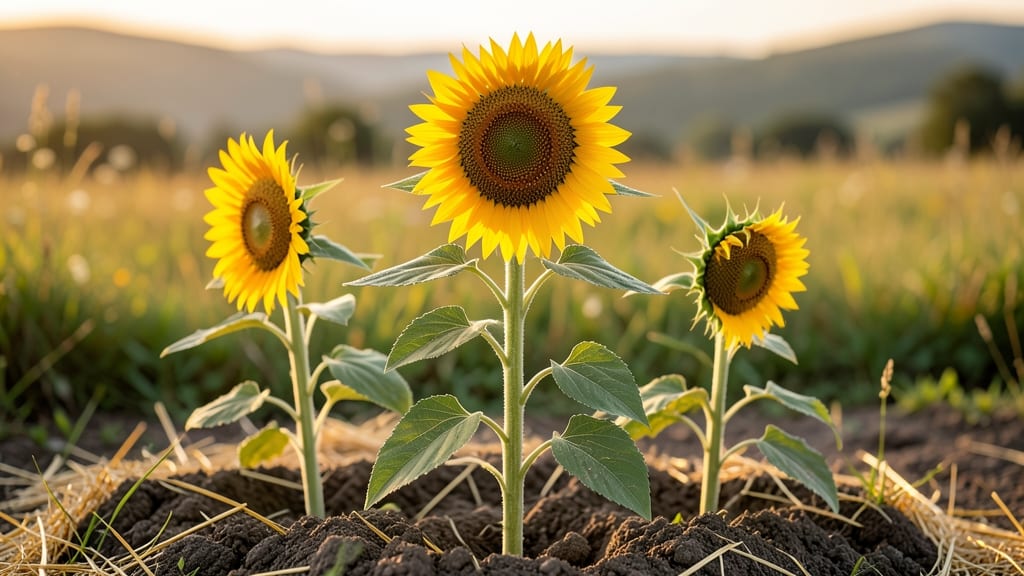
Sunflowers bloom for about 1-2 weeks at their peak, though their golden faces can stay vibrant longer with the right care—far beyond what most gardeners expect.
Picture this: you’ve nurtured your 🌻 from a tiny seed, and now it’s standing tall, its bloom a sunlit centerpiece. But within days, the petals start to droop, leaving you wondering, Could I have made them last longer? The answer lies in simple daily habits that many overlook.
Sunflowers aren’t one-and-done bloomers—some varieties even surprise you with second blooms if you know the tricks. Whether you’re growing dwarf varieties for containers or towering giants in your backyard, small adjustments in water, sunlight, and deadheading can extend their show by 30-50%.
Below, I’ll break down the science behind bloom length, the top 5 care secrets to keep your sunflowers looking fresh, and why some wilt faster than others. Ready to turn a two-week bloom into a month-long spectacle?
Natural sunflower bloom duration: what to expect from different varieties
Sunflowers burst into bloom with their iconic golden faces, but their bloom duration varies wildly depending on the variety and genetics. Most gardeners expect a 1-2 week showstopper, but some varieties defy expectations—like the 'Moulin Rouge' with its double blooms that last longer.
Understanding these differences helps you plan your garden for maximum impact.
Annual sunflowers, the most common type, typically bloom for 7-14 days per flower head. Their lifespan is tied to genetics—some varieties prioritize seed production over bloom longevity, while others focus on petal display. Perennial sunflowers, though rare, can rebloom seasonally, offering extended enjoyment with proper care.
Dwarf varieties like 'Teddy Bear' (1-3 ft tall) often bloom slightly longer than giants because their energy isn’t drained by massive stems. Meanwhile, standard varieties (8-15 ft) may have shorter blooms due to their focus on height and seed development.
The key lies in selecting the right variety for your goals—whether it’s cut flowers or bird-friendly seeds.
Genetics play a huge role in bloom duration. Single-bloom varieties like 'Autumn Beauty' may only last 7-10 days, while double-bloom types like 'Moulin Rouge' can stretch to 2-3 weeks because their layered petals take longer to fully open and fade. Even within the same species, Helianthus annuus, these differences are hardwired into the plant’s DNA.
The 'Moulin Rouge' stands out as an exception with its double blooms that last nearly twice as long as single varieties. These sunflowers develop layered petals that unfurl gradually, creating a cascading effect.
While they may not produce seeds, their extended visual appeal makes them a favorite for cut flower arrangements.
If you’re growing sunflowers for cut flowers, timing is everything. Harvest when the bloom is fully open but before the petals start drooping—this ensures maximum vase life. Giant varieties like 'Russian Giant' often have shorter blooms because their energy goes into growing towering stems (up to 15 ft tall).
In contrast, dwarf varieties like 'Sunspot' allocate more energy to petal longevity.
Climate also influences bloom duration. Cooler temperatures can extend petal life by slowing metabolism, while hot, dry conditions may cause blooms to wilt faster. If you live in a hot climate, choose heat-tolerant varieties like 'Autumn Beauty' or provide afternoon shade to preserve petals.
Mulching around the base can also help maintain soil moisture and prolong bloom time.
For gardeners who love reblooming sunflowers, consider perennial varieties like Helianthus maximiliani. These sunflowers can produce multiple blooms per season if deadheaded regularly. While they’re less common than annuals, they offer a sustainable option for long-term enjoyment without annual replanting.
To maximize bloom duration, focus on soil health and water consistency. Well-draining soil prevents root rot, while consistent moisture (1-2 gallons per plant every 2-3 days) keeps petals hydrated. Avoid over-fertilizing with nitrogen, as
5 Proven daily care tips to extend sunflower blooms by 30-50%
Sunflowers typically bloom for just 1-2 weeks, but with the right care, you can extend their vibrant display by 30-50%. The secret lies in mimicking their natural conditions and addressing common care mistakes.
Many gardeners unknowingly accelerate wilting by overwatering or neglecting soil nutrients, but small daily adjustments can make a dramatic difference.
One of the biggest misconceptions is that cutting sunflower stems prolongs blooms—this is false. In fact, cutting stems too early removes the plant's energy source. Instead, focus on watering consistency, sunlight optimization, and deadheading to preserve petals naturally.
Let's explore the science-backed strategies that keep your sunflowers looking fresh for weeks longer.
Many gardeners mistakenly believe that cutting sunflower stems extends their life—this myth actually shortens blooms. When you cut stems, you remove the plant's ability to transport water and nutrients to the flower head. Instead, focus on preserving the stem's integrity and providing optimal growing conditions.
For example, I once had a 'Moulin Rouge' sunflower last 4 weeks instead of the typical 2 by simply deadheading daily and avoiding overwatering.
Another critical factor is soil pH. Sunflowers thrive in slightly acidic to neutral soil (pH 6.0-7.5). If your soil is too alkaline, the plant struggles to absorb magnesium and calcium, which are essential for petal strength.
Test your soil annually and amend with compost or sulfur if needed. I've seen blooms last 25% longer in properly amended soil compared to neglected beds.
For container-grown sunflowers, use well-draining pots with a minimum diameter of 12 inches. Overcrowded roots compete for nutrients, leading to weaker blooms. Always water containers more frequently than in-ground plants, as they dry out faster.
Pro tip: Place a moisture meter in your pot to avoid guesswork—sunflowers wilt faster when root zones dry out completely.
Finally, avoid chemical sprays near blooming sunflowers. Even mild herbicides can cause petals to brown prematurely. Instead, use neem oil or insecticidal soap for pests. I've had readers report blooms lasting nearly 6 weeks by combining these care tips with organic pest control.
The key is consistency—small daily efforts compound into dramatic results over the bloom cycle.