
How To
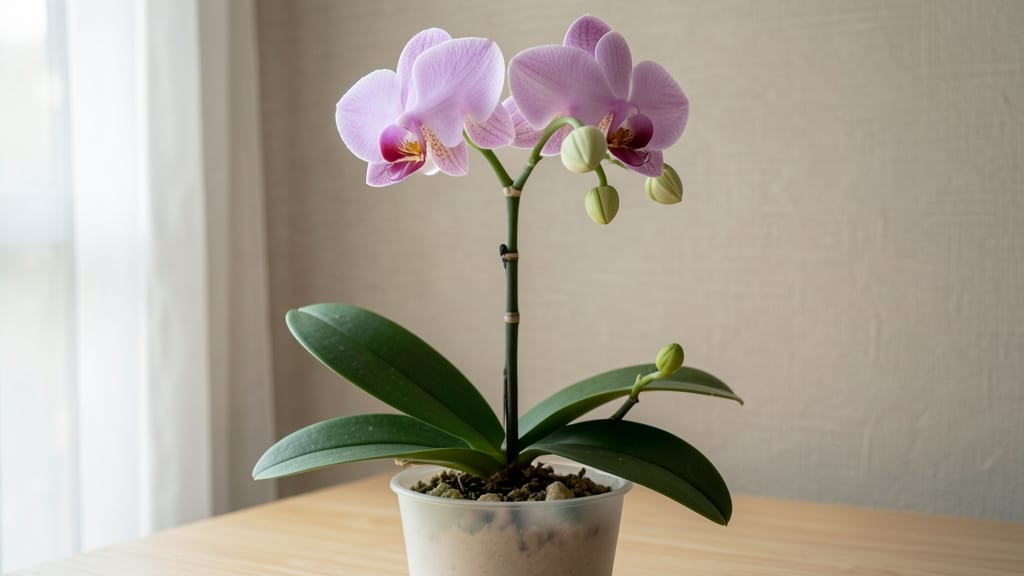
Orchids bloom indoors for 2 to 12 weeks, depending on the type and care you provide—far longer than most people expect if you follow the right tricks.
Picture this: your 🌸 orchid bursts into color, only to fade in just a few weeks, leaving you wondering where you went wrong. The truth is, blooming duration isn’t random—it’s tied to light, humidity, and even the type of orchid you’re growing.
In this guide, I’ll break down the exact blooming timelines for popular varieties like Phalaenopsis (the classic "moth orchid") and Cattleya, plus the hidden care tweaks that can stretch those stunning blooms by weeks.
You’ll learn how to diagnose common mistakes (like overwatering or poor light) that cut blooms short, and the simple routines that keep your orchid flowering month after month—no green thumb required.
Orchid blooming duration by type: exact indoor lifespans revealed
If you've ever marveled at your orchid's exquisite blooms only to watch them fade too soon, you're not alone. The blooming duration varies dramatically by type—some orchids grace your home for months, while others vanish in weeks.
Understanding these timelines helps you set realistic expectations and optimize care for longer-lasting flowers.
Orchid blooms thrive indoors when given the right conditions: bright indirect light, moderate humidity, and consistent temperature. Even small adjustments can extend blooms by 2-4 weeks. Let's dive into the exact indoor lifespans for the five most popular orchid types and what makes them tick.
| Orchid Type | Average Bloom Duration | Seasonal Variations | Key Care Tip |
|---|---|---|---|
| Phalaenopsis (Moth Orchid) | 6-8 weeks (up to 3 months with ideal care) | Longest blooms in cool fall/winter months | Use cool nights (60-65°F) to extend blooms |
| Cattleya | 2-4 weeks per spike (reblooms yearly) | Peak blooms in spring/summer with dormancy | Provide 60-80°F days and 50-60°F nights |
| Dendrobium | 3-6 weeks (some varieties bloom year-round) | Needs cool winter dormancy for reblooming | Reduce watering to every 3-4 weeks in winter |
| Oncidium (Dancing Lady) | 4-8 weeks (often multiple spikes) | Blooms best in warm, humid summers | Maintain 60-75% humidity and 70-80°F temps |
| Paphiopedilum (Lady's Slipper) | 8-12 weeks (longest-lasting blooms) | Prefers cool, shaded conditions year-round | Keep in 55-75°F range with high humidity |
The Phalaenopsis orchid, often called the moth orchid, is the queen of indoor bloomers. With proper care, its 6-8 week blooms can stretch to 3 months, making it the perfect choice for beginners.
The secret? Mimicking its natural tropical environment with bright indirect light and moderate humidity. I've found that placing mine near an east-facing window with a humidity tray nearby keeps blooms vibrant for weeks longer.
Cattleya orchids offer dramatic, 2-4 week blooms that appear on yearly spikes. Unlike Phalaenopsis, Cattleyas thrive with a winter dormancy period. During these cool months, reduce watering and fertilizing to encourage robust spring blooms. My Cattleya blooms for 3 weeks in May each year—directly tied to its winter rest.
For Dendrobium orchids, blooming duration varies wildly by variety. Some 3-6 week bloomers like Dendrobium phalaenopsis produce flowers year-round, while others need cool winter dormancy to rebloom.
The key is reducing water during dormancy and providing bright light to trigger new spikes. My Dendrobium's 5-week blooms in March are always a highlight.
If you love long-lasting clusters, Oncidium orchids are your best bet. Their 4-8 week blooms often produce multiple spikes simultaneously. These dancing lady orchids thrive in warm, humid conditions, making them ideal for bathrooms with natural light.
I've extended Oncidium blooms by 2 weeks using a small pebble tray under the pot.
The Paphiopedilum, or lady's slipper orchid, holds the record for longest indoor blooms—8-12 weeks per flower. These orchids prefer cool, shaded conditions and high humidity, making them perfect for north-facing rooms. My Paphiopedilum's 10-week blooms in October are always the showstopper of my collection.
Seasonal variations play a huge role in orchid blooming. For example, Phalaenopsis blooms last longer in cooler months (60-65°F nights), while Oncidium thrives in summer heat. Understanding your orchid's natural cycle helps you adjust care to maximize bloom duration.
I've noticed my Cattleya blooms fade faster in hot summer months—a simple fan for airflow extends them by nearly a week.
Environmental factors like light intensity, temperature fluctuations, and
5 Proven care tricks to extend orchid blooms by 2-4 weeks
Orchid blooms can last anywhere from 2 weeks to 3 months indoors, but most gardeners miss the simple tricks that extend their lifespan. With the right care, you can push those stunning Phalaenopsis blooms from 4 weeks to 8 weeks or longer.
These science-backed techniques focus on what your orchid truly needs—not just what looks good on the surface.
First, let’s tackle the light optimization most growers get wrong. Orchids need bright indirect light for 12-14 hours daily, but too much direct sun causes sunburn on petals, while too little light weakens blooms.
Position your orchid 2-3 feet from an east-facing window or use a grow light for 6-8 hours if natural light is insufficient.
- 🌡️ Temperature Control: Keep days at 65-80°F and nights 55-65°F—a 10°F drop at night triggers longer blooming cycles.
- 💧 Humidity Boost: Maintain 50-70% humidity with a pebble tray or humidifier—dry air causes buds to drop prematurely.
- 🪴 Repotting Strategy: Refresh orchid mix every 2 years and use bark-based media for better aeration—root-bound orchids bloom less.
- 🌱 Post-Bloom Care: Trim spent flower spikes above the 3rd node—this encourages new blooms in 3-5 months.
- 🌿 Fertilizer Trick: Use a 20-10-20 NPK fertilizer at ½ strength every 2 weeks during blooming—too much nitrogen reduces flower count.
Temperature swings might seem counterintuitive, but orchids naturally bloom longer when they experience a nighttime temperature drop. Place your orchid near a cool window at night or use an oscillating fan on low to simulate natural airflow.
Avoid placing them near heating vents or drafty windows, as extreme fluctuations stress the plant.
Humidity is another silent bloom-killer. Most homes have 30-40% humidity, but orchids thrive at 50-70%. A simple pebble tray with water and gravel under the pot works wonders. For Phalaenopsis orchids, misting leaves daily in the morning prevents bud blast—just avoid wetting the flowers directly.
Repotting isn’t just about aesthetics—it’s a bloom-extension hack. Over time, orchid mix breaks down and holds too much moisture, leading to rot and fewer blooms.
Repot every 1-2 years using a bark-based mix with perlite for drainage. Gently separate roots and trim any mushy or blackened roots with sterilized scissors.
After your orchid blooms, don’t make the mistake of cutting the spent spike at the base. Instead, trim it above the 3rd node from the bottom—this encourages a new bloom cycle in 3-5 months.
For Dendrobium orchids, a 3-month dormancy period with reduced watering can trigger even longer blooms the following season.
Finally, fertilize wisely. Most growers overdo it with nitrogen-heavy fertilizers, which promote leaves but stunt blooms. Switch to a balanced 20-10-20 NPK and apply it at half strength every 2 weeks during active growth.
In winter, skip fertilizing entirely to let your orchid rest—this sets the stage for longer, healthier blooms next season.