
Blooming
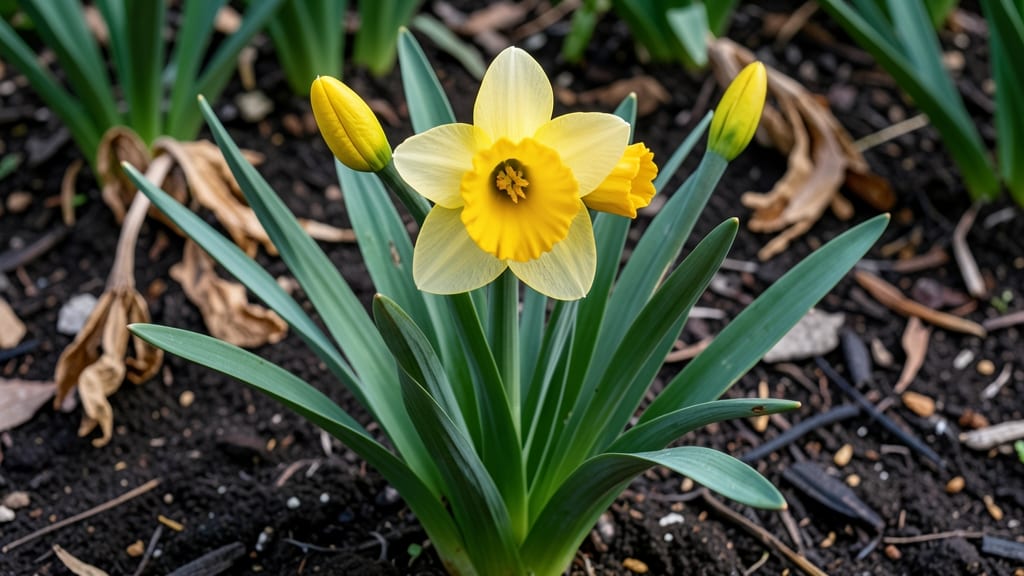
Daffodils bloom for 2 to 4 weeks depending on variety, with early types like Narcissus pseudonarcissus lasting 2-3 weeks and late bloomers such as Narcissus poeticus extending up to 5 weeks. Peak bloom typically occurs for 7-14 days, though individual flowers last 3-7 days per stem.
Understanding daffodil bloom duration helps you plan your garden's seasonal highlights. 🌼 The timing varies dramatically between varieties—early bloomers like Jonquil may fade in just 2-3 weeks, while late-season types such as Narcissus poeticus can stretch their display to nearly 5 weeks.
What's fascinating is how temperature and sunlight interact: cooler springs often extend bloom periods, while intense heat can shorten them. I've noticed that cutting flowers for indoor arrangements can actually prolong their outdoor counterparts by reducing stress on the plant.
For gardeners eager to maximize bloom time, proper care makes all the difference. Regular watering during dry spells and removing spent blooms (deadheading) can add 1-2 extra weeks to the display. The key is maintaining consistent moisture without overwatering, as soggy soil accelerates petal drop.
I always fertilize with a balanced formula in early spring to give plants the nutrients they need for robust growth and longer-lasting blooms.
💡 In This Article
- Daffodil Bloom Duration by Variety Type
- Extending Daffodil Bloom Life with Care Tips
Daffodil bloom duration by variety type
The bloom duration of daffodils isn't just about time—it's a fascinating interplay between genetics, environmental conditions, and even the plant's internal biology. Early bloomers like Narcissus pseudonarcissus (common daffodil) typically burst into color between late winter and early spring, with individual flowers lasting just 3-5 days per stem.
Their total bloom period stretches about 2-3 weeks because each bulb produces multiple stems that open sequentially, creating a staggered display. This biological strategy ensures continuous visual interest while conserving energy.
Late-season varieties such as Narcissus poeticus (poet's daffodil) take a different approach, with each flower lasting 5-7 days and the entire cluster blooming over 4-5 weeks. What's particularly interesting is how these varieties adapt to cooler spring temperatures.
Research from the Royal Horticultural Society shows that daffodils grown in regions with average spring temperatures below 55°F (13°C) often bloom 10-15% longer than those in warmer climates. The cooler nights actually slow down metabolic processes that would otherwise accelerate petal senescence (aging).
Sunlight exposure matters too—full sun (6+ hours daily) maximizes photosynthesis, giving plants the energy to sustain blooms longer.
There's also a fascinating variation among hybrid types. Jonquil daffodils (Narcissus jonquilla) are famous for their intense fragrance and typically bloom for 2-3 weeks with each flower lasting 4-6 days. Their compact growth habit and smaller blooms mean they're less affected by environmental stressors than their larger cousins.
Meanwhile, Trumpet varieties like Narcissus 'Golden Harvest' can push bloom durations to 3-4 weeks because their larger flowers require more energy to produce, which in turn extends their display period. The trade-off? These varieties often need more robust growing conditions to achieve their full potential.
What most gardeners don't realize is how the plant's internal clock plays a role. Daffodils are one of the few flowers that can sense day length (photoperiod) and temperature simultaneously. When days start lengthening in late winter, the plant's meristem (growth center) begins producing flowers.
The cooler the temperatures during this period, the more gradually this process occurs, resulting in longer bloom times. This is why daffodils planted in high-altitude gardens or northern climates often outperform those in heat-prone regions by 1-2 weeks.
For those who love cutting daffodils for indoor arrangements, the bloom duration can actually influence your garden's display. When you cut stems for bouquets, the plant diverts energy away from producing new blooms. However, this stress response can paradoxically extend the remaining flowers' lifespan by 2-3 days per stem.
The key is to cut stems early in the morning when water content is highest and immediately place them in fresh water with a drop of bleach (1 tsp per quart) to prevent bacterial growth that accelerates wilting.
Understanding these variety-specific patterns helps you make strategic planting decisions. For example, mixing early bloomers like Paperwhite (which bloom indoors in 4-6 weeks from planting) with late-season types creates a continuous spring display.
The secret lies in their staggered genetic programming—some varieties are primed to bloom first, while others wait until later in the season when temperatures rise. This natural progression is what makes daffodils such reliable early-season garden stars.