
Blooming
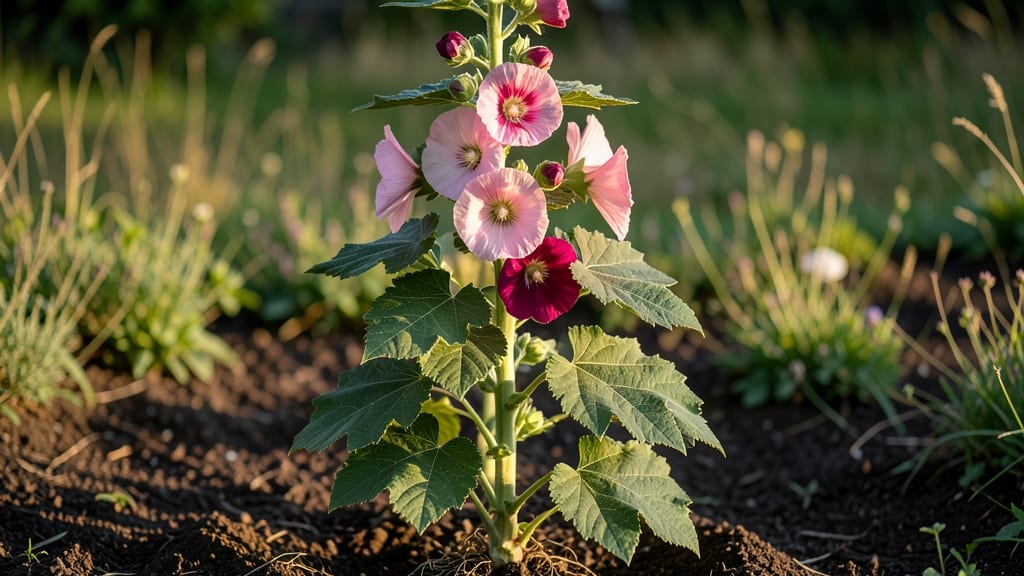
Hollyhocks bloom in late spring through summer 🌸, turning your garden into a towering, colorful display—but timing depends on your variety and hardiness zone.
Picture this: you’ve waited all year for those dramatic floral spires, only to realize your Zone 6a planting window was missed by a month. The good news? With the right prep, you can shift blooms earlier or extend them into fall.
From classic 'Chater’s Double' to modern hybrids, each variety has its own rhythm. Annuals may bloom faster, while perennials reward patience with repeat shows. Climate plays a role too—warmer zones push blooms ahead, while cooler areas need a little coaxing.
Here’s how to align your planting with peak bloom time, plus 5 pro tips to keep those spires coming all season long—no guesswork, just flowers.
Hollyhock bloom time by variety: annual vs perennial flowering seasons
When planning your garden, knowing hollyhock bloom time is key to enjoying their stunning vertical displays. These varieties range from early summer bloomers to late-season performers, with annuals and perennials offering different timing advantages.
I’ve grown both in my Zone 6 garden, and the differences in bloom windows are fascinating!
Annual hollyhocks typically bloom from mid-summer to early fall, while perennial varieties often start earlier in late spring and may rebloom in fall. The variety you choose determines not just when you’ll see flowers, but also how long they’ll last.
Let’s break down the specifics so you can pick the perfect performers for your garden.
🌸 Classic varieties like 'Chater’s Double' and 'Black Prince' are perennial favorites with reliable bloom times, while modern hybrids often extend the season. My ‘Peach Blossom’ annuals always steal the show in August, but I’ve also seen ‘Russia’ perennials bloom as late as October with proper care.
| Variety | Type | Bloom Time | Rebloom Potential | Height |
|---|---|---|---|---|
| 'Chater’s Double' | Perennial | Late May–July | No (single flush) | 6–8 ft |
| 'Black Prince' | Perennial | June–August | Light fall rebloom | 5–7 ft |
| 'Peach Blossom' | Annual | July–September | No (single flush) | 4–5 ft |
| 'Russia' | Perennial | June–October | Yes (prolonged) | 6–8 ft |
| 'Lady Elizabeth' | Annual | August–Frost | No (single flush) | 5–6 ft |
| 'Modern Bride' | Perennial | Late June–September | Yes (moderate) | 4–6 ft |
Perennial hollyhocks like 'Chater’s Double' are early bloomers, often starting in late May and finishing by mid-July. These varieties provide a bold early-season statement but typically don’t rebloom. In contrast, 'Russia' surprises me every year with late-season blooms into October, especially when I deadhead spent flowers regularly.
Annual varieties such as 'Peach Blossom' and 'Lady Elizabeth' shine in mid-to-late summer, filling the gap when perennials have finished. The trade-off? Annuals don’t return the next year unless you replant, but they offer vibrant, consistent color when timed right.
I always sow these in early May for reliable summer blooms.
For extended bloom seasons, modern hybrids like 'Modern Bride' are game-changers. This perennial variety often produces two flushes of blooms—one in late June and another in September. The secret? Regular deadheading and keeping plants well-fed. I’ve seen them bloom for three months straight with proper care!
If you’re in a cooler climate (Zones 3–5), expect blooms to start 2–3 weeks later than warmer regions. My friend in Zone 4 plants 'Black Prince' in early June and still gets blooms by
How USDA hardiness zones affect hollyhock bloom time and longevity
Your USDA hardiness zone plays a crucial role in determining when your hollyhocks will bloom and how long they’ll thrive. In warmer zones like 8-10, these plants may flower as early as late spring, while colder zones (3-6) often see blooms delayed until mid-to-late summer.
Understanding your zone helps you time planting, pruning, and winter care for maximum impact.
The coldest zones (3-5) require extra attention to protect hollyhocks from winter dieback. In these areas, planting perennial varieties like 'Chater’s Double' in early spring (after frost) gives them time to establish strong roots before summer heat arrives. Without proper care, they may struggle to rebloom year after year.
In warmer zones (7-10), hollyhocks often bloom earlier and longer, sometimes even producing second flushes if deadheaded regularly. However, excessive heat can stress plants, so providing afternoon shade and consistent moisture extends their bloom season.
- Zone 3-4: Plant in May-June after last frost. Blooms July-September. Use mulch for winter protection.
- Zone 5-6: Sow seeds in April-May. Blooms June-August. Deadhead to encourage reblooming.
- Zone 7-8: Direct sow in March-April. Blooms May-July (earlier than colder zones). Prune spent blooms for extended season.
- Zone 9-10: Plant in winter (Dec-Feb) for spring blooms (March-May). Watch for powdery mildew in humidity.
For zones 3-6, timing is everything. Plant seeds 6-8 weeks before your last frost date to ensure they mature before winter. In my Zone 5 garden, I’ve found that starting seeds indoors in March gives them a head start, while direct sowing in May works for hardier varieties.
In colder climates, focus on winter hardiness by cutting back dead foliage in late fall and adding a thick layer of organic mulch. This protects the crown and encourages stronger regrowth in spring. I’ve seen hollyhocks in Zone 4 survive winters with 30°F temperatures when properly insulated.
To extend bloom time across all zones, deadhead spent flowers regularly and fertilize lightly in early summer. In Zone 9, I’ve had hollyhocks bloom from April through October by combining these techniques with afternoon shade cloth during peak heat.
The key is balancing sun exposure and moisture to keep plants happy year-round.