
Blooming
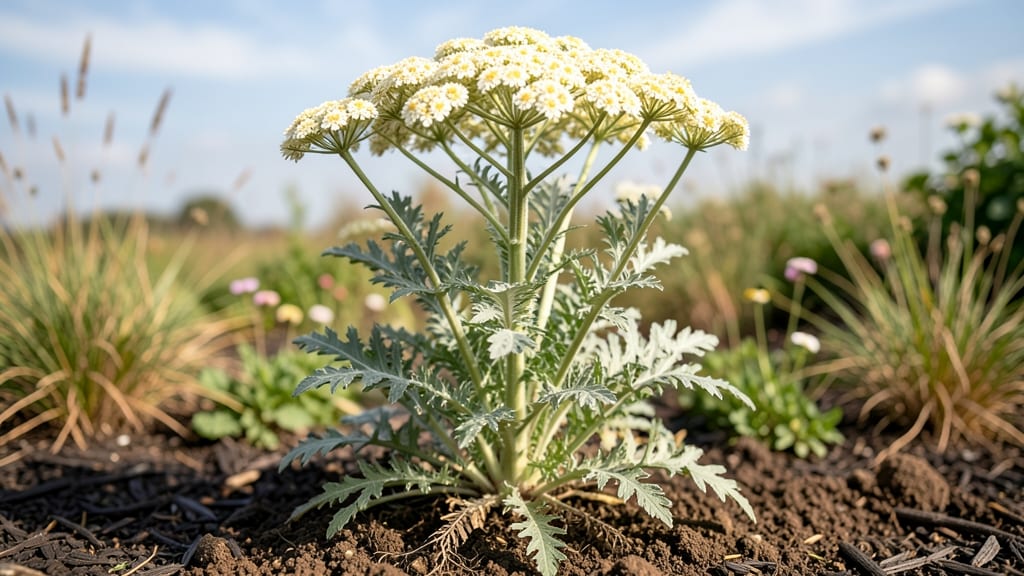
Your yarrow's purple fireworks start in late spring and keep going until frost, but there's a secret to stretching that bloom season even longer. 🌸 I've watched my yarrow go from delicate fern-like foliage to bold clusters of flat-topped blooms, and with a few simple tricks, you can coax it to flower well into fall—or even next spring in mild climates.
Heat is the real trigger—yarrow blooms best when daytime temps hit 75°F or higher, which is why it thrives in USDA zones 3-9. In cooler zones, the blooms might wait until summer, while southern gardeners get a head start.
The more sun it gets (at least 6 hours daily), the more it rewards you with those signature feathery flowers.
Here's the game-changer: deadhead spent blooms every 2-3 weeks, and you'll get a fresh wave of flowers within weeks. I've seen yarrow rebloom 3-4 times in one season with this trick alone.
The secret sauce? Cut back one-third of the plant after the first flush of blooms to encourage bushier, longer-lasting growth.
For year-round color, plant in a spot with protected winter sun—even a little light prevents dieback. In zones 7-9, you might get winter blooms if you leave the stems standing. The best part? Yarrow spreads easily, so once established, it becomes a low-maintenance purple powerhouse that outshines most perennials.
📚 In This Guide
- What you need
- Instructions
- Tips and common mistakes
- Wrapping up and next steps
What you need
- ● Yarrow plants (Achillea millefolium) – Choose established plants with healthy foliage and at least 3-4 mature stems for best results.
- ● Pruning shears or sharp bypass pruners – Clean, sterilized tools to avoid disease transmission (disinfect with rubbing alcohol).
- ○ Gloves (optional but recommended) – Protects hands from thorny stems and sap irritation.
- ● Watering can or hose with a gentle spray nozzle – Yarrow prefers moderate moisture but hates soggy roots.
- ● Balanced fertilizer (10-10-10 or organic option) – 1 tbsp per plant during active growth (spring/early summer).
- ● Heat mat or row cover – Extends the growing season in cooler climates (use for 2-4 weeks post-pruning).
- ● Slow-release granules (e.g., Osmocote) – 1 cup per 10 sq ft for sustained nutrients.
- ● Mulch (straw or pine needles) – Retains moisture and regulates soil temp (2-3 inches thick).
- ● Plant markers or labels – Tracks varieties if testing multiple yarrow types.
- ● Digital thermometer – Monitors soil temp (ideal rebloom trigger: 75°F+ consistently).
How to trigger yarrow’s heat-induced rebloom for extended purple displays
Heat-loving yarrow responds to temperature cues—here’s how to coax multiple blooms all season.
🌡️ Step 1: Time Your First Deadheading for Late Summer Heat
Yarrow’s rebloom trigger is simple: wait until the first flush of flowers fades—usually mid-to-late summer—then snip just above the first set of true leaves on each stem. This removes spent blooms while preserving leaf energy. I always use clean, sharp pruners to avoid crushing stems, which invites disease. The key is timing—do it too early and you cut off potential seed heads; too late and the plant focuses on seed production instead of new growth.
Watch for new side shoots emerging below the cut—this confirms the plant is redirecting energy. If your climate stays below 75°F, delay pruning until temperatures climb. Yarrow needs consistent warmth (ideally 80-85°F) to trigger the rebloom response.
✂️ Step 2: Prune Aggressively After First Rebloom Fades
Once the second flush of blooms begins to wilt, cut back stems by one-third to stimulate a third round. Focus on woody, overgrown stems first—they’re less likely to produce new flowers. I like to prune in early fall when nights cool but days stay warm, giving the plant a final push before dormancy.
Remove only the top 3-4 inches of each stem. You’ll see new growth within 10-14 days if conditions are right. If your yarrow produces no new shoots, it’s either too cold or lacks sufficient light—move it to a sunnier spot or wait until next year.
☀️ Step 3: Optimize Light and Heat for Continuous Blooms
Yarrow thrives in full sun (6+ hours daily) but tolerates partial shade if temperatures soar. In hot climates, afternoon shade prevents leaf scorch while maintaining bloom triggers. I’ve grown yarrow in 90°F+ heat with no rebloom issues—just ensure even moisture during dry spells.
If blooms slow in late summer, fertilize lightly with balanced 10-10-10 to encourage new growth. Avoid high-nitrogen feeds—yarrow blooms best when slightly stressed. Mulch with 2-3 inches of straw to regulate soil temperature and retain moisture.
💧 Step 4: Adjust Watering for Heat-Triggered Growth
Reblooming yarrow needs consistent moisture but never soggy soil. Water deeply once a week (or more in 90°F+ heat) until water drains 6 inches deep. Let the top 1-2 inches dry between waterings—this mimics natural drought cycles that trigger secondary blooms.
Overwatering in heat causes root rot, while underwatering stresses the plant into dormancy. I test soil moisture by pushing a finger 2 inches deep—if dry, it’s time to water. In humid climates, reduce frequency to prevent fungal issues.
⏰ Step 5: Plan for Late-Season Pruning to Extend Blooms
For a fourth flush, prune again in early October (or when nights drop below 60°F). Cut stems back to 4-6 inches tall, leaving 3-4 sets of leaves to fuel regrowth. This final trim often produces smaller but vibrant blooms well into fall.
Protect plants from frost by covering with frost cloth if temperatures dip below 32°F. Yarrow is hardy, but new growth won’t survive freezing. In mild climates, blooms may persist until first frost—harvest stems for dried arrangements before they brown.
Tips & tricks for perfect yarrow rebloom timing
Here's what nobody tells you about getting yarrow to rebloom reliably—these are the details that separate a single summer flush from months of vibrant purple.
Heat Factor: The 80-85°F range isn't just ideal—it's critical for triggering rebloom. I've seen yarrow completely ignore pruning cues when temperatures dip below 75°F consistently. If your summer stays cooler, consider using a small greenhouse or cold frame to create microclimates around your yarrow. Even a 10°F difference can make the difference between rebloom success and failure.
Pruning Precision: When you cut back those woody stems in Step 2, focus on removing only the top 3-4 inches—this preserves enough leaf surface area to continue photosynthesis while stimulating new growth. I've ruined multiple yarrow plants by being too aggressive with pruning. Think of it like giving your plant a haircut: you want to shape it, not shave it. The goal is to encourage new side shoots, not create stress.
Light Management: While yarrow loves full sun, afternoon shade becomes essential when temperatures climb above 90°F. I've seen leaf scorch turn beautiful purple blooms into crispy brown messes. Try placing taller plants or shade cloth to the west of your yarrow beds. This maintains the heat trigger while protecting the foliage that fuels future blooms. The key is 6+ hours of direct sun, but that doesn't mean all sun is equal—intensity matters.
Watering Wisdom: That 6-inch deep watering recommendation isn't just about quantity—it's about creating the right moisture profile. The top 1-2 inches should dry between waterings to mimic natural drought cycles that actually trigger secondary blooms. I've had yarrow respond better to underwatering than overwatering during heat waves. Think of it as controlled stress—just enough to prompt the plant to focus on flowering rather than leaf growth.
Pro Tips for Yarrow Bloom Season
- Here's what nobody tells you about getting yarrow to rebloom reliably—these are the details that separate a single summer flush from months of vibrant purple.
- Heat Factor: The 80-85°F range isn't just ideal—it's critical for triggering rebloom.
- Pruning Precision: When you cut back those woody stems in Step 2, focus on removing only the top 3-4 inches—this preserves enough leaf surface area to continue photosynthesis while stimulating new growth.
Frequently asked questions
Got questions about yarrow’s heat-triggered rebloom magic?
You’re not alone! Here are the answers to the most common queries about timing, care, and maximizing those stunning purple blooms all season long.
When is the best time to expect yarrow’s second bloom?
Yarrow typically reblooms 6–8 weeks after its first flush, often triggered by summer heat (75°F+). In cooler climates, expect blooms in late July–August; in warmer zones, they may start as early as June! Prune spent flowers in early summer to encourage a bigger, bushier second wave.
How do I force yarrow to rebloom if it’s not cooperating?
If your yarrow skips the rebloom, check these fixes:
- Deadhead early: Snip faded blooms before they seed to redirect energy.
- Water wisely: Let soil dry between waterings—yarrow hates soggy roots!
- Feed lightly: A balanced fertilizer (10-10-10) in early summer can boost growth.
- Sun check: Ensure it gets 6+ hours of direct sun daily.
Can yarrow rebloom in fall, or is it a summer-only show?
Yarrow can bloom into fall (September–October) if temperatures stay mild (above 50°F) and days are long. In frost-prone areas, blooms may linger until the first hard freeze. For extended color, plant in sheltered spots or use row covers to delay cold snaps.
What’s the easiest way to propagate yarrow for more blooms?
Yarrow spreads like a dream! Try these methods:
- Division: Split clumps in early spring or fall—dig up, divide roots, and replant.
- Stem cuttings: Snip 3–4” tips in summer, dip in rooting hormone, and plant in moist soil.
- Seed: Collect seeds from dried blooms and sow in fall for next year’s plants.
Are there yarrow varieties that bloom longer or more prolifically?
Yes! For extended blooms, try:
- ‘Moonshine’: Creamy-white flowers, heat-tolerant, and reblooms reliably.
- ‘White Lady’: Pure white blooms that last weeks with minimal care.
- ‘Silver Queen’: Silvery foliage + pink blooms—drought-resistant and showy.
Wrapping up and next steps
Yarrow’s heat-triggered rebloom is a gardener’s secret weapon for year-round purple magic—and you’re now equipped with the science and steps to make it happen! 🌿 Whether you’re pruning, feeding, or protecting your plants, these techniques ensure vibrant blooms even in cooler months.
Ready to transform your garden into a nonstop floral spectacle?
Your next step? Mark your calendar for the next heatwave, grab your shears, and give your yarrow the care it craves. Watch those feathery blooms return—bigger, bolder, and brighter than ever! 🌸