
Blooming
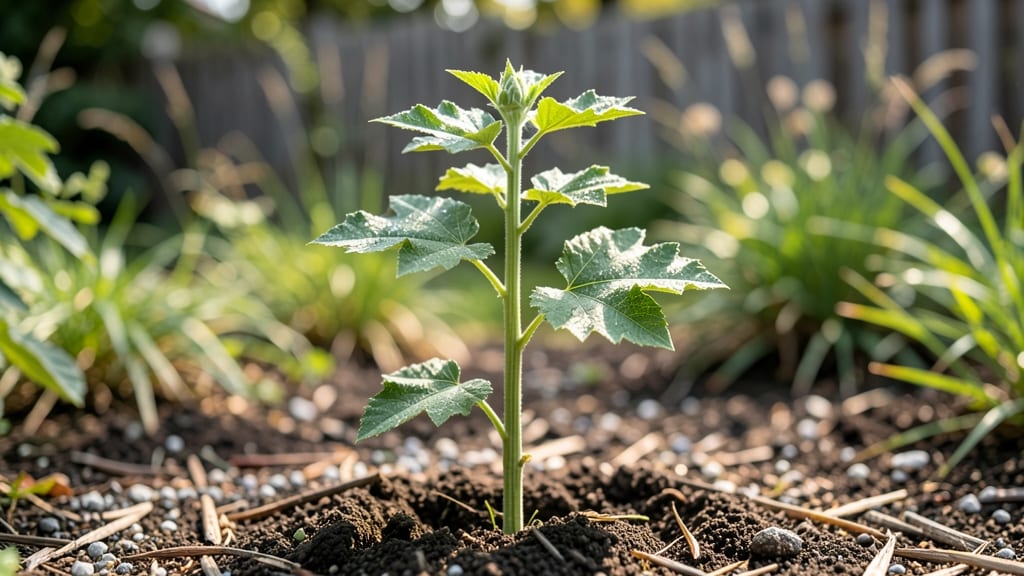
Hollyhocks don't typically bloom the first year after planting, since they prioritize root and leaf growth before flowering. Most varieties need 12-18 months to produce their first flowers, though some biennials might show occasional blooms under ideal conditions.
This growth pattern is actually a smart survival strategy—hollyhocks invest their energy into building a sturdy root system first, which helps them thrive in their second year. 🌱 The first year is all about establishing a strong foundation, especially in cooler climates where growth naturally slows.
I've noticed that well-established plants often reward gardeners with prolonged blooming seasons in subsequent years, sometimes lasting from midsummer through fall.
If you're eager to see flowers sooner, focus on creating optimal growing conditions: full sun exposure, well-draining soil, and consistent moisture. Some fast-maturing varieties like 'Black Knight' or 'Chater's Double' may surprise you with early blooms, though patience still pays off for the most vibrant displays.
The key is balancing encouragement with nature's timeline—pushing too hard can stress the plant and delay flowering even further.
💡 In This Article
- Why Hollyhocks Delay Blooming in Their First Year
- Tips to Encourage Early Hollyhock Blooms
Why hollyhocks delay blooming in their first year
Hollyhocks follow a biennial growth pattern, meaning they prioritize vegetative growth in their first year to build energy reserves for flowering in their second. This strategy ensures survival by developing a robust root system capable of supporting the plant's future blooms.
During the first growing season, hollyhocks focus on expanding their root network and leaf production, which can grow up to 3-5 feet tall by autumn. The plant stores carbohydrates in its roots, similar to how biennial vegetables like carrots or onions prepare for their second-year harvest.
The timing of this growth cycle is influenced by several environmental factors. Hollyhocks thrive in full sun (6-8 hours daily), but insufficient light can delay flowering by forcing the plant to allocate more energy to leaf production.
Soil quality plays a critical role too—well-draining, slightly alkaline soil (pH 6.0-7.5) promotes healthy root development. In cooler climates, hollyhocks may take longer to mature, sometimes requiring 18-24 months for their first blooms, while warmer regions might see earlier flowering in ideal conditions.
What most gardeners don't realize is that hollyhocks use a process called "apical dominance" to control their growth. The main stem's terminal bud suppresses side bud development, directing all energy downward into root expansion. This mechanism ensures the plant has a strong foundation before diverting resources to flower production.
Breaking apical dominance through selective pruning can sometimes encourage earlier blooming, but it requires careful timing to avoid stressing the plant.
Temperature also affects this cycle. Hollyhocks need consistent 60-75°F growing conditions to thrive. Cold snaps or heatwaves can disrupt their natural rhythm, causing them to delay flowering. For example, plants exposed to sudden freezes may divert energy to cold resistance rather than flower development.
This is why gardeners in northern climates often see delayed blooming compared to those in southern regions.
The plant's energy allocation becomes visible in its foliage. First-year hollyhocks produce large, broad leaves that can reach 6-12 inches long, while second-year plants develop more compact leaves to support the energy demands of flowering.
This shift demonstrates how hollyhocks optimize their growth strategy based on available resources—a fascinating example of plant adaptation.
Understanding this cycle helps explain why some gardeners report sporadic first-year blooms. These typically occur in fast-maturing varieties like 'Chater's Double' or when plants are grown from seed rather than transplants, as seedlings have more energy to allocate to flowering.
However, these early blooms often result in smaller, less vibrant flowers compared to what the plant can produce in its second year.
The bottom line is that hollyhocks follow a biological timeline designed for long-term success. While you can influence this process through proper care, respecting their natural growth cycle will yield the most rewarding results in subsequent seasons. 🌸