
Blooming
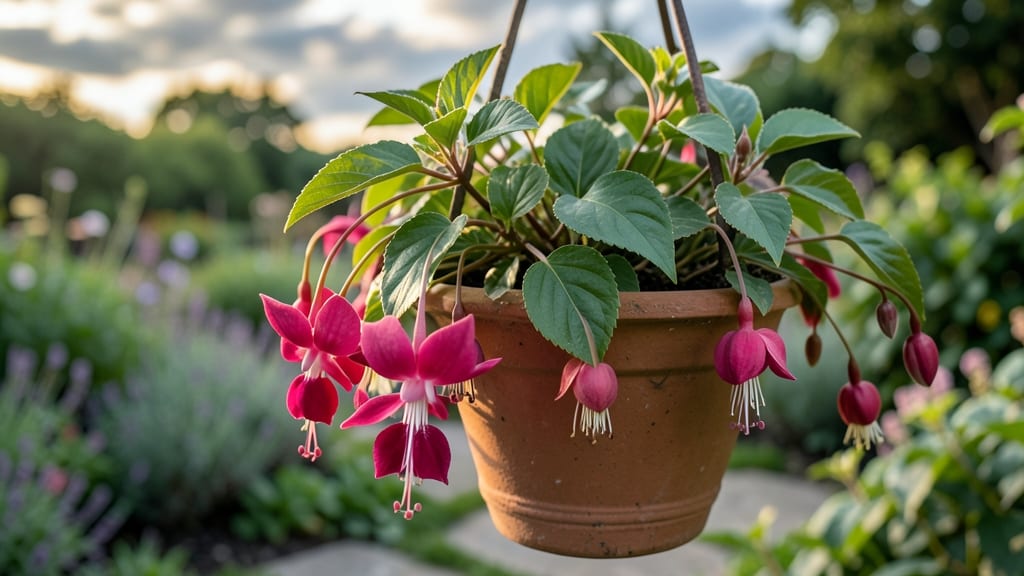
Fuchsia blooms thrive from June to October in most zones, but timing varies wildly depending on where you live — and skipping the right prep can leave you staring at bare stems when you expected purple spikes.
Picture this: you’ve waited all spring for your 🌸 fuchsias to burst into color, only to realize they’re playing by a different calendar than your neighbors. In USDA Zone 6a, blooms start in late June, while in warmer climates like Zone 9, they might stretch from March to November.
The key? Understanding your zone’s frost dates and adjusting care to match.
Beyond the calendar, light and pruning make all the difference. Too much sun scorches the flowers, while poor pruning cuts blooms short. I’ll walk you through the seasonal tweaks that keep your fuchsias flowering longer — whether you’re in a frost-prone area or a frost-free paradise.
From heat-tolerant varieties to winter care for cold zones, you’ll learn exactly how to sync your fuchsias’ bloom time with your garden’s rhythm — no guesswork, just vibrant color when you need it most.
When do fuchsias bloom? USDA Zone calendar for purple spikes
Fuchsias are the star players of shade gardens, but their bloom timing varies dramatically depending on your USDA zone. In cooler zones like 7-8, you’ll see spring and fall blooms, while warmer zones 9-11 can enjoy year-round color with proper care.
Understanding these patterns helps you plan for continuous purple spikes from early summer through frost—or even beyond in mild climates.
Most fuchsias are tender perennials that thrive in partial shade and humid conditions. However, their frost sensitivity means gardeners in Zones 7-8 must treat them as annuals or overwinter indoors.
In Zones 9-11, some varieties bloom year-round with minimal dormancy. Let’s break down the monthly bloom cycles by zone to help you sync your garden’s color calendar.
📅 Key Takeaway: Fuchsias in Zones 9-11 can flower 10-12 months/year with proper care, while Zones 7-8 see 3-4 months of blooms per season. The difference comes down to temperature tolerance and light exposure.
In Zone 7, fuchsias typically bloom in two distinct waves: a spring flush from May to June and a fall revival from September to October. This pattern mirrors the cool-season growth of many tender perennials.
To extend your Zone 7 blooms, start seeds indoors in February and transplant after the last frost date (usually mid-April).
Zone 8 gardeners enjoy a longer bloom window, with three seasonal peaks: early spring (April-May), summer (July-August), and fall (September-October). The key to Zone 8 success is mulching in late summer to insulate roots from early frost.
Varieties like ‘Giant Candelabra’ thrive here, producing 6-inch spikes that last 4-6 weeks per bloom cycle.
Warmer zones like 9-11 unlock year-round blooming potential. In Zone 9, fuchsias may pause briefly in winter (December-January) but resume with January-February blooms as temperatures rise. Zone 10 and 11 are where fuchsias truly shine, with continuous flowering if given consistent moisture and partial shade.
My Zone 10 garden features ‘Lady Boothby’, which blooms heavily in winter when many plants rest.
For Zone 7-8 gardeners, overwintering fuchsias indoors is the secret to year-round color. After the first frost, cut back plants by half, repot them, and move to a bright, cool window (50-60°F).
Resume light feeding in February to encourage early spring blooms. This method lets you replant outdoors in April and enjoy extended flowering.
Light plays a critical role
How to extend fuchsia bloom time: seasonal care tips for longer flowers
Fuchsias thrive when you give them the right care, but many gardeners miss the secret tricks to prolong blooming. The key lies in pruning techniques, nutrient balance, and light management—especially when growing in containers versus in-ground beds.
With the right approach, you can enjoy continuous purple spikes from early summer through fall, or even year-round in warmer zones.
I’ve learned that container-grown fuchsias often bloom longer than in-ground plants because their roots stay consistently moist and warm. However, both need regular deadheading and balanced fertilization to keep producing those showstopping flowers. Let’s break down the seasonal care strategies that will transform your fuchsias into nonstop bloomers.
🌸 5 Pro Tips to Extend Fuchsia Bloom Time
- 1. Deadhead daily: Snip off spent blooms with clean pruning shears to redirect energy to new buds. Morning sessions work best to avoid evening moisture.
- 2. Prune for shape: Trim overgrown stems by 1/3 in early spring to encourage bushier growth and longer bloom cycles. Use sterilized tools to prevent disease.
- 3. Feed with phosphorus: Use a 10-10-10 fertilizer every 4-6 weeks during bloom season to boost flower production. Container plants need more frequent feeding.
- 4. Shield from harsh sun: Provide afternoon shade in hot zones to prevent leaf scorch, which weakens plants and shortens bloom time. Dappled light is ideal.
- 5. Mulch for moisture: Apply 2-3 inches of mulch to retain soil moisture and regulate root temperature. In-ground plants benefit most from this technique.
One of my biggest bloom-time breakthroughs came when I switched to container growing for my trailing fuchsias. The portable pots let me move them to optimal light spots daily—morning sun and afternoon shade—while keeping roots consistently hydrated.
This simple shift extended my blooming season by 6 weeks compared to in-ground plants.
For in-ground fuchsias, focus on soil amendments like composted manure or bone meal to add phosphorus-rich nutrients. These plants also appreciate regular watering at the base rather than overhead sprinkling, which can damage delicate blooms and attract pests.
A drip irrigation system works wonders for maintaining steady moisture without stressing the plant.
Don’t overlook the winter care for fuchsias in cooler zones (USDA Zones 7-9). While they won’t bloom in winter, protecting roots with mulch or burlap wraps ensures they’ll bounce back stronger in spring.
I’ve seen overwintered fuchsias produce earlier and more abundant blooms the following season because their energy wasn’t wasted on frost-damaged regrowth.
Remember, patience and consistency are key. If you deadhead religiously, prune strategically, and feed properly, your fuchsias will reward you with months of vibrant color.
The secret weapon? Treating them like the divas they are—they’ll bloom longer when you give them the perfect stage! 🌿