
Blooming
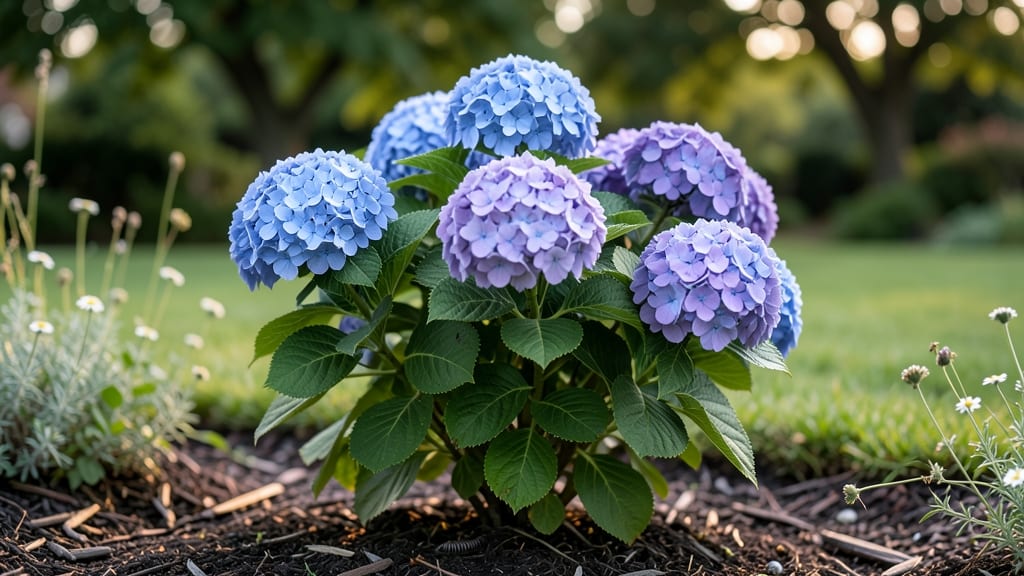
The Bobo Hydrangea blooms in mid-to-late summer 🌸, but the exact timing depends on your USDA zone and how you care for it.
If you’ve planted one for its stunning purple spikes, timing is everything—miss the bloom window, and you’ll be left staring at bare stems. This drought-tolerant beauty thrives in zones 4-9, but its flowering schedule varies dramatically depending on where you live.
In zone 6a, like most of the Midwest, expect blooms to start in July, peaking in August before fading by early fall. Warmer zones like 8 or 9 may see flowers as early as June, while cooler zones like 4 or 5 might delay until late July.
Below, I break down the zone-by-zone calendar, plus the 3 pruning secrets that keep blooms coming year after year—no guesswork, just consistent purple spikes.
When does Bobo Hydrangea bloom? Exact months by USDA hardiness zones
Timing your garden expectations around bobo hydrangea bloom time means understanding your USDA hardiness zone. In zone 4, you’ll see blooms later than in zone 9, where they may start as early as March.
The key difference? First frost dates and how they trigger dormancy or reblooming cycles.
Bobo hydrangeas (Hydrangea paniculata 'Bobo') are late-season bloomers, meaning their flower buds form on new wood—not old stems. This makes them more flexible than mophead varieties, but it also means late spring pruning can extend your bloom window.
In cooler zones, blooms often appear 6-8 weeks after last frost, while warmer zones may see them 4-6 weeks earlier.
Here’s how bloom timing shifts across zones, including start, peak, and end months—and how to protect blooms from early frost in zones 4-6.
| USDA Zone | Avg. Start | Peak Bloom | End Bloom | Frost Risk |
|---|---|---|---|---|
| 4-5 | Late May | July-August | Early September | High (cover blooms) |
| 6-7 | Early June | July-August | Mid-September | Moderate (watch for frost) |
| 8-9 | March-April | June-July | Late August | Low (longer bloom season) |
*Bloom times vary by microclimate and care practices.
In zones 4-5, where winters are harsh, Bobo hydrangeas often produce one flush of blooms in late summer. The first frost in September can damage open flowers, so plan to prune spent blooms in late winter to encourage next year’s growth.
In zone 6, you’ll see a slightly longer bloom window, with flowers lasting until mid-September if protected.
Gardeners in zones 7-9 enjoy the biggest advantage: earlier blooms and reblooming potential. In zone 9, for example, buds may appear as early as March, with peak blooms in June-July.
The key to extending this window? Deadheading spent flowers and avoiding heavy pruning until late winter.
If you live in a warmer microclimate within cooler zones (e.g., zone 5 with urban heat islands), expect blooms to start 2-3 weeks earlier than the average. Conversely, high-altitude gardens in zone 6 may see delays of 1-2 weeks due to cooler temperatures.
Always monitor your plant’s bud formation—healthy buds that swell by late May signal a strong bloom season.
First frost is the biggest threat to Bobo hydrangeas in zones 4-6. If frost hits before September 15, cover blooms with frost cloth or move potted plants to a sheltered spot.
In zones 7-9, frost is rarely an issue, but late-season heat waves can cause buds to drop prematurely. Provide afternoon shade in July-August to prevent stress.
To maximize blooms, time your fertilizer applications with bud formation. In zones 4-6, apply a balanced 10-10-10 fertilizer in early May to fuel new growth. In zones 7-9, a light feeding in March and another in June will support continuous blooming.
Always water deeply in the morning to prevent fungal issues that can stunt blooms.
Pro tip: In zones 8-9, where blooms start early, prune lightly in late winter to remove dead stems but leave 3-4 buds per stem.
This encourages earlier bud break and a longer display. In cooler zones, wait until spring to prune, as cold snaps can damage new growth.
🌸 Whether you’re in zone 4 or zone 9, understanding your Bobo hydrangea’s bloom cycle lets you plan companion plants (like coneflowers or black-eyed Susans) to extend your seasonal interest. With the right care, you’ll enjoy purple panicles from spring to fall—no bare stems in sight!
How to extend Bobo Hydrangea bloom time with pruning & care
Your Bobo Hydrangea can produce longer-lasting blooms with the right care, especially when it comes to pruning timing and soil conditions. Unlike some hydrangeas that bloom on old wood, Bobo blooms on new growth, giving you more flexibility to shape its growth cycle.
The key is balancing pruning, watering, and nutrient adjustments to keep those purple spikes appearing all season.
Start by understanding your local climate zone. In USDA zones 4-6, blooms typically appear in mid-to-late summer, while zones 7-9 may see earlier blooms. To extend this window, you’ll need to adjust your pruning schedule and soil pH—both critical for encouraging repeat blooming.
Let’s break down the proven steps to maximize your hydrangea’s flowering potential.
- Step 1: Prune in Late Winter or Early Spring
Cut back 1/3 of the stems to 2-3 buds from the base using clean, sharp pruners. This encourages new growth and more blooms. Avoid pruning in fall, as it removes next year’s flower buds.
- Step 2: Deadhead Spent Blooms
Remove faded flower heads in early summer to redirect energy into new blooms instead of seed production. Use your fingers or pruners for a clean cut just above a leaf node.
- Step 3: Adjust Soil pH to 5.5-6.2
Bobo Hydrangeas thrive in acidic soil. Test your soil and amend with sulfur or peat moss if needed. Blue blooms indicate higher acidity, while pink blooms suggest a need for more acid.
- Step 4: Water Deeply and Consistently
Water at the base of the plant in the morning to avoid fungal issues. Aim for 1-1.5 inches of water weekly, adjusting for heatwaves or drought. Mulch around the base to retain moisture.
- Step 5: Fertilize in Early Spring and Summer
Use a balanced fertilizer (10-10-10) in early spring and again after mid-summer blooms. Avoid high-nitrogen fertilizers, which promote leafy growth over flowers.
Don’t forget to monitor your Bobo Hydrangea for signs of stress, like yellowing leaves or sparse blooms. These often signal overwatering, poor drainage, or nutrient deficiencies. Adjust your care routine accordingly, and you’ll see longer, more vibrant blooms throughout the season.
For reblooming varieties, a light pruning in early summer can encourage a second flush of flowers. Just trim back 10-20% of the stems to promote new growth. Pair this with regular watering and mulching, and your hydrangea will reward you with extended color well into fall.
With these simple yet effective techniques, your Bobo Hydrangea will become a season-long showstopper, turning heads from summer through early autumn. Happy gardening!