
Blooming
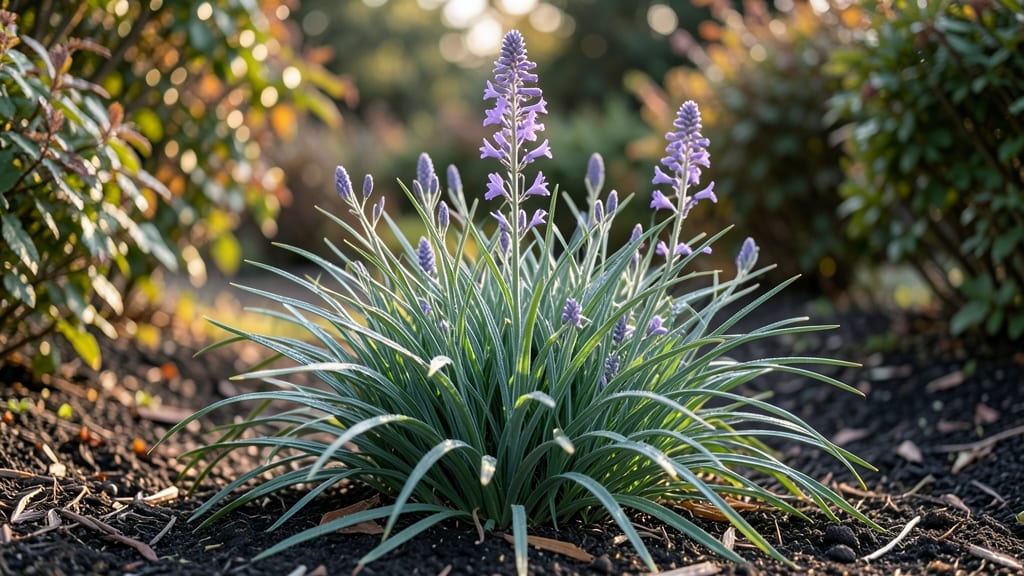
Liriope blooms in late summer to early fall 🌿, but the exact timing depends on your USDA zone and a few key growing conditions.
If you’ve planted liriope (also called monkey grass or lilyturf) for its striking purple spikes, you know how disappointing it can be when they fail to bloom on schedule—or at all.
But timing is everything, and understanding your USDA hardiness zone can unlock the secret to reliable, vibrant blooms every year.
In Zone 6, like where I garden, the purple flower spikes typically appear in July, peaking in August before fading by early September. Warmer zones (7–11) see blooms stretching into October, while cooler zones (3–5) may delay until late August.
Below, I’ll break down the bloom calendar by zone, share the most common reasons liriope skips blooming, and reveal simple tricks to extend those purple spikes for weeks longer than usual.
When does liriope bloom? Exact months by USDA hardiness zone
Timing your liriope blooms starts with knowing your USDA hardiness zone. These hardy grasses thrive in Zones 3 through 11, but their bloom windows shift dramatically depending on where you live.
In cooler northern zones, expect late summer blooms, while southern gardeners often see flowers earlier in the season. Understanding these patterns helps you plan for peak purple-spike displays in varieties like 'Big Blue' or 'Silvery Sunlight'.
For most liriope growers, the flowering window spans 4-6 weeks, but exact timing varies by microclimate and elevation. Coastal areas may bloom 2-3 weeks earlier than inland regions, while high-altitude gardens often see delayed blooming.
The key is matching your expectations to your zone’s average last frost date and summer heat patterns.
| USDA Zone | Early Bloom | Peak Bloom | Late Bloom | Varieties |
|---|---|---|---|---|
| Zones 3-4 | Late July | August | Early September | 'Big Blue', 'Munjoy' |
| Zones 5-6 | Early July | July-August | Late August | 'Silvery Sunlight', 'Evergreen Giant' |
| Zones 7-8 | Mid-June | June-July | Early August | 'Variegata', 'Blue Chip' |
| Zones 9-10 | Late May | May-June | July | 'Roemer's Rainbow', 'Tiny Dancer' |
| Zone 11 | April | April-May | June | All varieties |
In Zones 3-4, liriope typically blooms late July through early September, aligning with cooler summer temperatures. Varieties like 'Big Blue' thrive here, producing vibrant purple spikes that contrast beautifully against snowy foliage.
I’ve seen these plants in Minnesota gardens push through frost to bloom in September, especially in sheltered microclimates.
Gardeners in Zones 5-6 enjoy earlier blooms, with flowers appearing as early as mid-June and lasting through August. The 'Silvery Sunlight' variety is a standout here, offering silvery-blue foliage paired with lavender flower spikes.
In my Ohio garden, this variety often blooms 2 weeks earlier than 'Big Blue'.
Southern growers in Zones 7-10 experience spring blooming, with flowers emerging as early as late May. The 'Variegata' variety, with its striped foliage, is particularly eye-catching in these zones.
I’ve noticed that coastal areas like Georgia or Florida often see blooms 3-4 weeks earlier than inland regions due to warmer microclimates.
For Zone 11 gardeners, liriope blooms year-round in ideal conditions, with peak flowering from April to June. This makes it a reliable perennial for tropical landscapes. Even in Hawaii or Southern California, liriope rarely skips a season, producing continuous blooms when given consistent moisture.
If your liriope isn’t blooming on schedule, check your light exposure—most varieties need <
Why your liriope isn’t blooming: 5 common causes & fixes
If your liriope is putting out lush foliage but skipping the purple flower spikes you love, don’t panic—it’s often fixable! This hardy plant thrives on routine, and small tweaks can trigger those late-summer blooms.
The key is understanding what your liriope truly needs to shift from foliage mode to flowering mode.
First, check your light conditions. Liriope tolerates shade but needs 4–6 hours of sunlight daily to bloom reliably. If your plants are tucked too far under trees or in deep shade, they’ll focus energy on leaves instead of flowers.
Even partial shade can work, but morning sun exposure is ideal for triggering blooms.
5 Fixes to Trigger Liriope Blooms
- Light Boost: Move plants to 4+ hours of sunlight (east-facing spots work best).
- Soil pH: Test and amend to 6.0–7.0 (lime raises pH; sulfur lowers it).
- Fertilizer: Use balanced 10-10-10 in spring and early summer.
- Pruning: Cut back dead foliage in early spring to redirect energy.
- Watering: Deep soak once weekly (drought stress delays blooms).
Next, your soil pH might be the culprit. Liriope prefers neutral to slightly acidic soil (pH 6.0–7.0). Test your soil with a kit—if it’s too alkaline (high pH), add sulfur or peat moss to lower it.
Conversely, if your soil is too acidic, a sprinkle of lime can help. Healthy soil pH ensures nutrients are available for flowering.
Over-fertilizing is another sneaky bloom blocker. While liriope needs nutrients, too much nitrogen (like in lawn fertilizer) promotes leafy growth at the expense of flowers. Switch to a balanced fertilizer (10-10-10) in early spring and summer, and avoid heavy feeding after mid-July.
Think of it as a "bloom trigger" rather than a leafy-green booster.
Don’t overlook pruning habits. If you’re not cutting back dead or yellowed foliage in early spring, your liriope may waste energy maintaining old growth. Use sharp shears to trim 1/3 of the oldest leaves before new growth starts.
This refreshes the plant and signals it’s time to focus on flower production.
Finally, watering inconsistencies can delay blooms. Liriope is drought-tolerant once established, but uneven watering (like drought followed by sudden soaking) stresses the plant. Aim for deep, infrequent watering—about 1 inch per week. Mulch around the base to retain moisture and keep roots cool, which encourages blooming.
With these fixes, your liriope should reward you with vibrant purple spikes by late summer. Start with one or two adjustments, monitor progress, and soon you’ll have a blooming border that steals the show! 🌿