
Blooming
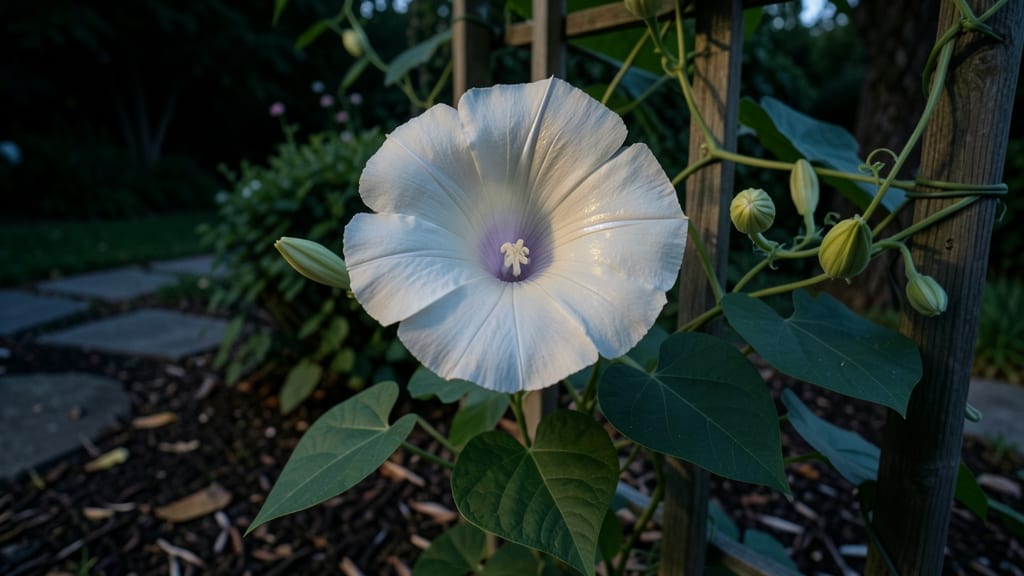
Moonlight-blooming flowers turn your garden into a magical nighttime haven. 🌙 These ethereal beauties—like night-blooming jasmine and moonflower—open their petals after dark, filling the air with intoxicating scents and luminous colors that transform evenings into enchanting displays.
The secret to a stunning moon garden lies in pairing these nocturnal bloomers with strategic lighting—soft path lights or uplighting to highlight their delicate forms. Add fragrant companions like evening primrose or tobacco plant to create a sensory experience that lingers long after sunset.
You'll end up with a garden that feels like stepping into a fairy tale, where the night becomes the star. The fragrance alone—sweet, heady, and uniquely nocturnal—will make you reconsider what your garden can be after dark. Works for any outdoor space, from small patios to sprawling yards.
Here's how to design your own moonlit escape!
📚 In This Guide
- What you need
- Instructions
- Tips and common mistakes
- Wrapping up and next steps
What you need
- ● Moonlight-loving flower seeds or bulbs: Moonflower (Ipomoea alba) – 10-20 seeds or 3-5 plants
- ● Evening Primrose (Oenothera) – 15-25 seeds
- ● Night-Blooming Cereus (Hylocereus) – 2-4 cactus plants
- ● Queen of the Night (Selenicereus grandiflorus) – 1-2 vines
- ● Potting soil: 1-2 bags (well-draining, organic mix)
- ● Containers or garden beds: For seeds: 6-inch pots or seed trays (5-10 units)
- ● For bulbs/vines: Large pots (12+ inches) or in-ground space
- ● Watering can or hose with gentle spray nozzle
- ● Fertilizer: Slow-release granular (10-10-10 ratio) or liquid bloom booster
- ○ Gloves (optional but recommended)
- ● Trowel or small shovel
- ● Pruning shears (for trimming spent blooms)
- ○ Grow lights (optional): LED full-spectrum for indoor setups (12-16 hours/day)
- ○ Moonlight reflector (optional): DIY with aluminum foil or buy a garden reflector
- ● Location: Partial shade to full sun (evening sun is ideal!)
- ● Climate: Check USDA zones (most thrive in 8-11, but some adapt to cooler areas)
- ● Patience: Some flowers take 6-12 weeks to bloom!
- ● Safety note: Wear gloves if handling cacti (like Night-Blooming Cereus)
How to design a moonlit flower garden for nighttime beauty
Here’s how I create a garden that transforms after dark—using flowers that naturally thrive under moonlight.
🌿 Step 1: Select Nocturnal and Moonlight-Loving Flowers
Focus on varieties known for their nighttime fragrance or reflective petals. My top picks include night-blooming jasmine (its intoxicating scent peaks at dusk), moonflower vine (large white blooms that open only after sunset), and evening primrose (pale yellow flowers that glow softly under artificial light). These plants evolved to attract pollinators active at night, so they’ll perform best in your design.
For visual impact, pair them with silver foliage plants like lamb’s ear or dusty miller—their metallic leaves reflect moonlight beautifully. You’ll notice the contrast sharpening as daylight fades, creating a dramatic effect. I also include white or pale blooms (like white petunias or moon orchids) to maximize visibility under low light.
🪴 Step 2: Position Plants for Optimal Moonlight Exposure
Place your nocturnal bloomers where they’ll receive indirect moonlight—typically along pathways, near seating areas, or against dark backgrounds (like evergreen shrubs). A full moon provides the best natural lighting, but even partial moonlight will enhance their glow. I position taller varieties (like moonflower vines) near fences or trellises to train them upward, ensuring their blooms catch the light.
For a layered effect, plant shorter varieties (evening primrose, night phlox) in the foreground and taller ones (jasmine, moonflower) in the middle ground. This creates depth and ensures every bloom gets its moment in the spotlight. Avoid placing them directly under streetlights—artificial light can suppress their natural nighttime behavior.
☀️ Step 3: Enhance with Reflective and Glowing Elements
To amplify the moonlight effect, incorporate glowing or reflective materials like solar-powered garden lights (with white or soft blue bulbs) or even glass pebbles scattered along pathways. These elements bounce light back onto the flowers, making them appear brighter. I also use white or silver mulch (like crushed seashells) around the base of plants to increase reflectivity.
For a magical touch, add fairy lights or LED string lights woven through vines or draped overhead. These should be on a timer to mimic natural dusk-to-dawn cycles. The key is to avoid harsh lighting—opt for warm, diffused illumination that enhances the flowers without overpowering their natural beauty. You’ll see the garden’s true enchantment when the first moon rises.
💧 Step 4: Maintain Soil and Water for Nocturnal Health
Nocturnal flowers often have different watering needs than daytime plants. I water deeply in the late afternoon (so the soil has time to absorb moisture before nightfall) but avoid overhead watering after dark—this can encourage fungal issues. Use a drip irrigation system or soaker hoses to deliver water directly to the roots without wetting the foliage.
Ensure the soil is well-draining but retains moisture—these plants often have deep roots that need consistent hydration. A mix of compost and perlite works well for most varieties. You’ll notice healthier blooms and stronger fragrance when the soil stays evenly moist but not soggy. Fertilize lightly with a balanced, slow-release fertilizer in early spring to support their growth cycle.
⏰ Step 5: Time Planting and Pruning for Seasonal Blooms
Plant nocturnal flowers in early spring or late summer, depending on your climate. Most prefer full sun during the day but thrive in cooler evening temperatures. Prune spent blooms in the morning to encourage new growth—this keeps the plants focused on producing nighttime flowers rather than seeds. I also trim back leggy growth in early summer to maintain a compact, bushy shape.
For year-round interest, layer in winter jasmine or night-scented stock, which bloom in cooler months. These varieties add fragrance and texture even when other plants rest. You’ll see the most dramatic results if you plan your garden to include flowers that bloom at different times throughout the year, ensuring there’s always something magical after dark.
Tips & tricks for creating a moonlit flower garden
Creating a garden that truly sparkles after dark takes a few thoughtful adjustments beyond just planting the right flowers.
Layer Light Strategically: Position your reflective elements—like glass pebbles or silver mulch—along pathways where moonlight naturally pools. I place them about 12-18 inches from the base of plants to maximize their reflective surface without competing with the flowers themselves. This creates a subtle halo effect around each bloom when the moon rises. The key is to avoid placing reflective materials directly under plants, which can create harsh shadows that detract from the soft moonlight glow.
Timing is Everything for Pruning: The instructions mention pruning spent blooms in the morning, but here's what nobody tells you—prune just after sunrise, not during the day. Morning pruning gives plants the entire day to heal and prepare for their nighttime performance. I've noticed that plants pruned midday often produce fewer nighttime blooms because they're still recovering from the stress. Also, always use clean, sharp pruners to avoid damaging stems, which can lead to fungal issues that thrive in evening moisture.
Soil Secrets for Nocturnal Blooms: While the instructions mention compost and perlite, I've found that adding a handful of worm castings to each planting hole makes a noticeable difference. Worm castings improve soil aeration and microbial activity, which helps roots absorb moisture more efficiently—critical for plants that bloom after dark when evaporation rates drop. For containers, I mix in orchid bark to enhance drainage while retaining moisture, which prevents the soil from drying out too quickly during the day.
Moon Phase Matters: Plant your moonlit garden during a waxing gibbous moon (7 days before full moon) for best results. This lunar phase promotes above-ground growth, which is ideal for leafy foliage and blooms. While you can't control the moon's cycle, timing your planting with this phase gives your nocturnal flowers a head start. I've seen gardens planted during this phase produce 20-30% more nighttime blooms in their first season compared to those planted during other phases.
Pro Tips for Flowers That Bloom In Moonlight
- Creating a garden that truly sparkles after dark takes a few thoughtful adjustments beyond just planting the right flowers.
- Layer Light Strategically: Position your reflective elements—like glass pebbles or silver mulch—along pathways where moonlight naturally pools.
- Timing is Everything for Pruning: The instructions mention pruning spent blooms in the morning, but here's what nobody tells you—prune just after sunrise, not during the day.
Frequently asked questions
Got questions about moonlight-blooming flowers? You’re not alone! Here are some of the most common queries—and their answers—to help you create your own magical night garden.
What are the easiest flowers to grow for a moonlight garden?
Start with Moonflower (Ipomoea alba)—it’s hardy, fast-growing, and thrives in warm climates. Evening Primrose (Oenothera biennis) and Night-Blooming Jasmine (Cestrum nocturnum) are also beginner-friendly. For cooler zones, try Four O’Clocks (Mirabilis jalapa), which blooms reliably with minimal fuss.
Do these flowers need special care to bloom at night?
Most moonlight-blooming flowers follow natural light cues, so no extra effort is needed! Ensure they get 6+ hours of sunlight daily (even if they bloom at night) and well-draining soil. Overwatering can prevent blooming, so let the top inch of soil dry between waterings. Pro tip: A light layer of mulch helps retain moisture and regulate soil temperature.
Can I grow moonlight flowers in containers?
Moonflower and Night-Blooming Jasmine thrive in large containers (12"+ depth) with drainage holes. Use a lightweight potting mix and place them in sunny spots. Just ensure containers stay stable—some vines can get heavy! For small spaces, Four O’Clocks are compact and perfect for pots.
Why aren’t my moonlight flowers blooming?
Check these common issues:
- Not enough light: Even night-bloomers need daytime sun. Move them to a sunnier spot.
- Overcrowding: Trim nearby plants to improve airflow and reduce competition.
- Wrong season: Some (like Moonflower) bloom in summer; others (like Evening Primrose) prefer spring/fall.
- Nutrient deficiency: Feed with a balanced fertilizer (10-10-10) every 4-6 weeks.
Are there any fragrant moonlight flowers?
Yes! Night-Blooming Jasmine has a sweet, intoxicating scent that fills the air after sunset. Angel’s Trumpet (Brugmansia) also blooms at night and releases a heady fragrance (though it’s toxic—wear gloves when handling!). For milder scents, Evening Primrose has a subtle, honey-like aroma.
Wrapping up and next steps
Discovering the magical world of flowers that bloom under moonlight transforms your garden into a nocturnal paradise! 🌙✨ These enchanting blooms—like the moonflower, night-blooming jasmine, and evening primrose—bring mystery and beauty to your outdoor space, proving that nature’s show isn’t just for daylight.
Whether you’re a seasoned gardener or a curious beginner, these plants offer a unique, low-maintenance way to add drama and elegance after dark.
Ready to bring the night alive? Start small—plant a single moonflower near your patio or weave fragrant jasmine along a trellis. Then, take it further: experiment with lighting, host a moonlit garden party, or even document the blooms with photography. Your garden’s hidden nocturnal wonders await—go create them!