
Blooming
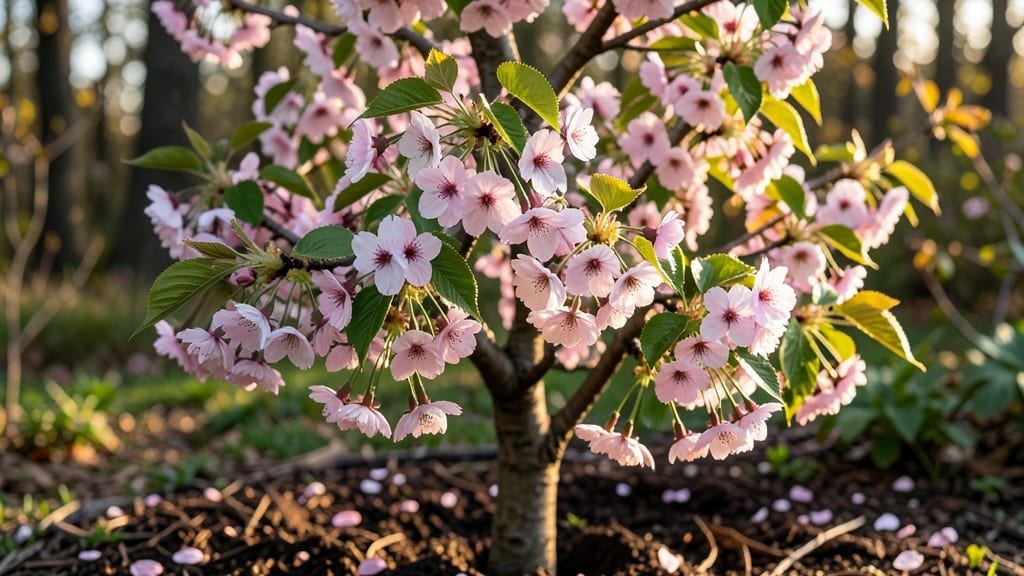
Predicting your cherry tree 🌸 bloom time means knowing whether your tree is a late April showstopper or an early-May stunner — and it all starts with the variety you’ve chosen.
Picture this: You’ve waited years for that first burst of pink or white blossoms, only to wonder why your neighbor’s tree is already in full bloom while yours is still bare.
The truth? Bloom timing isn’t just about luck — it’s a mix of genetics, climate, and a few simple gardening tweaks you can control.
From sweet Bing cherries to ornamental Kwanzan varieties, each type has its own schedule, and your hardiness zone can shift that window by weeks. Throw in frost risks and pruning mistakes, and you’ve got a recipe for missed blooms — or worse, no flowers at all.
In this guide, I’ll break down exactly when to expect flowers by variety, how your local climate plays a role, and the pro tips to nudge your tree into blooming right on schedule — no guesswork required.
Cherry tree bloom time by variety: when to expect flowers
If you’ve ever dreamed of waking up to a cherry tree in full bloom, you know the magic happens in early spring. But here’s the catch: bloom timing varies wildly by variety—some burst into color in late winter, while others wait until May.
Understanding these differences helps you plan pruning, protect against frost, and even predict fruit harvests. Let’s break down the bloom windows for popular cherry varieties, including sweet cherries, tart cherries, and ornamental types.
Most cherry trees need 200-1,000 hours of chilling (temperatures below 45°F) to trigger blooms. This means cooler climates (like USDA Zones 5-7) often see earlier blooms than warmer zones.
For example, a Stella cherry in Zone 5 might bloom in mid-April, while the same tree in Zone 8 could wait until May. Leaf emergence also signals bloom time—buds swell 2-4 weeks before flowers appear, so keep an eye on those pinkish-green tips!
Below, I’ve organized cherry varieties by bloom season: early, mid, and late. This helps you match your tree to your local frost dates and avoid late-spring freezes that can ruin blossoms.
Pro tip: Ornamental cherries like Kwanzan often bloom 1-2 weeks earlier than fruit-bearing varieties, making them great for early spring color.
| Variety Type | Common Varieties | Bloom Season | Leaf Emergence | Frost Risk | Key Notes |
|---|---|---|---|---|---|
| 🌸 Early Bloomers | Stella (Tart) | Late March–Early April | 2 weeks before blooms | ❄️ High (Zone 5-6) | Self-pollinating; crack-resistant fruit |
| Kwanzan (Ornamental) | Mid-April | 3 weeks before blooms | ❄️ Moderate (Zone 5-8) | Pink double blooms; no fruit | |
| Montmorency (Tart) | Early April | 1-2 weeks before blooms | ❄️ High (Zone 4-6) | Needs cross-pollination; tart flavor | |
| 🌺 Mid-Season Bloomers | Bing (Sweet) | Mid-April–Early May | 3 weeks before blooms | ❄️ Moderate (Zone 5-7) | Popular dark red sweet cherry |
| Rainier (Sweet) | Late April | 2-3 weeks before blooms | ❄️ Moderate (Zone 6-8) | Yellow-red skin; needs pollinator | |
| Shirofugen (Ornamental) | Early May | Pink buds appear first | ❄️ Low (Zone 6-9) | Dwarf variety; prolonged blooms | |
| 🌷 Late Bloomers | Lapins (Sweet) | Late April–Early May | 4 weeks before blooms | ❄️ Low (Zone 6-9) | Self-pollinating; crack-resistant |
| Black Tartarian (Tart) | Early May | 3 weeks before blooms | ❄️ Low (Zone 4-7) | Dark purple fruit; late-season harvest | |
| Okame (Ornamental) | Mid-May | Pink buds appear early | ❄️ Very Low (Zone 6-10) | Dwarf habit; long bloom season |
Now that you’ve matched your cherry variety to its bloom window, here’s how to use this info: Early bloomers (like Stella) need frost protection if late freezes threaten. Mid-season varieties (like Bing) often align with peak pollinator activity, while late bloomers (like
How hardiness Zone & climate affect cherry tree bloom timing
Your cherry tree’s bloom timing isn’t just about the calendar—it’s a delicate dance between hardiness zones, temperature fluctuations, and chilling hours. A tree in Zone 5 might burst into blossoms by late April, while its Zone 8 counterpart waits until early May.
Why the difference? It’s all about how long your tree needs to rest in winter and when it “wakes up” in spring.
Cherry trees rely on chilling hours—the total number of hours below 45°F (7°C) during dormancy—to trigger blooming. A Zone 5 tree might need 800-1,200 hours, while a Zone 8 tree could require 300-500 hours.
Too few chilling hours? Your tree might bloom late—or not at all. Meanwhile, frost risk after buds swell can turn stunning blossoms into sad, wilted petals overnight.
Here’s how your hardiness zone and local climate shape bloom timing, plus a quick checklist to predict when your tree will put on its spring show:
| Zone | Avg. Bloom Window | Chilling Hours Needed | Frost Risk | Pro Tip |
|---|---|---|---|---|
| 3-4 | Late April - Early May | 1,000-1,400 hrs | High (late frosts) | Plant cold-hardy varieties like Montmorency. |
| 5-6 | Mid-April - Late April | 800-1,200 hrs | Moderate (watch for April frosts) | Use frost cloth if buds swell early. |
| 7-8 | Early May - Mid-May | 300-500 hrs | Low (but heat waves can stress trees) | Choose low-chill varieties like Stella. |
| 9-10 | Late April - Early May | 200-400 hrs | Minimal (but watch for late frosts) | Mulch heavily to protect roots in winter. |
Temperature swings also play a role. A sudden warm spell in Zone 6 can trick your tree into blooming early, only to be zapped by a late frost. To mitigate this, monitor your local National Weather Service forecasts and use frost protection like row covers if buds begin to swell before your last frost date.
For ornamental cherries like Kwanzan, bloom time is often tied to leaf emergence. These trees typically bloom before leaves appear, creating a stunning contrast. In contrast, fruit-bearing varieties like Bing or Rainier may bloom slightly later, around the same time as leaf buds swell.
Timing matters here too—late bloomers avoid early frost damage but may face late-season pests.
Your best bet for predicting bloom time? Start with your hardiness zone, then adjust for local microclimates. A tree planted in a sunny, sheltered spot might bloom 1-2 weeks earlier than one in a windy, shaded area.
Keep a garden journal to track your tree’s patterns year after year—soon, you’ll be predicting those pink clouds like a pro! 🌸