
Flowers
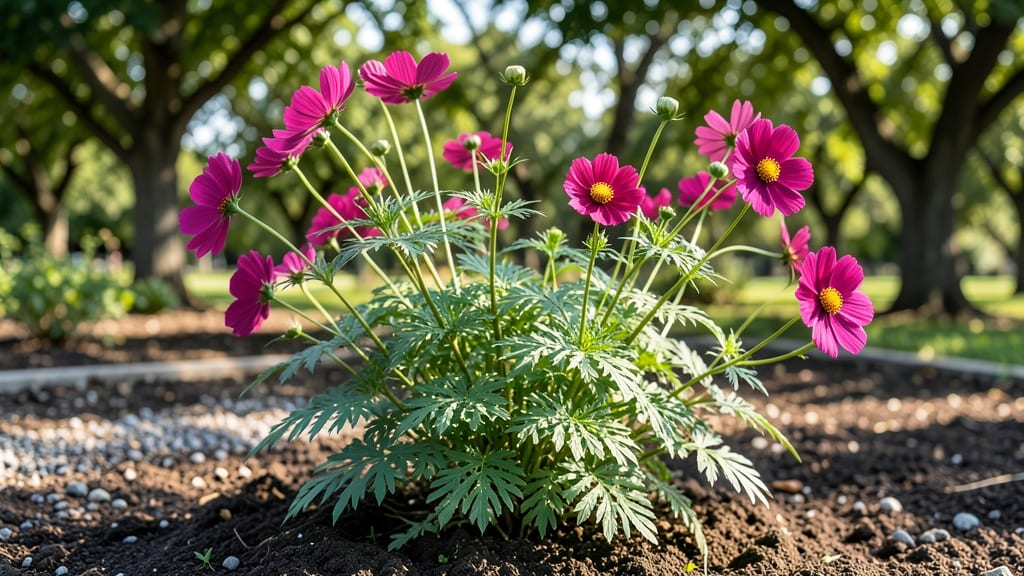
The cosmos flowers bloom time stretches from summer through fall, turning your garden into a nonstop splash of color that lasts until the first frost.
If you love vibrant, low-maintenance flowers that thrive with minimal fuss, cosmos are your perfect garden superstars—but timing is everything. Knowing the exact bloom windows for each variety ensures your garden stays colorful all season long.
In USDA Zone 6a, most cosmos varieties kick off their show in July and keep going until October, with some early bloomers like 'Bright Lights' starting as early as June if planted right.
The key to extending that bloom time? A few simple tricks, like deadheading spent blooms and choosing the right companions.
Below, I’ll break down the exact bloom months for popular varieties, how to push your cosmos to flower longer, and which plants pair best for a season-long display. Ready to turn your garden into a summer-to-fall spectacle?
Cosmos bloom time by variety: exact months for peak color
If you're dreaming of a garden bursting with cosmos blooms from early summer to frost, timing your planting is key. Each variety has its own peak bloom window, and understanding these patterns helps you create a continuous color show.
Whether you're in USDA Zone 5 or Zone 10, I'll break down exactly when to expect those vibrant blooms for popular cosmos types.
Cosmos are famous for their long bloom seasons, but their exact timing varies by variety. Some start early in June, while others peak in September or even October.
The secret to nonstop color? Planting a mix of early-, mid-, and late-season performers. Let's dive into the specifics so you can plan your garden like a pro.
🌼 Variety | Peak Bloom Months (USDA Zones 5-10) | Notes | --- | --- Sensation Mix | July - September | Early bloomer, 2-3 ft tall Bright Lights | August - October | Mid-season, 3-4 ft, bold colors Double Click | July - October | Continuous blooms, 2-3 ft, double flowers Seashells | August - October | Late-season, 3-5 ft, delicate petals
For USDA Zone 5 gardeners, expect blooms to start 2-3 weeks later than in warmer zones. In Zone 10, cosmos often bloom earlier and longer, sometimes until November if frost is delayed.
The key is planting at the right time—after your last frost date—and providing full sun exposure.
Sensation Mix is my go-to for early color, often bursting into bloom by mid-July in most regions. This variety thrives in well-draining soil and loves hot summer days. Its pink, white, and red flowers create a cheerful display that attracts pollinators. I've seen it continue blooming until early September in Zone 7.
Bright Lights lives up to its name with deep magenta and chocolate blooms. It typically peaks in August and keeps going strong through October. This variety is perfect for cut flower arrangements and adds drama to any garden. In Zone 8, I've had it bloom until mid-November with proper care.
Double Click is a showstopper with its double-layered blooms that resemble pom-poms. These start blooming in late July and continue through October, making them ideal for long-lasting color. They're also drought-tolerant once established, which is a huge plus for low-maintenance gardens.
If you love delicate, shell-like blooms, Seashells is the variety for you. It typically peaks in August and continues through September, often lasting longer in cooler coastal climates. This variety reaches 3-5 feet tall, making it perfect for back-of-border plantings or cut flower gardens.
To extend bloom time, I recommend deadheading spent blooms regularly. This simple task encourages new flower production and can add 4-6 weeks to your cosmos' bloom season. Additionally, planting cosmos in succession—every 2-3 weeks—ensures a continuous display from July to frost.
For USDA Zone 5 gardeners, consider starting seeds indoors in March to give your cosmos a head start. In warmer zones (7-10), direct sowing after April 15 works beautifully. The key is to plant when soil temperatures reach at least 60°F for optimal germination and growth.
Remember, cosmos are drought-tolerant once established, but they do best with regular watering during their first few weeks. Once they're growing strong, you can reduce watering frequency to once a week or less, depending on rainfall. This hardiness makes them perfect for xeriscaping or low-water gardens.
With these bloom time guidelines, you can create a garden that stays vibrant from summer to fall. Mix and match varieties to ensure continuous color, and don't forget to enjoy those fresh-cut blooms in bouquets all season long! 🌼
How to extend cosmos bloom time: pro tips for longer flowering
Cosmos flowers are famous for their effortless charm, but did you know you can stretch their bloom season by up to 6 weeks? With the right techniques, your cosmos can keep flowering from early summer all the way until frost.
The key lies in delaying initial blooms, encouraging reblooming, and protecting them from early cold snaps.
First, focus on soil health—cosmos thrive in well-draining, nutrient-rich soil. Amending your beds with compost or aged manure before planting gives them the energy to produce more blooms over time. I also recommend avoiding heavy fertilizers, as cosmos prefer leaner conditions that promote flowering over foliage growth.
- 1. Strategic Deadheading – Remove spent blooms daily using clean pruners. This redirects energy to new flower production instead of seed formation.
- 2. Delay First Blooms – Pinch back new growth by 1/3 when plants reach 6 inches. This forces bushier growth and delays initial flowering by 2-3 weeks.
- 3. Companion Planting – Pair cosmos with basil or marigolds to deter pests and improve airflow, reducing stress that can shorten bloom time.
- 4. Mulch Heavily – Apply 2-3 inches of mulch to retain moisture and regulate soil temperature, protecting roots from early frost damage.
- 5. Light Fertilizing – Use a low-nitrogen fertilizer (5-10-10) every 4-6 weeks during peak bloom season to sustain flowering without overfeeding.
Don’t forget about watering habits—cosmos are drought-tolerant once established, but consistent moisture during dry spells prevents stress that can cut bloom time short. Water deeply in the early morning to reduce evaporation and fungal risks. I’ve found that drip irrigation works wonders for keeping roots hydrated without wetting foliage.
For late-season protection, consider covering your cosmos with frost cloth when nighttime temperatures dip below 40°F. This simple step can extend blooms by another 2-3 weeks in cooler climates. I’ve used it successfully in USDA Zone 6, where frost often arrives earlier than expected.
Finally, choose reblooming varieties like 'Bright Lights' or 'Double Click' for naturally extended seasons. These types produce continuous blooms with minimal intervention, making them ideal for cutting gardens or container displays. With these tips, your cosmos will stay vibrant well into fall!