
Flowers
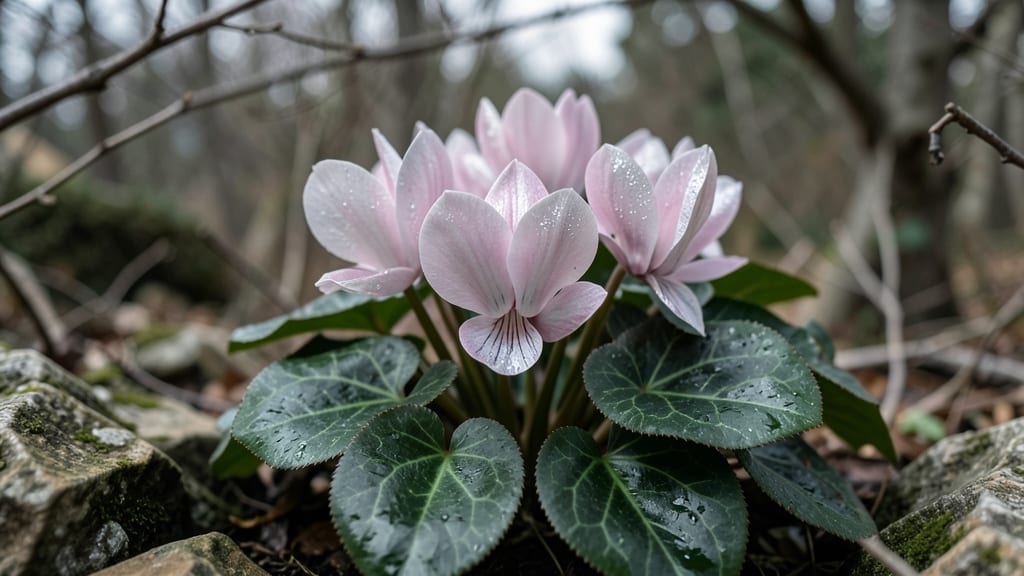
February’s chill doesn’t have to mean dull gardens. These 10 hardy flowers defy winter’s grip, offering vibrant color and fresh life to early-season landscapes—whether you’re a container gardener, border designer, or simply craving a splash of color.
Snowdrops Galanthus Nivalis
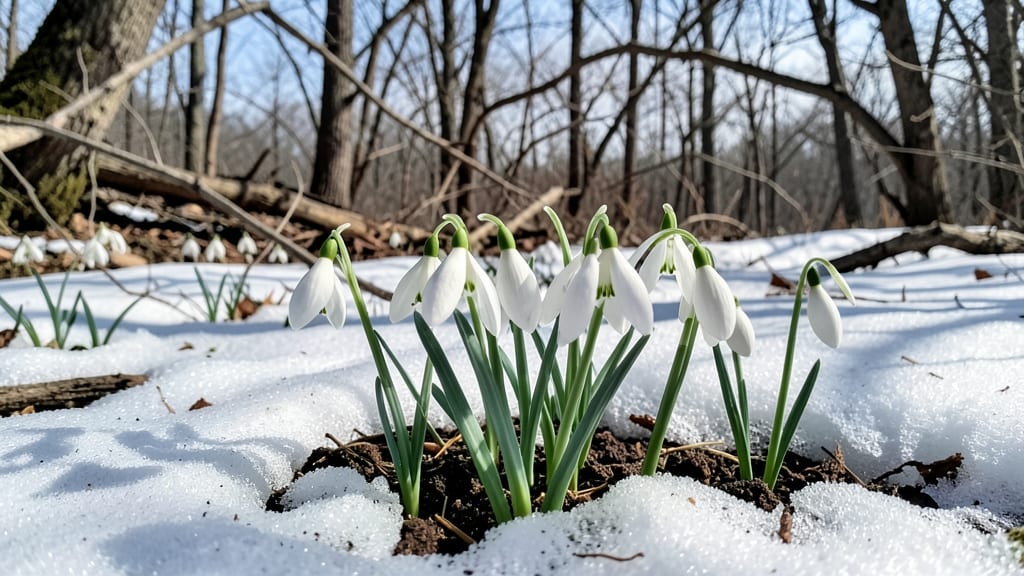
When the world is still wrapped in winter’s icy embrace, snowdrops (Galanthus nivalis) bravely push through the snow to announce spring’s arrival. These delicate white blooms thrive in shade and even snow, making them perfect for woodland gardens or under trees where few other plants dare to grow.
Plant them in well-drained soil with partial to full shade, and they’ll reward you with early February blooms that last for weeks. Snowdrops multiply over time, creating naturalizing drifts that spread effortlessly. Their toxic-free nature makes them safe for pets and children, too.
Ideal for beginners or gardeners with shady spots, snowdrops bring hope and beauty to the darkest corners of winter. 🌱
Winter Aconite Eranthis Hyemalis
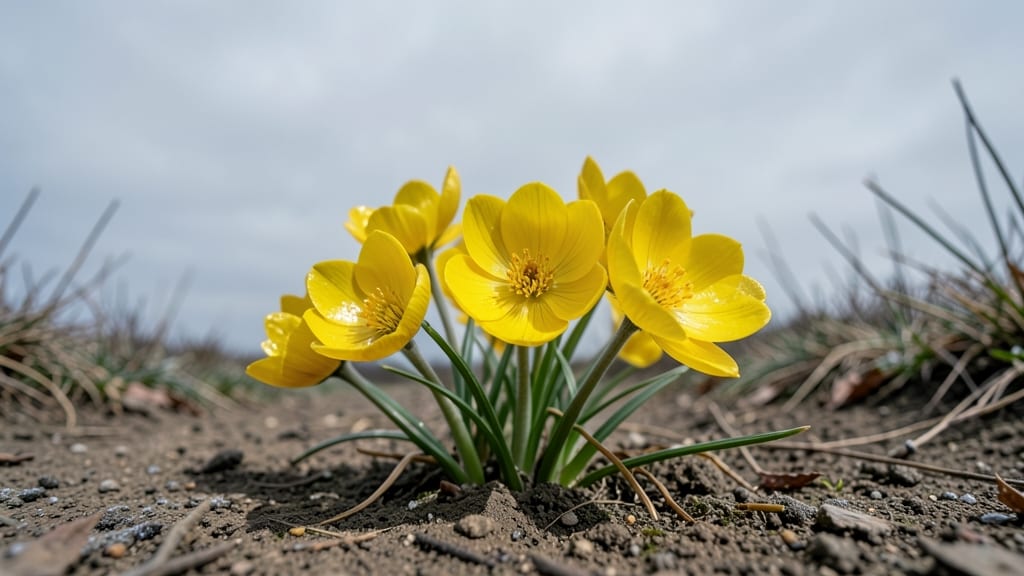
When winter’s gray skies feel endless, winter aconite (Eranthis hyemalis) bursts onto the scene with its bright yellow, cup-shaped blooms—like tiny suns popping up through bare soil. Unlike its shade-loving cousin, snowdrops, this ground cover thrives in full sun, making it the perfect partner for sunny borders, rock gardens, or even container edges where other plants are still dormant.
Plant the tuberous roots in fall (4-6 inches deep) in well-drained soil with morning sun and afternoon shade to prevent scorching. Mulch lightly to protect from late frosts, but avoid heavy layers that could suffocate the delicate stems. Once established, winter aconite spreads slowly, creating a cheerful carpet of color that lasts 3-4 weeks in early spring—long before daffodils or tulips make their debut.
Urban gardeners and rockery enthusiasts will love how winter aconite softens stark winter landscapes with its vibrant hue. Just be mindful: its mildly toxic sap means keeping it away from pets and children. 🌻
Hellebore Lenten Rose
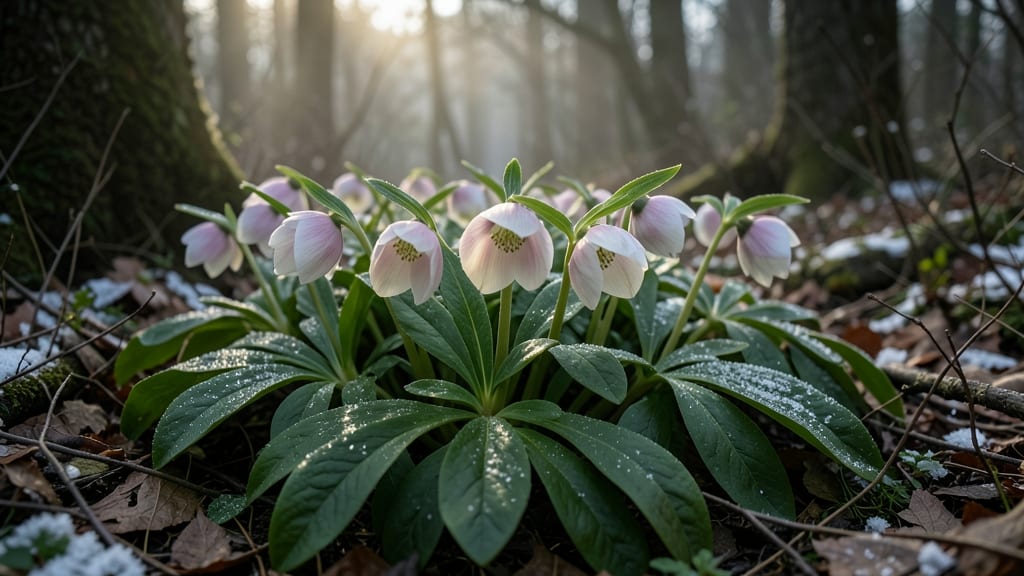
Tired of February’s gloomy corners? The Hellebore Lenten Rose brings life to shady spots with its evergreen foliage and delicate, nodding blooms in pink or white—often appearing when snow still clings to the ground.
This low-maintenance perennial thrives in partial shade, making it perfect for woodland gardens, under trees, or along north-facing walls. Its drought-tolerant roots once established mean fewer watering worries, while deer and rabbits usually leave it alone. Plant in well-drained soil and enjoy blooms from late winter through early spring.
Ideal for gardeners who love year-round interest, hellebores reward patience with their long-lived foliage and cheerful flowers. Perfect for beginners or busy gardeners craving beauty with minimal fuss. 🌱
Crocus Vernus Dutch Crocus
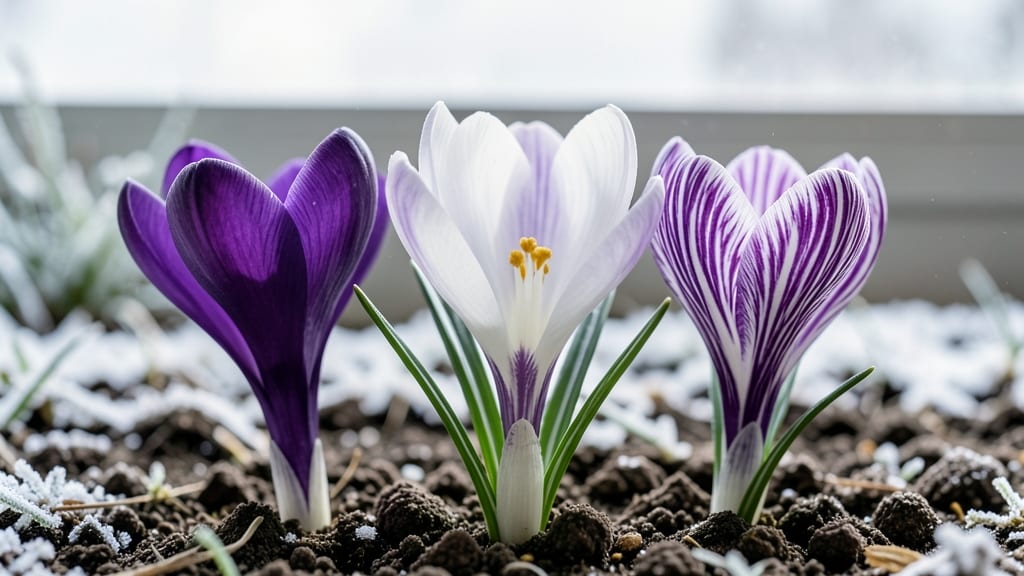
Looking for a flower that brings instant color to your garden—or your windowsill—without demanding much effort? Dutch crocus (Crocus vernus) delivers cheerful purple, white, or striped blooms that pop through snow or frost, often appearing as early as late January or February.
These hardy bulbs thrive in full sun to partial shade and naturalize beautifully, spreading over time to create carpets of color. Plant them in well-drained soil 4-6 inches deep in fall for early spring blooms. For indoor forcing, pot them up in late fall and place in a cool, dark spot until shoots appear—then move to bright light for stunning tabletop displays.
Perfect for beginners, urban gardeners, or anyone who loves low-maintenance beauty, Dutch crocus brightens lawns, meadows, and containers alike. 🌻
Paperwhite Narcissus Narcissus Paperyrus
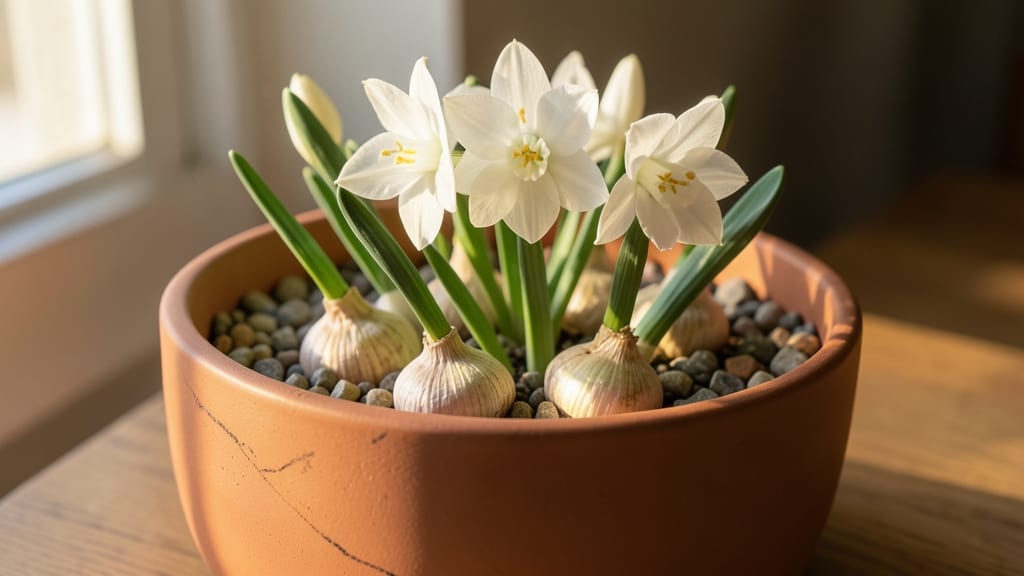
Looking for a fragrant winter brightener that requires almost no outdoor space? Paperwhite narcissus (Narcissus paperyrus) delivers snow-white, sweetly scented blooms that thrive in containers, making them perfect for forcing indoors or placing on patios during chilly months.
These bulbs need just well-draining soil and a cool spot (60-65°F) to bloom in 4-6 weeks, often by February. Their low-maintenance nature means no staking or deadheading—simply plant bulbs in a shallow container, keep the soil moist, and enjoy their cheerful display. The intense fragrance fills small spaces, making them ideal for winter dining tables or cozy corners.
Urban gardeners and beginners will love how these bulbs re-bloom yearly with minimal care, offering a fragrant reward for winter’s gloomiest days. 🌱
Pansy Viola Wittrockiana
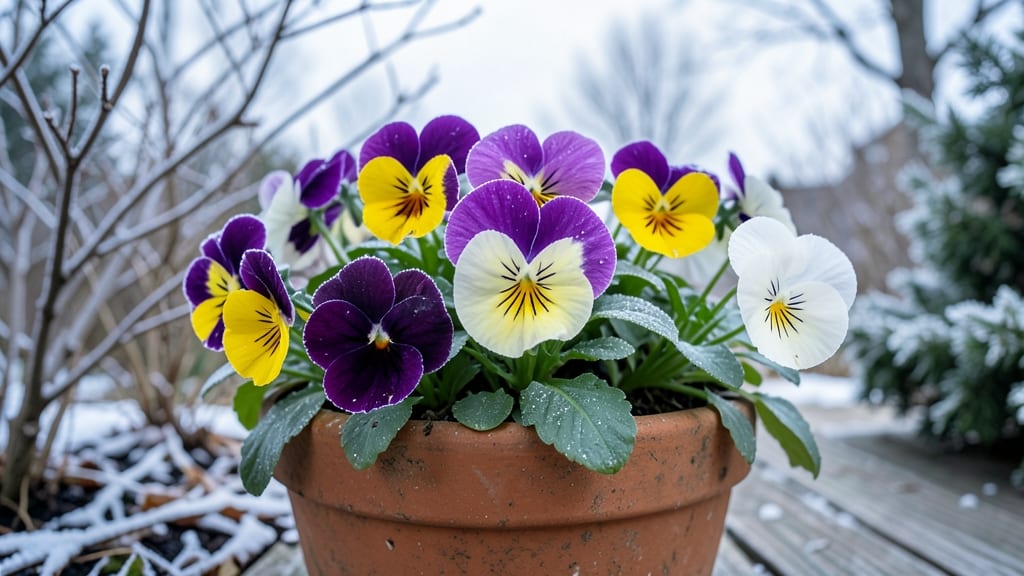
Looking for a February flower that refuses to bow to winter’s chill? Pansies (Viola wittrockiana) deliver bold, cheerful faces in purple, yellow, and white—perfect for brightening borders or containers when little else blooms.
These cold-hardy annuals thrive in temperatures as low as 15°F, making them ideal for early spring planting or fall sowing. Their edible petals add a peppery, slightly sweet flavor to salads, while their long bloom season (from late winter through spring) ensures color for months. Plant them in well-drained soil with morning sun and afternoon shade for best results.
Urban gardeners and edible landscapers will love pansies—they’re low-maintenance, disease-resistant, and even repel pests like squash bugs. Plus, their cheerful faces make them a favorite for kids’ gardens. 🌻
Winter Jasmine Jasminum Nudiflorum
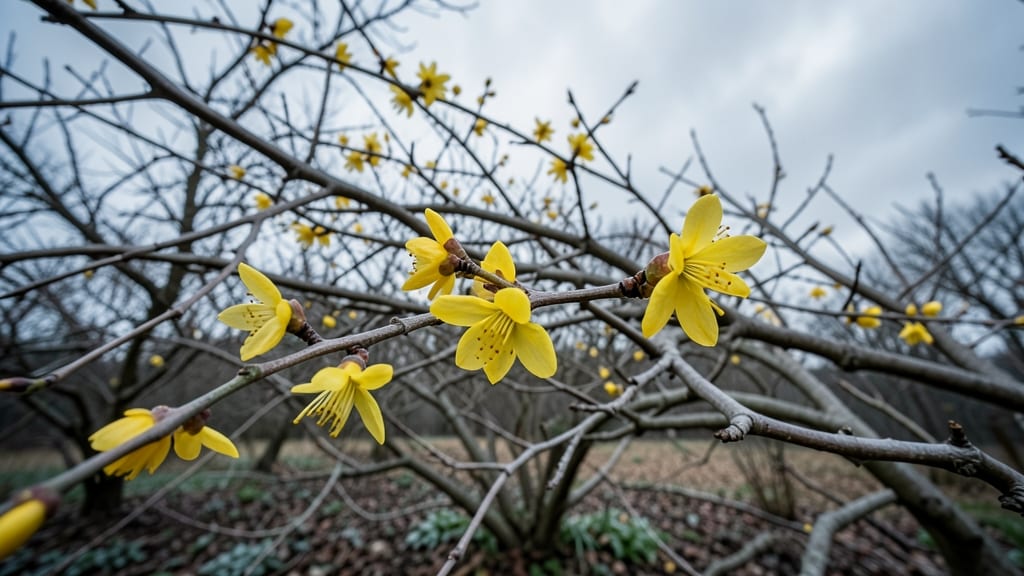
When February’s gray skies leave your garden feeling bare, winter jasmine (Jasminum nudiflorum) steps in with a bold splash of sunshine. This deciduous climber bursts into bloom from late winter through early spring, offering bright yellow flowers that stand out against bare branches—no foliage required.
Plant it against a north-facing wall, fence, or trellis where it thrives in full sun to partial shade. Prune back old stems after flowering to encourage fresh growth, and watch it cascade with cheerful blooms even in chilly temperatures (zones 6-9). Its low-maintenance nature makes it perfect for urban gardens or small spaces where vertical interest is a priority.
Perfect for gardeners who want instant winter color without the fuss of bulbs, winter jasmine delivers months of vertical drama when most plants are still dormant. 🌻
Primrose Primula Vulgaris
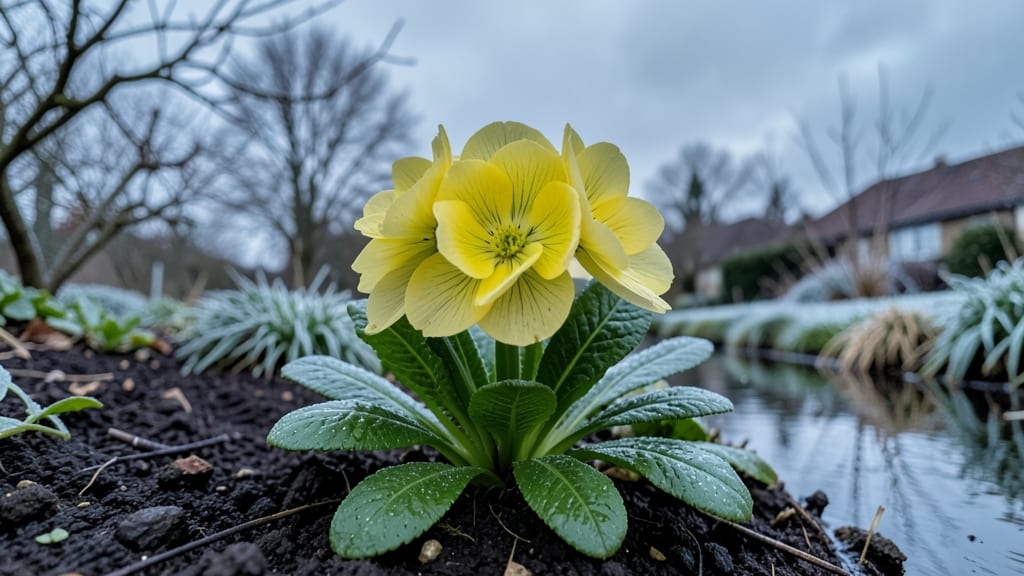
When February’s gray skies feel endless, Primula vulgaris—the classic primrose—steps in with its cheerful, buttery yellow blooms that seem to say, "Spring is coming!" Unlike many early bloomers, this hardy perennial thrives in moist, well-drained soil, making it ideal for cottage gardens, pond edges, or even shady spots where other plants struggle.
What makes primroses especially rewarding is their self-seeding habit, which means you’ll get fresh blooms year after year with minimal effort. They prefer partial shade but tolerate full sun in cooler climates, and their 3-6 inch tall flowers create a lush carpet of color from late winter through early spring. Deadhead spent blooms to encourage more flowers and prevent seed pods from spreading too aggressively.
Perfect for beginners or gardeners with limited space, primroses bring effortless charm to any garden while attracting pollinators like bees and butterflies. Once established, they’re nearly indestructible—ideal for filling gaps in borders or brightening up shady corners. 🌱
Daffodil Galanthus Nivalis Varieties
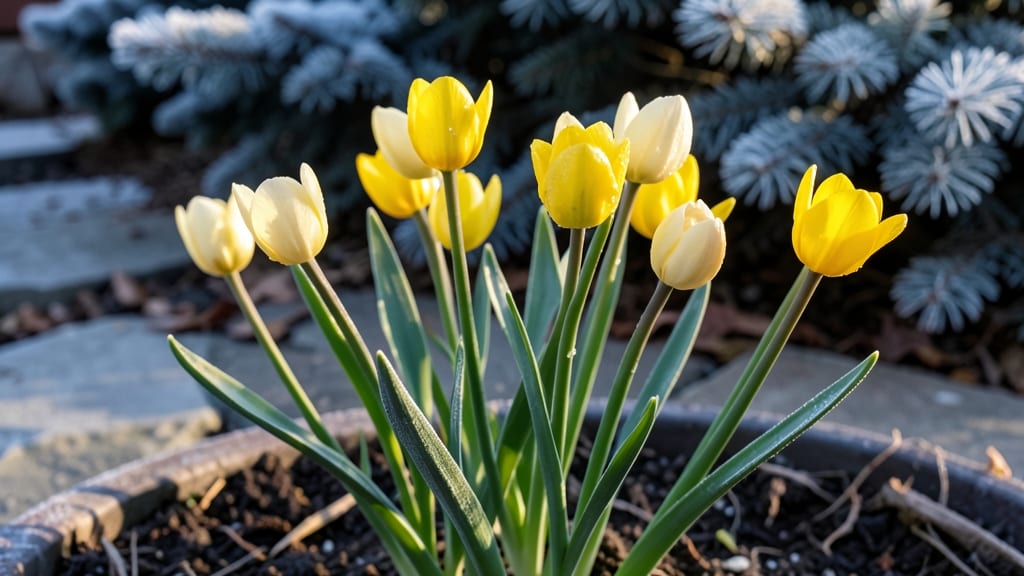
If you crave bold February color that rivals spring’s best, look no further than Galanthus nivalis varieties like ‘Tête-à-Tête’ or ‘February Gold’. These compact daffodils burst into cheerful yellow blooms weeks before traditional daffodils, making them perfect for forcing in pots or brightening front borders when most gardens are still dormant.
Plant bulbs in well-drained soil with full sun (6+ hours daily) in fall for early February blooms. Their fragrant, trumpet-shaped flowers stand out against winter’s muted tones, and they thrive in containers—ideal for patios or forcing indoors. Unlike their larger cousins, these varieties stay compact (6-12 inches tall), making them perfect for edging or small-space gardens.
Beginner gardeners and urban growers will love how these low-maintenance bulbs multiply over time, creating natural drifts of early color. Their pest-resistant nature means fewer worries about deer or rabbits, too. 🌟
Cyclamen Neapolitanum

If you crave a touch of elegance in your February garden without the fuss, Cyclamen Neapolitanum delivers with its silver-marked pink blooms that dance above heart-shaped leaves. Unlike its indoor cousin, this woodland native thrives outdoors in shaded rock gardens or containers, where its delicate flowers add texture and color when few other plants are blooming.
Plant the tuberous roots in well-draining soil with partial to full shade, and water sparingly—overwatering is the only real threat to these drought-tolerant beauties. Their late winter to early spring blooms (February through March) create a stunning contrast against dark foliage or mossy containers. The tubers go dormant in summer, making them perfect for gardeners who prefer low-maintenance perennials.
Ideal for small-space gardeners or those with shady corners, Cyclamen Neapolitanum brings refined beauty with minimal effort—just the right touch to elevate your winter garden. 🌷