
Blooming
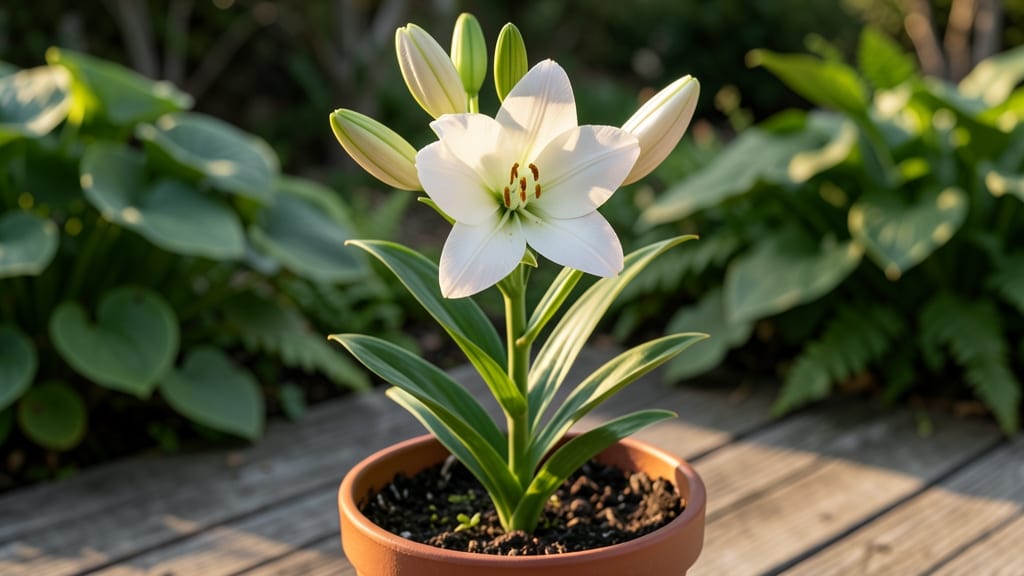
Easter lilies bloom in April and May 🌷 when planted in fall, but the exact timing depends on your zone, sunlight, and a few care tweaks that can shift those flowers weeks earlier or later.
Picture this: you’ve just tucked those bulbs into the soil last October, and now you’re waiting—will they bloom on schedule? The answer lies in your hardiness zone, how much sun they get, and whether you’ve given them the right kickstart to grow.
In Zone 6a, where many gardeners live, Easter lilies typically burst into bloom around mid-April, but in warmer zones like 8 or 9, they might start as early as March. Meanwhile, cooler climates could push blooms into early June if the season drags on.
Below, I’ll break down how to predict your Easter lily’s bloom time, adjust care for faster flowers, and troubleshoot if those buds take their sweet time—or never show up at all.
Easter lily bloom time by USDA hardiness zones: when to expect flowers
Timing your Easter lily blooms starts with knowing your USDA hardiness zone. These stunning white flowers typically bloom 6-8 weeks after planting bulbs in fall, but exact timing shifts dramatically across regions.
In warmer zones like 9-10, you might see blooms as early as late March, while cooler zones like 3-5 often wait until mid-May. Understanding these patterns helps you plan for that showstopping spring display.
Your local climate plays a critical role in bloom timing. Southern gardeners in zones 8-10 enjoy earlier blooms because their longer growing seasons allow bulbs to establish roots sooner. Meanwhile, northern gardeners in zones 3-6 face shorter seasons, delaying blooms until after the last frost.
Even within a single zone, microclimates—like urban heat islands—can shift bloom times by 1-2 weeks.
Here's how to predict your Easter lily bloom time based on your zone, with key factors that influence timing:
Notice how zone 9-10 gardeners get to enjoy Easter lilies nearly 2 months earlier than their zone 3-4 counterparts. This dramatic difference happens because warmer climates allow bulbs to grow roots faster in fall, giving them a head start.
In cooler zones, bulbs often wait until spring warmth triggers growth, delaying blooms until after the last frost.
Your planting timing also affects bloom schedules. In northern zones, plant bulbs 6-8 weeks before frost to ensure roots establish before winter. In southern zones, you can plant as late as November and still get spring blooms.
The key is giving bulbs enough time to root before active growth begins.
Light exposure is another critical factor that shifts bloom timing. Easter lilies need 6+ hours of sunlight daily for optimal flowering, but partial shade can delay blooms by 1-2 weeks. In shady gardens, choose early-blooming varieties like 'White Heaven' to maximize your chances of spring flowers.
Even a south-facing window can help container-grown lilies bloom earlier than those in north-facing beds.
Soil temperature matters just as much as air temperature. Bulbs need soil at 60°F or warmer to break dormancy. In cooler zones, use black plastic mulch or straw mulch to raise soil temps by 5-10°F.
This simple trick can advance bloom times by 10-14 days in marginal climates. The warmer the soil, the faster your lilies will push through those white trumpets of blooms.
Don't forget that container-grown Easter lilies often bloom 1-2 weeks earlier than in-ground plants. Pots warm up faster in spring, giving them a growth advantage.
If you're eager for blooms, try planting bulbs in black containers—they absorb heat and can accelerate growth by up to 3 weeks compared to traditional terracotta pots.
For reliable bloom timing, mark your calendar 6-8 weeks after planting and watch for those first
How light needs and care affect Easter lily bloom time
Your Easter lilies need the right balance of sunlight and care to bloom on time. Too little sun or inconsistent watering can delay those iconic white flowers by weeks. Understanding their needs helps you accelerate blooms or troubleshoot common issues like yellowing leaves or no buds.
Easter lilies thrive with 6+ hours of sunlight daily, but they also tolerate partial shade in hotter climates. The key is finding that sweet spot where they get enough light to grow strong stems but don’t scorch in intense afternoon sun. Morning sun exposure is ideal for most regions.
⚠️ WARNING: Common Mistakes That Delay Blooms
⚠️ Overwatering or Underwatering
Easter lilies need consistent moisture but hate soggy soil. Water deeply once a week (or bi-weekly in cooler months) and always check soil moisture before watering. Yellowing leaves often signal overwatering, while wilted buds mean underwatering.
✅ Fix it: Let top 1-2 inches of soil dry out between waterings. Use well-draining soil with compost added to improve aeration.
Soil conditions play a huge role in bloom timing. Easter lilies prefer rich, well-draining soil with a pH between 6.0 and 7.0. If your soil is too dense or compacted, roots struggle to absorb nutrients, delaying flowering. Amend clay soil with sand or peat moss to improve drainage.
Another critical factor is fertilizer timing. Apply a balanced 10-10-10 fertilizer in early spring when shoots emerge, then again 4-6 weeks later. Avoid fertilizing after blooming, as this encourages foliage growth over flower production. Over-fertilizing can also cause nutrient burn, leading to brown leaf tips.
If your Easter lilies aren’t budding by late spring, check for these common issues:
- No buds: Likely due to insufficient sunlight or late planting.
- Yellow leaves: Overwatering, poor drainage, or nutrient deficiency.
- Leggy stems: Too much shade or inconsistent watering.
Adjust care immediately—Easter lilies are resilient and can recover with the right conditions!
For the fastest blooms, place your Easter lilies in a south-facing spot with morning sun and afternoon shade. Combine this with regular watering and proper soil prep, and you’ll see those stunning white blooms 2-3 weeks earlier than average. Happy gardening!