
Flowers
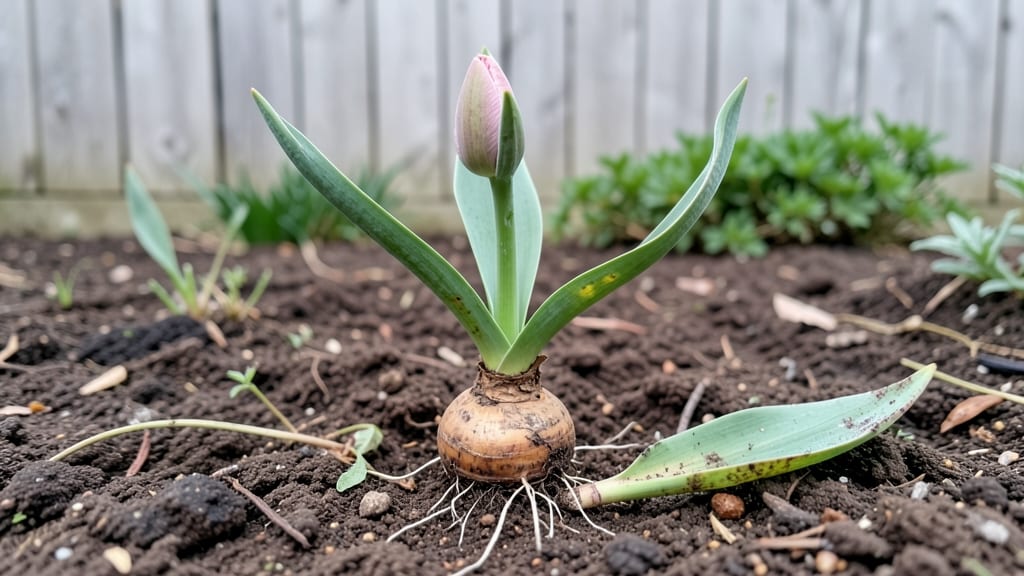
Mastering how to flower identify bulb plants by their leaves is the fastest way to unlock what’s growing in your garden—before the flowers even appear.
Struggling to tell your tulips from your daffodils or identify that mysterious bulb pushing through your garden soil? Visual identification is the first step to understanding—and nurturing—your plants properly.
Most gardeners wait until flowers bloom to recognize a plant, but the leaves often reveal the story weeks earlier. A strappy, sword-like leaf might be a tulip, while broad, grassy blades could signal a daffodil—knowing these clues saves time and keeps your garden thriving.
In this guide, you’ll learn how to spot 50+ common bulb species by their leaf shapes, growth habits, and seasonal timing—plus troubleshooting tips for those tricky hybrids that defy easy answers.
How to identify flower bulbs by shape, size, and leaf patterns
Identifying flower bulbs can feel like solving a puzzle when you're staring at a patch of green shoots or a cluster of blooms. But with a few key visual clues—like bulb anatomy, leaf patterns, and flower shapes—you can narrow down even the trickiest species.
I’ve spent years distinguishing tulips from daffodils and hyacinths from alliums, and these visual cues are my secret weapons.
The first step is understanding the bulb structure. Most bulbs fall into two categories: tunic (like onions, with a papery outer layer) or scaly (like lilies, with overlapping layers). This alone can help rule out half the possibilities.
For example, tulips and daffodils have tunic bulbs, while lilies and fritillaries are scaly. Pair that with leaf shape—strappy, broad, or variegated—and you’re already narrowing it down.
Next, observe the flower shape. Is it cup-shaped (like hyacinths), bell-like (like grape hyacinths), or flat-faced (like crocuses)? These distinctions are often the final clue. For instance, a flat-faced flower with six petals is almost always a crocus, while a bell-shaped bloom on a tall stem points to allium.
Combine these traits with the seasonal timing of blooms, and you’ll have a foolproof ID system.
Here’s a quick reference to get you started. The summary table below breaks down the most common bulb types by their key visual traits, so you can match what’s growing in your garden to the right species.
🌱
| Bulb Type | Leaf Pattern | Flower Shape | Bulb Structure | Common Species |
|---|---|---|---|---|
| Tunic | Long, strappy, or broad | Cup-shaped or flat-faced | Papery outer layer | Tulips, Daffodils, Hyacinths |
| Scaly | Sword-like or variegated | Bell-like or star-shaped | Overlapping layers | Lilies, Fritillaries, Alliums |
| Tuberous | Large, glossy leaves | Tubular or trumpet-shaped | Thick, fleshy roots | Dahlias, Begonias, Caladiums |
| Corms | Strap-like or pleated | Flat or spider-like | Solid, no layers | Crocuses, Gladiolus, Freesias |
| Rhizomes | Long, horizontal stems | Clusters or spikes | Thick, underground stems | Iris, Canna, Ginger |
Let’s dive deeper into how these traits work together. For example, if you spot a strappy leaf emerging in early spring with a cup-shaped flower later in the season, you’re likely looking at a hyacinth. The tunic bulb and fragrant blooms in clusters seal the deal.
On the other hand, a broad, sword-like leaf with bell-shaped flowers on a tall stem? That’s probably an allium, and its scaly bulb confirms it.
Don’t overlook leaf color and texture either. Variegated leaves—like those on variegated daffodils—are a dead giveaway. Even the arrangement of leaves matters: basal leaves (like tulips) grow directly from the bulb, while alternate leaves (like lilies) grow along the stem.
These details might seem small, but they’re the difference between a guess and a confident ID.
Seasonal timing is another critical clue. Early spring bloomers like crocuses and snowdrops have small, flat-faced flowers and narrow leaves, while late spring tulips burst into cup-shaped blooms with broad leaves.
If you’re unsure, jot down when the leaves appear and when the flowers bloom—this timeline can be the missing piece of the puzzle.
Pro tip: Take photos of the bulb structure, leaf patterns, and flower shapes from multiple angles. Apps like PlantNet or PictureThis can cross-reference these traits with a database of species. I’ve used them to identify everything from mysterious alliums to unexpected fritillaries in my garden.
Finally, remember that some bulbs look alike but aren’t. For example, daylilies (which are not true bulbs) have broad, arching leaves and trumpet-shaped flowers, while true lilies have scaly bulbs and six-petaled blooms. Paying attention to these subtle differences will save you from costly misidentifications.
With these visual cues—bulb anatomy, leaf patterns, and flower shapes—you’ll be identifying bulbs like a pro in no time. And once you’ve mastered the basics, you can start exploring the 50+ species that share these gardens. Happy digging! 🌷
Top 10 most common bulb plants you’ll find in gardens (with leaf clues)
Identifying bulb plants can feel like solving a puzzle when you’re staring at a sea of green foliage before the flowers even appear. But those leaves hold the key to unlocking the mystery!
Each bulb species has unique leaf shapes, textures, and growth patterns that reveal its identity long before the blooms make their debut. Whether you’re dealing with tulips, daffodils, or alliums, knowing what to look for can transform guesswork into confident gardening.
In my garden, I’ve learned the hard way that ignoring leaf clues can lead to misidentifying plants—like confusing hyacinths with grape hyacinths or mistaking crocuses for early snowdrops. The secret lies in observing leaf width, arrangement, and even the timing of their emergence.
Let’s dive into the top 10 bulb plants you’re most likely to encounter and the leaf clues that will help you tell them apart effortlessly.
- 1 Tulips: Long, sword-shaped leaves (1-2 inches wide) with a smooth, slightly ribbed texture. Leaves emerge after flowers in spring and die back by summer.
- 2 Daffodils: Strap-like leaves (½-1 inch wide) with a slightly waxy finish. Leaves appear before flowers in early spring and persist until late summer, often turning yellowish.
- 3 Hyacinths: Narrow, grass-like leaves (¼-½ inch wide) with a slightly twisted or pleated appearance. Leaves grow after flowers and have a sweet fragrance when crushed.
- 4 Crocuses: Thin, grass-like leaves (⅛-¼ inch wide) with a slightly fuzzy texture. Leaves emerge with or just after flowers in early spring and often disappear by summer.
- 5 Alliums: Long, tubular leaves (¼-½ inch wide) with a hollow, onion-like structure. Leaves grow after flowers and have a distinctive spherical bloom on top.
- 6 Fritillaries: Narrow, channelled leaves (½-1 inch wide) with a distinctive checkerboard pattern on the flowers. Leaves grow after flowers and have a slightly drooping habit.
- 7 Snowdrops: Thin, strap-like leaves (¼-½ inch wide) with a slightly glossy finish. Leaves appear before flowers in late winter and persist until spring.
- 8 Muscari (Grape Hyacinth): Very narrow, grass-like leaves (⅛ inch wide) with a slightly twisted appearance. Leaves grow after flowers and have a distinctive grape-like bloom.
- 9 Lilies: Broad, lance-shaped leaves (1-3 inches wide) with a smooth, slightly waxy texture. Leaves grow after flowers and have a strong, sweet fragrance.
- 10 Dahlias: Deeply lobed or pinnate leaves (2-4 inches wide) with a rough, textured appearance. Leaves grow after tubers sprout in spring and have a distinctive layered bloom.
One of my biggest gardening lessons came when I tried to plant tulip bulbs in the wrong spot because I overlooked their leaf patterns. The sword-shaped leaves of tulips are a dead giveaway—they’re wider and more rigid than the slender straps of daffodils.
Paying attention to these details saved me from planting mismatched