
Flowers
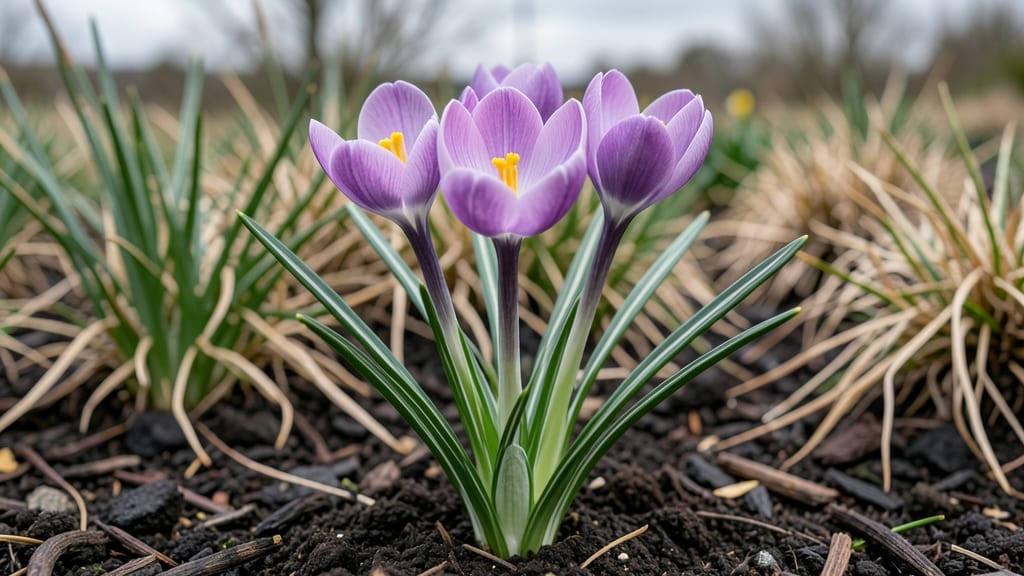
The crocus flower bloom time is one of nature’s earliest surprises, often piercing through snow to reveal bursts of purple, white, and yellow—an unmistakable sign that winter’s icy grip is loosening its hold. 🌼
If you crave vibrant spring color before tulips even think about blooming, crocuses are your secret weapon. Planting them at the right time ensures dazzling blooms that defy winter’s chill, turning your garden into a cheerful canvas weeks before other flowers make an appearance.
Timing matters: most crocuses bloom between late March and mid-April in Zone 6, but varieties like Crocus tommasinianus can push blooms back to February, while others like Crocus vernus wait until May. The key is planting bulbs in fall (September-October) or early spring (March-April) for reliable blooms.
In this guide, I’ll break down bloom times by variety, share planting tips to extend your crocus season, and explain how climate and soil prep can coax earlier—or later—blooms from your garden.
Crocus bloom time by variety: when to expect flowers in your garden
Crocuses are nature's early spring cheerleaders, often blooming 4-6 weeks before daffodils and 6-8 weeks before tulips. Their bloom times vary dramatically by variety, with some flowering in late winter and others waiting until early summer.
Understanding these differences helps you create a sequential color show that keeps your garden vibrant from February through May.
The key to predicting bloom times lies in two factors: variety selection and USDA hardiness zone. For example, Crocus vernus (Dutch crocus) typically blooms in Zone 5 around March 15-April 1, while Crocus tommasinianus (tommasini crocus) waits until April 15-May 1.
Microclimates—like elevated garden beds or south-facing slopes—can shift bloom times by 1-2 weeks earlier or later.
Here’s how to match crocus varieties to your climate and extend your bloom season:
For gardeners in higher elevations (above 5,000 ft), adjust bloom times 2-3 weeks later than the table suggests. For example, Crocus chrysanthus in Denver might bloom in late March instead of February.
Conversely, coastal or Mediterranean climates (Zones 8-10) can expect earlier blooms—sometimes 6 weeks ahead of schedule—due to milder winters.
To create a non-stop crocus display, mix
Best planting times for crocus flowers: month-by-month guide by climate
Timing is everything when planting crocus bulbs—these hardy flowers need the right conditions to bloom their best. In temperate climates like USDA Zone 6, fall planting is ideal, while Mediterranean climates benefit from spring planting.
Even in cold climates, crocuses thrive if planted early enough for root establishment before winter. The key is understanding your local frost dates and adjusting your schedule accordingly.
For sequential blooms, many gardeners use a 6-week succession planting strategy, spacing out bulbs so flowers appear in waves from early spring through late winter. This creates a stunning, extended display.
Whether you're planting for fall color or spring cheer, knowing the perfect window ensures your crocuses will reward you with vibrant blooms year after year.
- 1 Temperate Climates (Zones 4-7): Plant fall bulbs in September-October, 6-8 weeks before first frost. Spring planting is possible in March-April for late bloomers.
- 2 Cold Climates (Zones 2-3): Plant early fall (August-September) to allow roots to establish before first hard frost. Avoid planting after October 15 to prevent rot.
- 3 Mediterranean Climates (Zones 8-10): Plant spring bulbs in February-March for winter blooms. Fall planting is risky due to mild winters; opt for shaded locations if attempting.
- 4 Succession Planting: For extended blooms, plant 1/3 of bulbs every 6 weeks starting in September. This creates a 3-month display from late winter to early spring.
- 5 Soil Prep Tip: Amend clay soil with sand or grit to improve drainage. Crocuses hate soggy roots—plant in well-draining beds or raised areas.
In temperate zones, aim to plant crocus bulbs when soil temperatures drop below 60°F but before frost arrives. This gives roots time to establish without encouraging premature sprouting. For spring planting (common in warmer climates), wait until late winter when dormant bulbs can root before active growth begins.
Pro tip: Use a moisture meter to check soil conditions. Crocuses need consistent moisture during root growth but dry soil once established. Mulch lightly with straw or leaves after planting to protect bulbs from temperature swings. This is especially critical in cold climates where winter thaws can cause rot.
Don’t overlook microclimates—a south-facing slope may stay warmer longer than your yard’s average, allowing for later fall planting. Conversely, low-lying areas with poor drainage should be avoided entirely.
Test your soil’s drainage rate by digging a hole, filling it with water, and timing how long it takes to drain—ideal is 4-6 hours.
For year-round blooms, mix fall-planted and spring-planted varieties. Early bloomers like Crocus tommasinianus (autumn crocus) can be planted in late summer for fall color, while Crocus vernus (spring crocus) thrives when planted in early fall.
This layered approach ensures your garden stays vibrant from October through May.