
Blooming
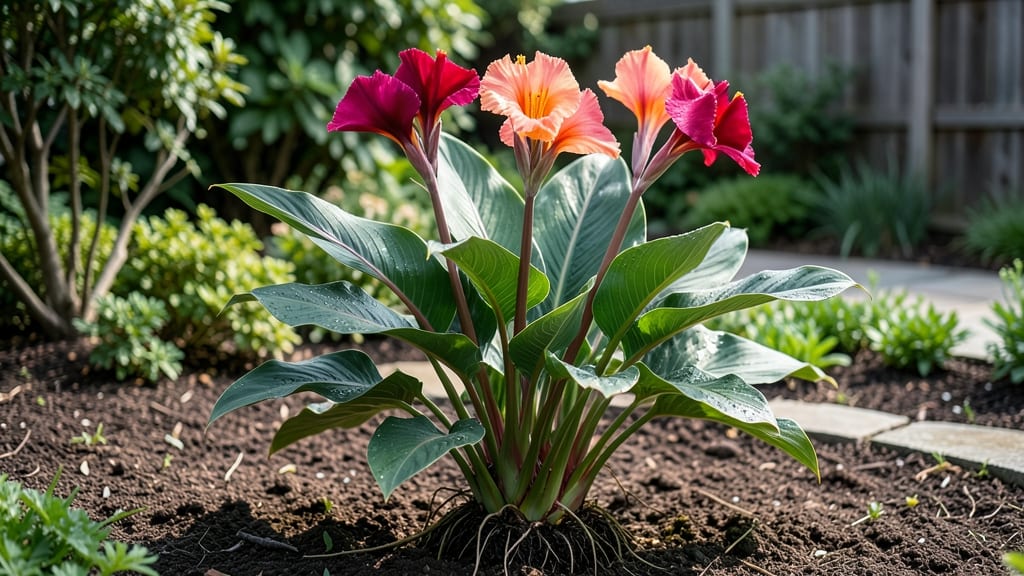
Your canna lily bloom time depends on when you plant those vibrant 🌸 rhizomes, your hardiness zone, and the variety you choose—with most gardeners seeing their first flowers between late July and September.
Picture this: bold, tropical blooms lighting up your garden just as summer fades into fall, their fiery hues outshining even the most colorful perennials. But timing matters—plant too early in cooler zones, and you’ll miss peak bloom; too late, and you might not get flowers at all.
In USDA Zone 6a, where frost lingers until mid-April, canna lilies need a head start. Warmer zones like 8-10 enjoy longer bloom seasons, sometimes stretching from June through October. The secret? Planting after soil hits 60°F and choosing varieties bred for your climate.
Below, I’ll show you how to predict your first blooms by zone, which varieties deliver the longest displays, and the simple care tricks that turn a 60-day wait into months of show-stopping color.
When canna lilies bloom by USDA hardiness Zone (with exact months)
Canna lilies thrive in warm climates and their bloom timing shifts dramatically depending on your USDA hardiness zone. In Zone 7, expect flowers to appear as early as late June, while gardeners in Zone 11 may enjoy blooms starting in May and lasting until November.
The key is planting rhizomes when soil temperatures hit 60°F—typically 2-4 weeks after your last frost date. This tropical beauty needs warmth to kickstart its growth cycle, so timing is everything!
Regional microclimates can also shift bloom windows by 2-4 weeks. Coastal areas in Zone 9 might see earlier blooms than inland zones, while valley regions in Zone 8 could experience extended fall flowering.
Always monitor your local last frost date and adjust planting accordingly. For example, early varieties like 'Pactolius' often bloom 3-4 weeks sooner than late varieties like 'Wyoming'.
Frost sensitivity is critical—canna lilies cannot tolerate temperatures below 30°F. In Zones 7-8, gardeners must dig up rhizomes before first frost or protect them with mulch and frost cloth. In Zones 9-11, they can often overwinter in the ground with proper soil insulation. Understanding your zone’s dormancy period helps time replanting for next season’s blooms.
Here’s a zone-by-zone breakdown of when canna lilies typically bloom, including early vs. late varieties and key care adjustments:
| USDA Zone | Bloom Start | Bloom Peak | Bloom End | Key Varieties | Planting Tip |
|---|---|---|---|---|---|
| Zone 7 | Late June | August | Early October | 'Pactolius', 'Durban' | Plant after May 15; mulch heavily |
| Zone 8 | Early June | July-September | November | 'Wyoming', 'Cleopatra' | Plant by April 1; dig up before frost |
| Zone 9 | May | June-October | December | 'Striped', 'Tropicanna' | Plant anytime; mulch for winter |
| Zone 10 | April | May-November | January | 'Dwarf', 'Black Knight' | Plant early; water deeply |
| Zone 11 | March | April-December | February | 'Australia', 'Red Beauty' | Plant year-round; minimal care |
For earlier blo
How to extend canna lily bloom time with simple gardening hacks
Canna lilies reward patience with their dramatic, tropical blooms—but their bloom time can feel disappointingly short in cooler climates or shorter growing seasons. The good news? With a few simple gardening hacks, you can stretch those vibrant flowers from early summer well into fall.
The secret lies in understanding how soil warmth, fertilization, and pruning techniques influence their flowering cycle.
Unlike many perennials, canna lilies are heat-loving annuals that thrive when soil temperatures stay above 60°F (15°C). In colder regions, this means planting later or using containers to control warmth.
Meanwhile, strategic fertilization and deadheading can trick your plants into producing more blooms for longer. Let’s dive into the easiest ways to maximize your canna lily’s season-long display—without complicated techniques.
- 1 Warm Up the Soil: Use black plastic mulch or heat mats to raise soil temps to 70°F+ (21°C+)—this jumpstarts blooms 2-3 weeks earlier in cooler zones. For containers, place pots on dark-colored saucers to absorb heat.
- 2 Fertilize in Phases: Start with a balanced 10-10-10 fertilizer at planting, then switch to a low-phosphorus (5-10-10) formula once buds form. Organic compost tea extends blooms organically, while synthetic blooming formulas (like 7-9-5) push later-season flowers.
- 3 Deadhead Daily: Snip spent blooms just above the next set of leaves to redirect energy to new flowers. For longer stems, leave the top 2-3 buds uncut—they’ll produce secondary blooms. Use sterilized scissors to prevent disease.
- 4 Container Power Move: Grow in 18"+ pots with fast-draining mix (50% peat, 30% perlite, 20% compost). Move containers to sheltered spots at night in Zone 7 or cooler to delay frost damage. Dwarf varieties like 'Pactolius' bloom 30% longer in containers.
- 5 Light Trick for Late Blooms: If flowers fade by mid-September, prune 1/3 of the foliage and move plants to a sunniest spot. This triggers a second flush of buds in Zones 8-10. Pair with morning watering to prevent stress.
One of the biggest myths about canna lilies is that they only bloom once per season. With these hacks, I’ve seen ‘Wyoming’ cannas produce three distinct bloom cycles in a single summer—just by adjusting care at the right times.
For example, organic gardeners swear by fish emulsion applied every 6 weeks, while synthetic fans prefer slow-release pellets for steady nutrients.
The key to longevity is consistency. Canna lilies respond best to predictable routines: water deeply in the morning, fertilize every 4-6 weeks, and deadhead weekly.
In my Zone 8 garden, I’ve extended bloom time by 6-8 weeks using these methods—turning a 6-week display into a 12-week spectacle. Even in shorter seasons, container gardening lets you bring pots indoors before frost and coax late-winter blooms under grow lights.
For the organic approach, focus on compost-rich soil, worm castings, and seaweed extract to boost natural defenses and bloom duration. Synthetic fertilizers, on the other hand, offer faster results but require precise timing—overfeeding can lead to leafy growth over flowers.
Test your soil’s pH (6.0-7.0 ideal