
Blooming
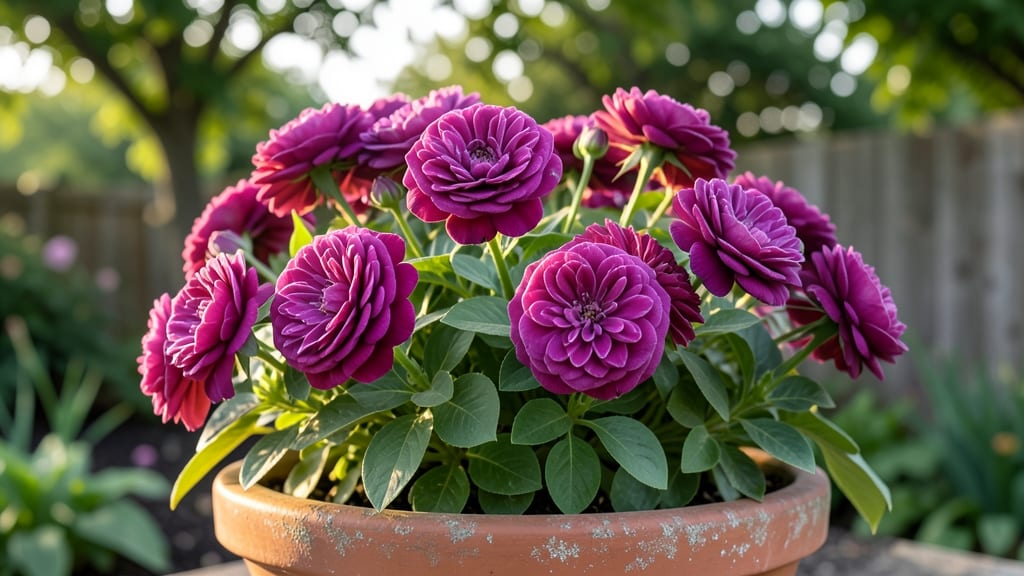
Double bloom petunias rebound spectacularly after deadheading by producing two new flowers per stem, thanks to their hybrid genetics and vigorous growth habits. Prune stems just above a leaf node and keep soil consistently moist to trigger rapid regrowth and continuous blooming all season.
These petunias are bred specifically to defy the "one-and-done" blooming cycle of traditional varieties. 🌸 The secret lies in their hybrid DNA, which suppresses apical dominance—the natural tendency for plants to focus energy on one main flower.
When you snip spent blooms, you're essentially telling the plant, "Hey, grow more!" The result? Two fresh buds sprout from each cut stem, creating a cascading effect of color.
For best results, I recommend using sharp pruning shears to make clean cuts just above a leaf node. This encourages the plant to redirect its energy downward, where new growth emerges. The soil moisture tip isn't just about hydration—it's about maintaining the right balance of nutrients in the root zone.
Too dry? Growth stalls. Too wet? Roots suffocate. Aim for that "squeeze-a-damp" soil texture between waterings.
💡 In This Article
- How Double Bloom Petunia Genetics Drive Repeated Flowering
- Deadheading and Pruning Techniques for Maximum Petunia Reblooms
How double bloom petunia genetics drive repeated flowering
Double bloom petunias owe their reblooming superpower to a clever genetic tweak called apical dominance suppression. In most flowering plants, the terminal bud (at the stem's tip) produces hormones like auxin that inhibit side bud growth.
But these hybrids have been bred to reduce auxin sensitivity, allowing lateral buds to develop when the main flower is removed. 🌟 This creates the "double bloom" effect—two new flowers emerge from each cut stem instead of just one.
The hybrid vigor comes from crossing different petunia species, like Petunia axillaris (known for continuous blooming) with Petunia integrifolia (hardier varieties). This genetic mix produces plants that are both prolific bloomers and more resilient to environmental stress.
For comparison, single-bloom varieties rely solely on one flower per stem, while double bloomers can produce up to 12 flowers per plant in a single season with proper care.
Here's what happens at the cellular level: When you deadhead, the plant's meristem (growth tissue) detects the removal of the dominant flower and shifts resources to dormant lateral buds. These buds contain pre-formed flower primordia—tiny undeveloped flowers that just need the right hormonal signal to wake up.
The process is similar to how gardeners coax new shoots from woody plants by pruning, but in petunias, it's built into their DNA.
Light exposure also plays a role. Double bloom varieties respond best to 6-8 hours of direct sunlight daily, which triggers photoperiodic flowering responses. In low light, they'll produce fewer blooms because the plant prioritizes leaf growth over flowers.
The combination of genetic suppression of apical dominance and optimal light creates the perfect storm for continuous reblooming.
One fascinating detail: these hybrids often have shorter internodes (the stem segments between leaves) than single-bloom types. This compact growth habit means more flowers per square inch of garden space.
For example, while a single-bloom petunia might have stems spaced 2-3 inches apart, double bloomers can have internodes just 1 inch long, creating that lush, cascading effect gardeners love.
What most people don't realize is that the reblooming cycle actually follows a 3-4 week pattern after each deadheading. The first new buds appear in 7-10 days, but full blooms take 21-28 days to develop.
This rhythm explains why consistent deadheading is crucial—skipping just one cycle can break the pattern and reduce overall flowering.