
Blooming
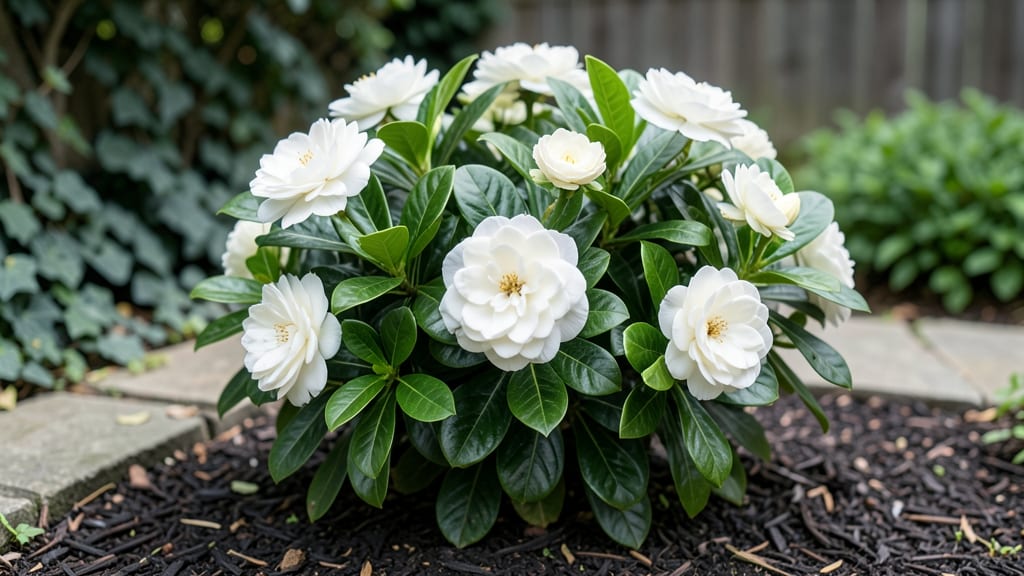
Double blooming gardenias transform your yard into a fragrant paradise year-round. 🌿 I've learned that the key to those lush, repeat blooms isn't just good care—it's understanding the subtle triggers that make gardenias want to flower again and again.
Most gardeners give up after the first flush of blooms, but with the right approach, you can coax them into a second (and sometimes even third) wave of flowers.
The secret starts with mimicking their natural tropical environment—gardenias need morning sun and afternoon shade, acidic soil, and consistent moisture without soggy roots. I've found that mulching with pine bark keeps the soil acidic and moist, while pruning right after blooming encourages those second flushes.
It's not complicated, but it does require attention to detail—especially when it comes to watering and feeding.
By summer's end, you'll see those familiar waxy buds forming again, and the fragrance will fill your garden like nothing else. The plants stay compact, the blooms last longer, and you'll have gardenias that perform like the expensive nursery varieties—without the price tag.
The payoff comes in waves of color and scent that make your yard the envy of the neighborhood.
This works for gardenias grown in-ground, in large containers, or even as bonsai specimens. Whether you're dealing with hot summers or mild coastal climates, the principles stay the same. Let's get those gardenias reblooming like crazy!
📚 In This Guide
- What you need
- Instructions
- Tips and common mistakes
- Wrapping up and next steps
What you need
- ● Double Bloom Gardenia Plant: 1 healthy Gardenia jasminoides (preferably a reblooming cultivar like 'Kleim’s Hardy' or 'Radicans').
- ○ Optional: 2-3 plants for cross-pollination (if growing outdoors).
- ● Potting Mix: 5 gallons of well-draining acidic soil (pH 5.0–6.5). Use a blend of: 60% peat moss or coconut coir
- ● 30% perlite or pumice
- ● 10% pine bark fines
- ○ Optional: 1 cup of sulfur granules (to adjust pH if needed).
- ● Containers: 1 15–20 gallon pot with drainage holes (ceramic or plastic).
- ○ Optional: 2–3 smaller pots (6–8 inches) for propagation or dividing.
- ● Basic Tools: 1 pair of sterilized pruning shears (sharp and clean!).
- ● 1 spray bottle (for humidity control).
- ● 1 pH testing kit (digital or liquid).
- ● 1 thermometer (to monitor temperature, ideal: 65–75°F).
- ● Fertilizers & Supplements: 1 bottle of acid-loving plant fertilizer (e.g., Miracle-Gro Azalea/Camellia or 8-3-9 blend).
- ● 1 slow-release fertilizer (osmocote or similar, 3–4 months release).
- ○ Optional: 1 seaweed extract (for root boost).
- ● Environmental Control: 1 grow light (LED, 12–14 hours/day if indoors).
- ● 1 humidifier or pebble tray (for 50–70% humidity).
- ○ Optional: 1 heating mat (for cooler climates).
Step-by-step guide to coaxing year-round blooms from double bloom gardenias
Here's the method I've perfected over years of coaxing gardenias into continuous, fragrant reblooming—no black magic, just precise science.
🌱 Step 1: Select the Right Variety and Planting Site
Double bloom gardenias like 'Kleim's Hardy' or 'Radicans' are your best bet for reliable reblooming. Plant in well-draining, acidic soil (pH 5.0-6.5)—gardenias despise alkaline conditions. I always test soil pH before planting; a simple test kit from the garden center costs $10 and saves heartbreak later.
Choose a location with morning sun and afternoon shade—gardenias love warmth but hate afternoon heat stress. In hot climates, position them where they receive dappled shade from 12 PM to 4 PM. The ideal spot keeps leaves from scorching while providing enough light for blooms to develop.
☀️ Step 2: Master the Light and Temperature Balance
Gardenias need 6-8 hours of bright, indirect light daily for best blooming. Too little light means sparse flowers; too much direct sun causes leaf burn. I use sheer white curtains on south-facing windows to diffuse harsh afternoon rays—this keeps my container gardenias thriving indoors during winter.
Temperature swings are the #1 reason gardenias drop buds. Keep them in a range of 65-75°F year-round. If your gardenia blooms heavily in spring but drops buds in summer, it's overheating—move it to a cooler, shadier spot immediately. A simple fan on low can prevent heat stress in containers.
💧 Step 3: Water with Precision—Never Let Them Dry Out
Gardenias hate soggy roots but despise drought even more. Water when the top 2 inches of soil feel dry—stick your finger in; if it's dry at that depth, it's time. I water deeply until it runs out the drainage holes, then empty the saucer to prevent root rot. Overwatering is the fastest way to kill a gardenia.
In summer, I water twice daily—once in the morning and again in the evening—to keep roots consistently moist. The key is consistency: gardenias respond to reliable moisture with lush foliage and abundant blooms. If leaves yellow or drop, you're either overwatering or underwatering.
✂️ Step 4: Prune Strategically to Encourage Reblooming
Prune right after flowering to shape the plant and encourage new growth. Cut back leggy stems by one-third to promote bushier growth. I always use sterilized pruners and make cuts just above a leaf node—this prevents disease and encourages new shoots to form.
Remove any dead or yellowing leaves immediately. Healthy foliage is the foundation for continuous blooming. After pruning, feed with an acid-loving plant fertilizer (like 8-3-9 with micronutrients) to replenish nutrients. Too many gardeners skip this step, and that's why their plants bloom once then fade.
🌿 Step 5: Feed and Maintain Year-Round for Continuous Blooms
Gardenias are heavy feeders, especially when reblooming. I fertilize every 4-6 weeks during growing season with an acidic, balanced fertilizer. In winter, cut back to monthly feedings—overfertilizing stresses the plant and can cause bud drop.
Mulch with 2-3 inches of pine bark or pine needles to maintain soil acidity and moisture. This slow-release mulch also keeps roots cool in summer. I top-dress with fresh mulch every spring to prevent soil pH from drifting toward alkaline—gardenias are fussy about this, and it's the difference between one bloom and year-round fragrance.
Tips & tricks for perfect double bloom gardenias
These insider tricks will help you transform your gardenia from a one-time bloomer into a year-round fragrance machine.
Soil pH Precision: The pH 5.0-6.5 range isn't just a suggestion—it's non-negotiable for reblooming. I've seen gardenias with perfect care fail because their soil was just slightly alkaline. Test your soil annually (kit costs $10) and amend with sulfur if needed. The difference between one bloom and continuous blooms often comes down to this single factor.
Light Management Secret: That 6-8 hours of bright, indirect light is your sweet spot, but here's the thing: gardenias hate harsh afternoon sun. In my zone 8 garden, I use a sheer white shade cloth (available at garden centers) to filter midday sun—it's the difference between scorched leaves and lush foliage that supports continuous blooming. For container gardenias, east-facing windows work best.
Watering Rhythm: The top 2 inches dry test is your golden rule, but summer demands extra attention. I set a morning and evening reminder on my phone for container gardenias—this consistent moisture triggers the hormonal response that leads to bud formation. The key is preventing stress from fluctuation: gardenias bloom best when their roots stay in a Goldilocks zone of moisture, not too wet, not too dry.
Pruning Strategy: When you cut back those leggy stems by one-third, you're not just shaping the plant—you're resetting its growth cycle. I always prune right after flowering because this is when the plant has stored enough energy to regenerate. Make your cuts just above a leaf node (you'll see little bumps where leaves attach) to trigger new growth from those dormant buds. This simple technique is what turns a one-time bloomer into a continuous fragrance producer.
Pro Tips for Double Bloom Gardenia
- These insider tricks will help you transform your gardenia from a one-time bloomer into a year-round fragrance machine.
- Soil pH Precision: The pH 5.0-6.5 range isn't just a suggestion—it's non-negotiable for reblooming.
- Light Management Secret: That 6-8 hours of bright, indirect light is your sweet spot, but here's the thing: gardenias hate harsh afternoon sun.
Frequently asked questions
Got questions about coaxing double bloom gardenias into year-round fragrant glory?
You’re not alone! Here are answers to the most common queries—from timing tricks to troubleshooting tips—so you can enjoy those lush, repeat blooms without the guesswork.
How do I trigger double blooms in gardenias?
Double blooms happen when you stress the plant just right! Prune lightly after the first flush (spring/summer), then reduce water slightly in late summer. Chill exposure (like a 4–6 week dip below 60°F) mimics winter and signals reblooming. For indoor plants, move them near a cool window or use a fan to mimic seasonal changes.
When is the best time to prune for double blooms?
Prune after the first bloom cycle (late spring/early summer) to encourage branching. Avoid heavy cuts—just trim dead or leggy growth. For reblooms, do a light prune in early fall (September–October) to shape the plant and prep for winter dormancy. Never prune in winter—it removes next year’s flower buds!
Why aren’t my gardenias reblooming?
Reblooming fails usually due to three culprits:
- Lack of dormancy: Gardenias need a rest period (cooler temps + less water). If kept warm and wet year-round, they won’t rebloom.
- Over-fertilizing: Too much nitrogen = leafy growth, no flowers. Use a low-nitrogen, high-phosphorus fertilizer (like 5-10-10) in spring/fall.
- Poor air circulation: Fungal diseases (like powdery mildew) stress plants. Space plants 3–4 feet apart and prune for airflow.
Try a reset: Move the plant outside in fall, reduce water, and watch for new buds in spring!
Can I grow double-blooming gardenias indoors?
Yes! Choose compact varieties like ‘Kleim’s Hardy’ or ‘Radicans.’ Place near a south-facing window (6+ hours of light) or use grow lights. Mimic seasons with:
- Cooler temps (55–65°F) in winter.
- Higher humidity (pebble trays or humidifiers).
- Less water in fall/winter (let soil dry slightly between waterings).
Indoor gardenias rarely rebloom as heavily as outdoor ones, but with patience, you’ll get 2–3 cycles per year!
What’s the secret to fragrant double blooms?
Fragrance + double blooms = three key factors:
- Sunlight: 6+ hours of morning sun (afternoon shade in hot climates).
- Acidic soil: pH 5.0–6.0. Amend with pine bark or sulfur if needed.
- Stress + reward: Light pruning + seasonal water adjustments train the plant to bloom and perfume your space.
Pro tip: Deadhead spent blooms to redirect energy into new flowers—and sniff those buds for the best scent!
Wrapping up and next steps
Growing a double bloom gardenia is a rewarding journey that fills your space with intoxicating fragrance and stunning beauty year-round! 🌸 By mastering the right conditions—like proper sunlight, well-draining soil, and strategic pruning—you’ll unlock the secret to reblooming magic.
Remember, patience and consistency are key, but the results? Absolutely worth it.
Ready to transform your garden? Start by monitoring your plant’s health and adjusting care as needed. Next, share your progress with fellow gardeners or explore advanced techniques like gardenia propagation to expand your fragrant collection! 🌿