
Blooming
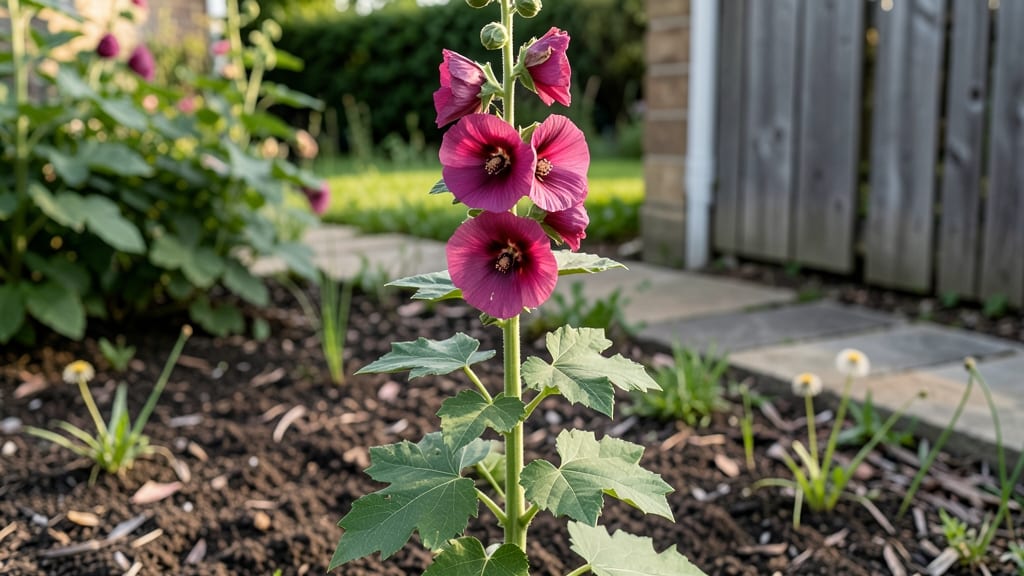
Hollyhocks don't bloom all summer continuously—most varieties produce just one main flowering period in early to mid-summer before fading. While some reblooming types like 'Chater’s Double' or 'Black Prince' may produce occasional secondary blooms, consistent summer-long flowering requires regular deadheading and proper garden care.
Most hollyhocks follow a natural seasonal rhythm, with their energy focused on that first burst of vibrant blooms rather than prolonged flowering. 🌸 The key to encouraging reblooming lies in understanding their botanical needs—like removing spent flowers (deadheading) to redirect energy and providing consistent moisture during dry spells.
I've found that biennial varieties often outperform perennials for extended blooming, though even the hardiest types need proper sunlight and well-drained soil to perform their best.
What many gardeners don't realize is that hollyhocks actually conserve energy for their next growing season during their peak bloom period. This means cutting back too aggressively can signal the plant to focus on foliage rather than flowers.
The secret to summer-long color? A balance of regular maintenance and letting the plant rest between bloom cycles.
💡 In This Article
- Hollyhock Bloom Cycles: Why They Fade Mid-Summer
- How to Extend Hollyhock Blooming Season with Deadheading & Care
Hollyhock bloom cycles: why they fade mid-summer
Hollyhocks follow a natural botanical pattern where they allocate most of their energy to a single, dramatic flowering period rather than prolonged blooms. This is because their primary reproductive goal—producing seeds—requires a massive burst of resources.
During their peak bloom (typically June-August), you'll notice the plants channeling nutrients from their roots and leaves into those showy, cup-shaped flowers. The trade-off? After this initial flush, the plant's energy shifts toward seed production and preparing for dormancy or the next growing season.
The fading happens because hollyhocks are either biennials (completing their life cycle in two years) or short-lived perennials that prioritize seed production.
For example, biennial varieties like 'Black Knight' focus all their energy on flowering in their second year before dying, while perennial types like 'Chater’s Double' may linger but still prioritize seed production over continuous blooms.
Heat and drought stress further accelerate this process by forcing the plant to conserve water rather than support new flower buds. 🌿
Genetic differences play a huge role too. Most traditional hollyhock varieties carry genes that trigger a natural dormancy period after their main bloom, often signaled by decreasing daylight hours. This is why even with perfect care, you'll see many plants produce just one flush of flowers before going dormant.
The exceptions are modern hybrid varieties specifically bred for reblooming, but even these typically produce secondary blooms that are smaller and less abundant than the initial display.
Environmental factors like soil quality and sunlight also influence bloom duration. Hollyhocks grown in nutrient-rich, well-draining soil with full sun (6-8 hours daily) tend to have stronger initial blooms but still follow the same seasonal pattern.
Poor soil or shade can weaken the plant, reducing both the size of the first flush and the likelihood of any secondary blooms. The key takeaway? These plants are wired for a spectacular show rather than a marathon of color.
What's fascinating is how hollyhocks manage this energy shift. When you observe the plant after its main bloom, you'll notice the lower leaves yellowing and dying back—a clear sign the plant is redirecting resources upward.
This process is similar to how tomatoes prioritize fruit production over foliage growth, but with hollyhocks, the "fruit" is their seeds contained within those distinctive seed pods that follow the flowers.
For gardeners hoping to extend the blooming season, understanding this natural cycle is crucial. While you can't change the plant's fundamental biology, you can work with it by providing optimal growing conditions that support the plant's energy needs during both bloom periods and dormancy.
This might include regular feeding with phosphorus-rich fertilizer during the bloom phase and reduced watering as temperatures rise to mimic natural drought conditions.