
Blooming
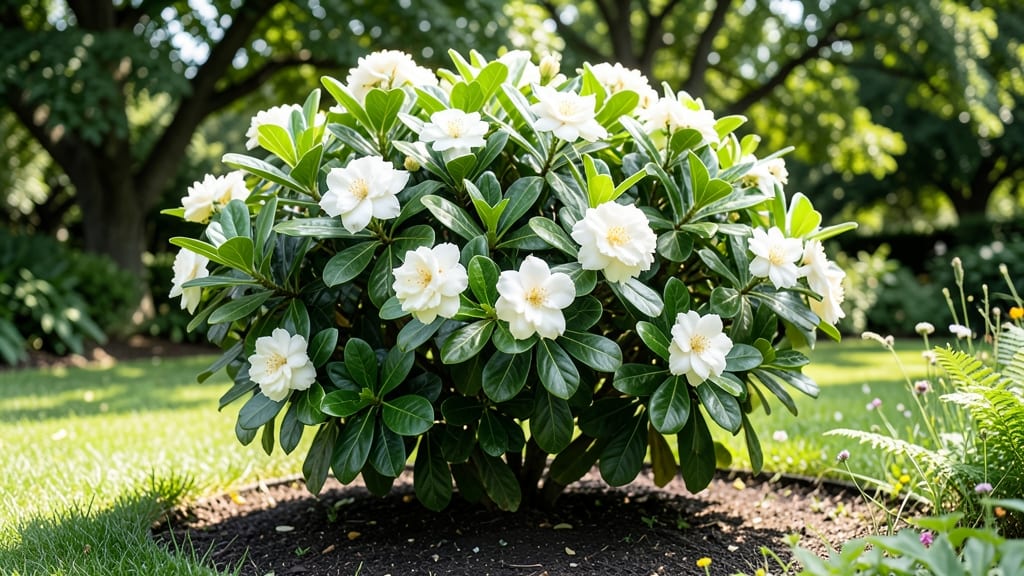
Gardenia blooms in Zone 9 typically arrive between late winter and early spring, with most varieties peaking in February and March—though coastal areas may see earlier blooms as early as January.
If you’ve ever dreamed of waking up to the intoxicating scent of gardenias drifting through your Zone 9 garden, timing is everything—because these fragrant beauties don’t bloom on just any schedule.
Knowing exactly when to expect their peak seasons can mean the difference between a missed opportunity and a showstopping floral display.
Zone 9’s mild winters and humidity create ideal conditions for gardenias 🌸, but inland areas may experience slightly later blooms due to cooler temperatures. Coastal gardens, with their warmer microclimates, often enjoy an extended bloom window, sometimes even into April.
Below, I’ll break down the exact months for your region, plus pro tips to encourage earlier or longer blooms—so you can enjoy those creamy-white, ultra-fragrant flowers for weeks, not just a fleeting season.
Gardenia bloom seasons in Zone 9: month-by-month breakdown
If you’ve ever dreamed of waking up to the intoxicating scent of gardenias drifting through your Zone 9 garden, timing is everything—because these fragrant beauties don’t bloom on just any schedule.
In Zone 9, gardenias typically follow a winter-to-early-spring blooming pattern, but exact timing can shift based on your location’s microclimate. Coastal areas often see earlier blooms, while inland gardens might experience delayed flowering due to temperature fluctuations.
Understanding these patterns helps you plan for peak fragrance and stunning floral displays. Most gardenias in Zone 9 enter their primary blooming window between late fall and early spring, with some varieties extending into summer.
The key is recognizing how coastal humidity versus inland heat influences their schedule—and how to adjust your care routine accordingly.
| Month | Bloom Stage | Coastal Zone 9 | Inland Zone 9 | Care Tip |
|---|---|---|---|---|
| November | Bud Formation | Early buds appear | Buds form later | Reduce water slightly |
| December | Peak Blooming | Full fragrance | Moderate blooms | Prune spent blooms |
| January | Primary Bloom | Heaviest scent | Strong blooms | Fertilize lightly |
| February | Late Bloom | Final flush | Sporadic blooms | Monitor for pests |
| March | Bud Reset | New buds form | Prep for summer | Adjust watering |
| April-June | Dormancy | Minimal blooms | No blooms | Prune for shape |
In coastal Zone 9 areas—like parts of Southern California or Florida’s Gulf Coast—gardenias often start blooming as early as late October. The mild winters and consistent humidity create ideal conditions for early bud formation.
By December, you’ll typically see the heaviest blooms, with fragrance peaking in January.
For inland Zone 9 gardens—such as those in Arizona’s lower deserts or Texas Hill Country—the schedule shifts slightly. Buds may not appear until November, with peak blooming extending into February. The warmer inland nights can delay flowering, but well-draining soil and afternoon shade help mitigate this.
Some late-blooming varieties, like Gardenia jasminoides 'Kleim’s Hardy', may produce a second flush of flowers in late spring if given the right care. These cultivars thrive in cooler coastal climates and can extend your blooming season well into March or even April.
If you’re growing potted gardenias, their blooming schedule may vary even more. Containers dry out faster, and temperature fluctuations near patios or driveways can stress the plant. To encourage blooms, move pots to a shadier spot in summer and ensure the soil stays consistently moist but not soggy.
One common misconception is that gardenias bloom year-round in Zone 9. While they can produce occasional flowers in
How to extend gardenia blooming seasons in Zone 9 gardens
Zone 9 gardeners know the struggle—gardenias typically bloom in late winter to early spring, but their fragrance-filled displays often feel too short-lived. With the right adjustments, you can coax your gardenias into blooming earlier or longer, filling your garden with their signature scent for months instead of weeks.
The key lies in understanding how light, temperature, soil, and pruning interact to trigger blooms.
Unlike many plants that thrive on summer heat, gardenias prefer cooler temperatures and gentle light exposure. In Zone 9’s mild winters, this means strategically managing their environment to mimic their natural blooming triggers.
Start by focusing on soil acidity, watering consistency, and selective pruning—three critical factors that directly impact flower production.
- 🌿 Adjust soil pH to 5.0-6.5 using sulfur or peat moss—gardenias refuse to bloom in alkaline soil.
- ☀️ Provide morning sun and afternoon shade to prevent heat stress that stunts blooms.
- 💧 Water deeply 2-3x weekly—drought stress causes buds to drop before opening.
- ✂️ Prune after blooming to remove dead wood and shape for better airflow.
- 🌡️ Use shade cloth in summer heatwaves (above 90°F) to protect foliage and buds.
- 🌱 Fertilize lightly in early spring with acidic fertilizer (e.g., azalea mix) to encourage new growth.
- 🌿 Mulch with pine bark to maintain acidic soil and retain moisture year-round.
One of the biggest mistakes I see is over-fertilizing in summer, which pushes leafy growth at the expense of flowers. Instead, focus on balanced, acidic fertilizers in early spring and avoid heavy feeding after June.
Gardenias in Zone 9 also benefit from a light winter chill—even if your winters are mild, a 10-14°F drop can trigger earlier blooming. If your garden lacks natural chill, consider shade cloth or temporary shade structures to simulate cooler conditions.
For longer blooming seasons, prune strategically by removing spent blooms and crossing branches in late spring. This redirects energy from seed production back to flower buds.
Pair this with consistent mulching—a 2-3 inch layer of pine bark mulch keeps roots cool and soil acidic, both critical for continuous blooming. In my own Zone 9 garden, this approach extended my gardenia’s fragrance from 4 weeks to 3 months!
Don’t overlook light exposure—gardenias need 4-6 hours of morning sun but will suffer in hot afternoon rays. If your garden gets intense afternoon sun, plant near a tall tree or use shade cloth during peak heat.
This simple adjustment can mean the difference between wilting buds and vibrant blooms. Pair it with regular deadheading to encourage more flowers, and you’ll enjoy gardenia perfume nearly year-round.
With these techniques, your Zone 9 gardenias can bloom earlier in late fall and later into spring, turning your garden into a fragrant paradise. The secret? Mimic their natural conditions—cool roots, acidic soil, and gentle light—while avoiding summer stress.
Start with soil adjustments and pruning, then fine-tune with watering and shade for the longest blooming season possible.