
Blooming
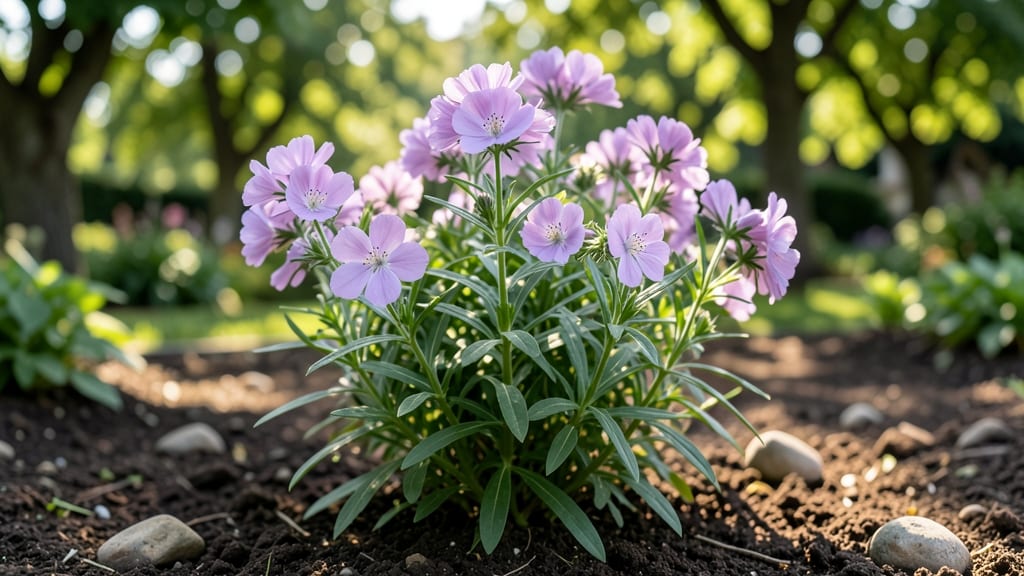
Stock plants do bloom all summer when given proper care, producing vibrant flowers from early summer through late July or August. After that, rising temperatures and shorter daylight hours cause blooms to taper off naturally, though consistent maintenance can maximize their flowering period.
Stock plants thrive in warm weather but hit their natural limits as summer progresses. 🌿 The key to extending their bloom time lies in understanding their seasonal needs—too much heat or insufficient light forces them into dormancy.
I've found that varieties like Matthiola incana (night-scented stock) handle heat better than others, but even they need protection from afternoon sun when temperatures climb above 85°F.
Regular deadheading (removing spent blooms) signals the plant to focus energy on new flowers rather than seed production, which is why I make it a weekly habit during peak bloom seasons.
What many gardeners overlook is how humidity plays a role—dry air can stress the plants, making them more susceptible to heat damage. A simple solution is to water deeply in the morning, keeping the soil consistently moist but not waterlogged.
For those in hot climates, providing afternoon shade with lightweight fabric or dappled shade from nearby trees can make a noticeable difference in flower retention.
💡 In This Article
- Heat and Light Factors Affecting Stock Flower Longevity
- Late-Season Stock Care to Prolong Summer Blooms
Heat and light factors affecting stock flower longevity
Stock plants (Matthiola spp.) rely on a delicate balance of temperature and daylight to maintain their vibrant blooms.
When daytime temperatures exceed 85°F, the plant's metabolic processes accelerate, causing flowers to wilt faster and new buds to fail to open. 🌡️ This happens because high heat disrupts the plant's natural hormone balance, particularly ethylene production, which triggers premature senescence (aging) in flowers.
Tropical varieties like Matthiola longipetala handle heat slightly better than temperate ones, but even they show signs of stress when exposed to prolonged afternoon sun.
The length of daylight plays an equally critical role. Stock plants are short-day or day-neutral, meaning they respond to decreasing daylight hours in late summer. Once daylight drops below 14 hours (typically after mid-July), the plant's internal clock shifts toward dormancy, reducing flower production.
This is why blooms often peak in June and July before tapering off. Humidity also matters—low moisture levels dehydrate the plant, making it more vulnerable to heat stress. In dry climates, maintaining 40-60% humidity around the plants can extend their flowering period by up to 2-3 weeks.
Here's what's actually happening on a cellular level: Heat stress causes the plant's stomata (pores) to close, reducing photosynthesis and nutrient uptake.
This weakens the plant's ability to produce new flowers while also causing existing blooms to droop. 🌿 The good news is that stock plants are resilient—they can recover if temperatures drop and watering remains consistent.
However, once the plant shifts to dormancy mode, forcing it to rebloom is difficult without artificial light or cooler conditions.
To compare, tropical stock varieties like Matthiola longipetala (also called "garden stock") can tolerate slightly higher temperatures (90-95°F) than their temperate cousins, but they still require protection from intense afternoon sun.
Temperate varieties, such as Matthiola incana (night-scented stock), thrive in cooler climates (70-80°F) and may struggle in prolonged heat. This is why gardeners in hotter regions often opt for tropical varieties or provide afternoon shade to extend the blooming season.
One often-overlooked factor is soil temperature. Stock plants prefer soil temperatures between 60-75°F. If the soil heats up beyond 80°F, root activity slows, reducing the plant's ability to absorb water and nutrients.
This can be mitigated by mulching with organic matter like straw or wood chips, which helps regulate soil temperature and retain moisture. 🌱 The right soil conditions can make a significant difference in how long your stock plants continue to bloom.
Understanding these factors helps explain why stock plants bloom vigorously in early summer but gradually decline as temperatures rise and daylight shortens. By addressing heat, light, and humidity, you can significantly prolong their flowering season and enjoy their fragrant blooms for as long as possible.