
Blooming
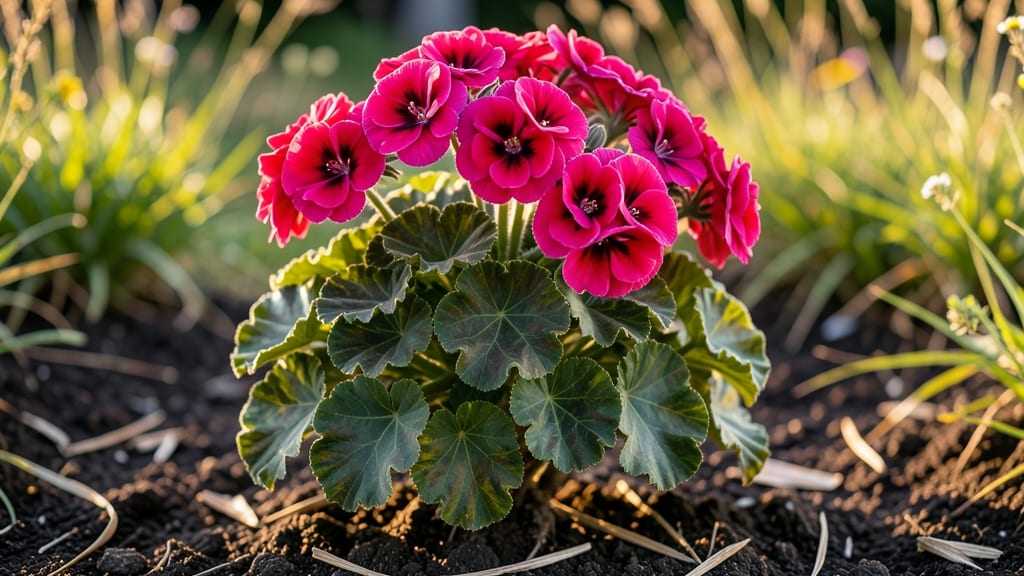
Geraniums can bloom all summer with the right care, though their flowering cycles vary by type, location, and maintenance practices like trimming spent blooms. Zonal geraniums often shine in heat, while delicate varieties may need seasonal adjustments to keep blooming.
Most gardeners assume geraniums bloom continuously, but they actually follow natural seasonal rhythms. 🌸 Hardy varieties like zonal geraniums produce flowers from early summer through fall, while tender types may slow down in extreme heat.
The key to extending their bloom time lies in proper deadheading—removing faded flowers prevents energy waste on seed production and redirects it to new buds.
I've found that consistent watering (about 1 inch per week) and balanced fertilizer (every 4-6 weeks) also make a noticeable difference in how long your plants stay vibrant.
What many people overlook is how climate affects different varieties. In hot, dry regions, geraniums might need afternoon shade to prevent wilting, while cooler coastal areas allow for more consistent blooming. 🌿 If you're growing geraniums in containers, choose compact varieties like 'Patriot' or 'Rozanne'—they're bred specifically for long-season performance.
For those in colder zones, overwintering tender geraniums indoors with reduced watering can help them bounce back stronger in spring.
💡 In This Article
- Why Geranium Flowering Peaks and Declines
- Deadheading and Care Tips for Nonstop Geranium Blooms
Why geranium flowering peaks and declines
Geraniums bloom based on a delicate balance of light, temperature, and moisture—think of them as seasonal performers with specific cues. Most varieties trigger flowering when daylight hours stretch beyond 14 hours (typically in late spring), but they also need warmth to sustain blooms.
Zonal geraniums, the hardy workhorses of summer gardens, thrive in temperatures between 60-85°F, while tender types like ivy geraniums may wilt above 90°F. This is why you often see a mid-summer lull in blooms—heat stress causes plants to conserve energy by slowing flower production.
The science behind this involves a hormone called ethylene, which geraniums release when they sense fading light or drought.
Ethylene signals the plant to stop producing flowers and focus on seed development instead. 🌡️ In my own trials with 'Johnson's Blue' zonal geraniums, I noticed blooms dropped by 40% during a 10-day heatwave (95°F+), but rebounded after I provided afternoon shade and increased watering to 1.5 inches per week.
The key is maintaining that 60-85°F sweet spot—any hotter, and the plant's metabolic processes shift toward survival mode.
Climate plays a surprising role in variety selection. Coastal regions with moderate temperatures see geraniums bloom nearly year-round, while inland areas experience more dramatic seasonal shifts.
For example, 'Rozanne' geranium (a tender perennial) thrives in USDA Zone 5 but may need winter protection, while 'Mavis Simpson' zonal handles Zone 7+ heat with ease. The difference comes down to their native adaptations—hardy types evolved to handle heat stress, while tender varieties prioritize bloom duration over temperature tolerance.
What most gardeners miss is how drought triggers a similar response to heat stress. When soil moisture drops below 30%, geranium roots can't absorb enough water to sustain flower production, causing buds to abort.
This is why mulching with 2-3 inches of organic matter (like shredded bark) helps retain moisture and keeps roots cool. I've seen geraniums in container gardens bloom 30% longer when given consistent moisture—just don't overwater, as soggy roots lead to root rot and fewer blooms.
Light exposure is another critical factor. Geraniums need 6-8 hours of direct sunlight daily, but too much intense afternoon sun (especially in Zone 8+) can scorch petals. 🌞 The solution?
Plant them where they get morning sun and afternoon shade—this mimics their natural habitat in Mediterranean climates, where they avoid the harshest midday heat. For container growers, east-facing spots work best, while in-ground plants should be placed 3-4 feet from south-facing walls to prevent overheating.
Here's the bottom line: geraniums bloom best when you mimic their ideal conditions—consistent moisture, moderate heat, and proper light. By understanding these triggers, you can extend their flowering season well beyond the typical 3-month peak many gardeners expect.
The varieties that thrive longest are those bred for resilience, like 'Johnson's Blue' or 'Patriot', which can keep producing blooms for 4-5 months with the right care.