
Blooming
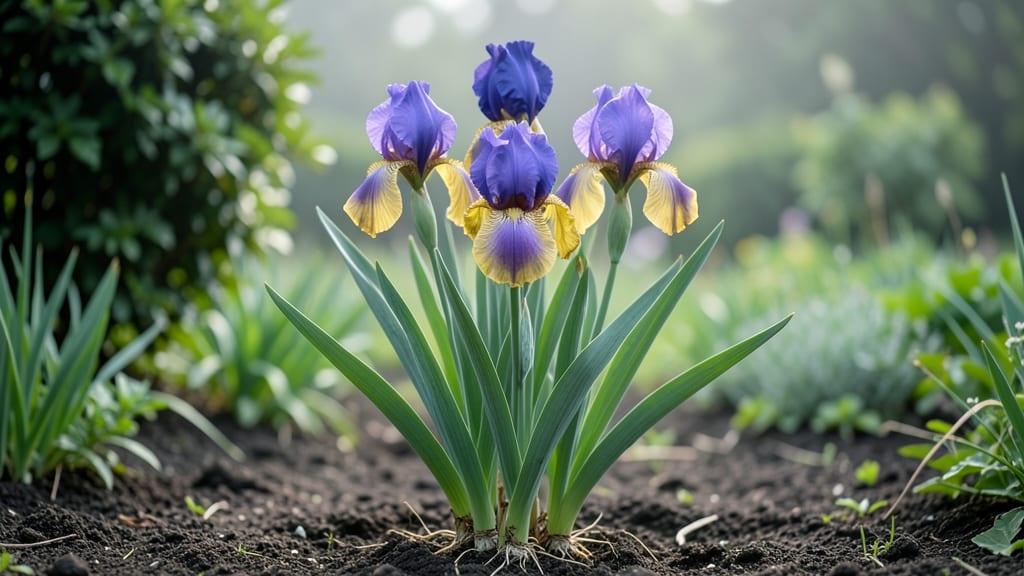
Iris blooms don't last all summer—most varieties produce flowers for just 2-4 weeks in spring, though reblooming types like Louisiana or Japanese irises may occasionally bloom into early fall. Continuous summer blooms are uncommon even with ideal care.
Most gardeners expect irises to bloom reliably each spring, but their flowering patterns vary dramatically by type. 🌸 Traditional bearded irises focus their energy on a single 2-4 week burst of color, while reblooming varieties may produce occasional flowers throughout summer—though never consistently.
The key difference lies in their growth cycles: spring bloomers store energy for next year's flowers during their dormant summer months, while rebloomers spread their efforts more thinly. Climate plays a huge role too—cooler regions often see more reliable reblooming than hot, dry areas.
To extend your irises' blooming window, focus on soil health and seasonal care adjustments. Amend your soil with compost before planting, and fertilize lightly after blooming with a balanced formula. Water deeply but infrequently—irises hate soggy roots—and prune spent blooms immediately to redirect energy.
For rebloomers, a mid-summer feeding with phosphorus-rich fertilizer can sometimes trigger a second flush, though results vary by variety and growing conditions.
💡 In This Article
- Iris Blooming Seasons: Spring vs Reblooming Varieties
- How to Encourage Longer Iris Bloom Seasons
Iris blooming seasons: spring vs reblooming varieties
The fundamental difference between iris varieties comes down to their growth habits. Traditional bearded irises follow a strict monocarpic blooming pattern—they allocate all their energy to producing flowers for just 2-4 weeks in spring, then enter a full summer dormancy to rebuild reserves for next year.
This is why you'll see dramatic blooms in May but nothing afterward. The plant's rhizomes (underground stems) store starches during summer growth, which get converted into flower buds by late winter.
Reblooming varieties like Louisiana or Japanese irises operate on a polycarpic cycle, though their summer blooms are never as abundant. These types produce multiple flower stalks throughout the season, but each stalk typically blooms for only 7-10 days with 3-5 flowers per stalk. The trade-off?
Their energy is spread thinner—summer flowers are often smaller and less vibrant than spring blooms. Temperature plays a crucial role: rebloomers need consistent 60-75°F daytime temps and cooler 50-60°F nights to trigger flowering. In hot climates, they may produce only 1-2 weak summer blooms.
What most gardeners don't realize is how photoperiod sensitivity affects reblooming. These varieties use daylight length as a cue—long summer days actually suppress flowering in many cases. The exception is Japanese irises, which often bloom again in late summer to early fall when daylight hours begin shortening.
This explains why you might see sporadic blooms in September but nothing in July, even with perfect care. The plant's internal clock is working against summer abundance.
Consider these key differences when selecting varieties:
- Spring bloomers: 4-6 weeks of intense color, 10-15 flowers per stalk, no summer blooms
- Rebloomers: 2-3 weeks spring + 1-2 weeks summer, 5-8 flowers per stalk, smaller summer blooms
- Japanese irises: 3-4 weeks spring + 2-3 weeks fall, fragile stems that need staking
The visual difference is striking too. Spring-blooming irises develop thick, sturdy stalks that can reach 3 feet tall with bold, upright flowers. Rebloomers often produce 2-foot stalks with more delicate, sometimes drooping blooms.
The foliage also gives clues—rebloomers maintain greener leaves through summer, while spring types go dormant by mid-July, dropping leaves to conserve moisture. This summer dormancy is nature's way of protecting the plant from heat stress while rebuilding energy stores.
For gardeners in USDA zones 5-8, the choice often comes down to climate. Northern gardeners can expect more reliable reblooming because cooler summers prevent heat stress. In zone 9+, even rebloomers may produce only spring flowers due to consistent heat.
The key takeaway? No iris will bloom continuously all summer—even with perfect care, you're looking at 6-10 weeks total of flowers across the season. 🌿