
Blooming
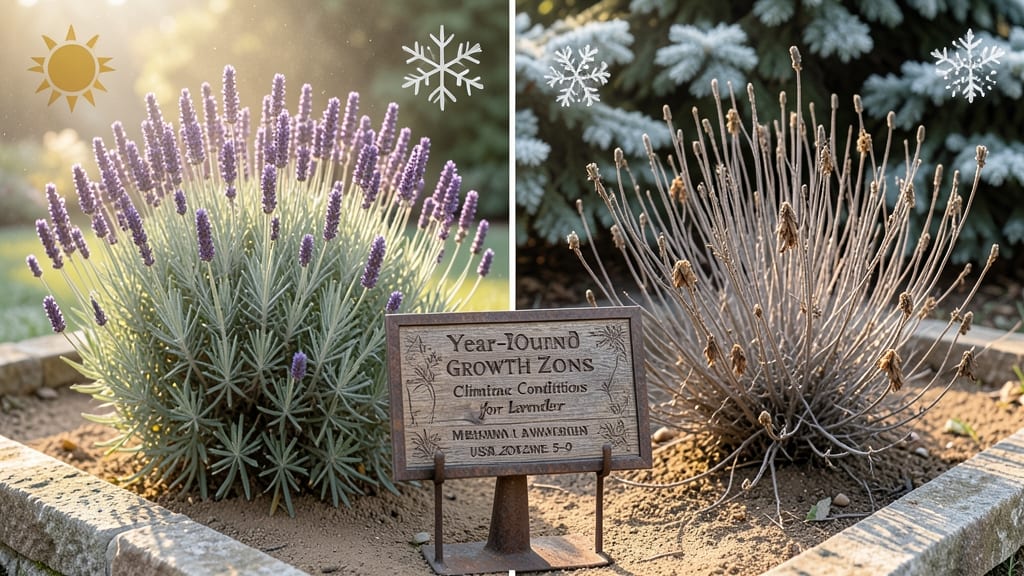
Lavender doesn't bloom all year—its flowering cycle typically runs from late spring through summer, with some varieties producing a second flush in fall, depending on your local climate, sunlight exposure, and the specific lavender type you're growing.
Most lavender plants follow a seasonal rhythm tied to daylight and temperature. 🌿 Mediterranean varieties like Spanish lavender (Lavandula stoechas) are particularly sensitive to cooler weather and may drop blooms entirely in winter, while hardier types such as English lavender (Lavandula angustifolia) might linger into early fall but rarely survive frost.
The key to encouraging longer blooms lies in proper care—pruning spent flowers (deadheading) and providing well-draining soil can sometimes coax a second bloom cycle in suitable climates.
What many gardeners overlook is that lavender's dormancy period is actually part of its natural growth cycle. During winter months, the plant conserves energy, and forcing it to bloom outside its ideal conditions can weaken the plant over time.
Instead of pushing for year-round flowers, focus on selecting reblooming cultivars like 'Grosso' or 'Munstead' if you want extended color—these are bred specifically to handle mild winters and rebloom in fall.
💡 In This Article
- Lavender Bloom Cycles by Species and Climate
- Extending Lavender Blooms: Pruning and Care Tips
Lavender bloom cycles by species and climate
Lavender's flowering patterns are primarily governed by photoperiodism—the plant's response to daylight length. Most varieties begin blooming when daylight exceeds 14 hours in late spring, peaking in summer when temperatures average between 70-85°F. This aligns with their Mediterranean origins, where summers are long and hot.
For example, Spanish lavender (Lavandula stoechas) thrives in these conditions but will drop buds if nighttime temperatures dip below 50°F. The plant's internal clock triggers dormancy as daylight shortens, which is why you rarely see blooms in winter.
Hardy lavenders like English lavender (Lavandula angustifolia) have adapted to cooler climates and may produce sparse blooms in mild winters, but their primary flowering still occurs in spring and summer.
The key difference lies in their chilling requirements: Mediterranean types need minimal winter chill (300-500 hours below 45°F), while English lavender can tolerate up to 1,000 hours.
This adaptation explains why English lavender often blooms slightly later in spring but may rebloom in fall if given enough warmth and sunlight. 🌿
Climate plays a crucial role in extending blooms. In USDA zones 5-7, lavender may experience a brief fall rebloom if summer temperatures remain above 60°F and frost arrives late.
However, in warmer zones (8-10), Mediterranean varieties can continue flowering into early winter, provided they receive 6-8 hours of direct sunlight daily. The trade-off? Overly warm winters can stress plants, leading to fewer blooms the following season.
Botanically, lavender flowers develop on new wood—this means pruning too late in the season can remove next year's buds. The plant's energy conservation strategy during dormancy is essential for survival, especially in colder climates.
Forcing lavender to bloom outside its natural cycle (like in greenhouses with artificial light) can exhaust the plant, leading to weaker growth and fewer flowers over time.
Consider these key factors when choosing lavender for your garden:
- Daylight needs: Minimum 6-8 hours of direct sun daily for optimal blooming
- Temperature thresholds: Ideal range 70-85°F for peak flowering
- Chill requirements: Mediterranean types need 300-500 hours below 45°F; hardy types up to 1,000 hours
- Soil conditions: Well-draining soil prevents root rot, which stresses plants and reduces blooms
What most gardeners don't realize is that lavender's dormancy period is actually a survival mechanism. During winter, the plant redirects energy to root and stem growth, ensuring stronger blooms in the following season.
This biological strategy explains why lavender rarely blooms year-round—it's not just about climate, but about the plant's fundamental growth cycle. 🌸