
Propagation
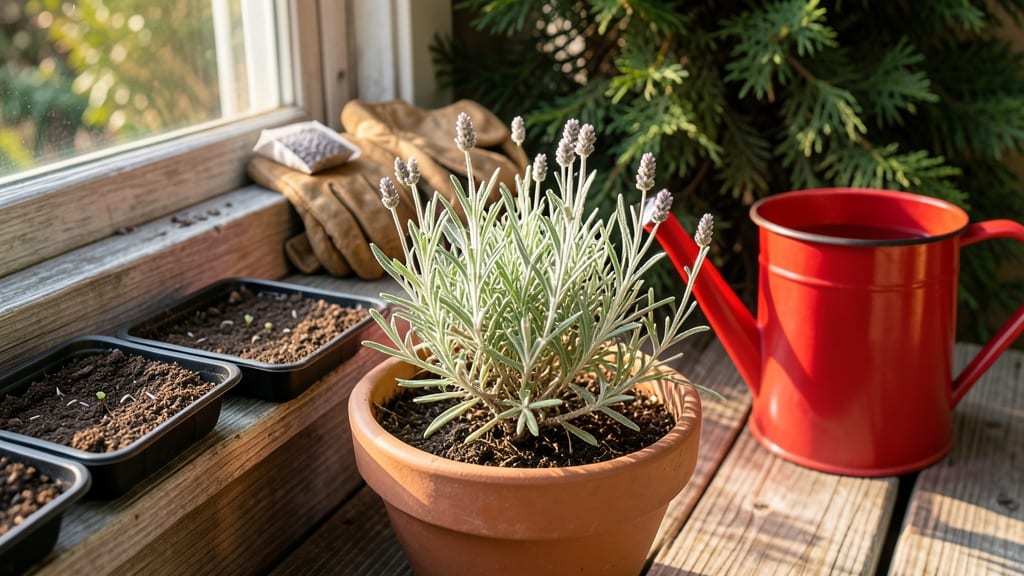
How long for lavender to bloom from seed is typically 12 to 18 months, with germination taking 2 to 4 weeks under ideal conditions before slow but steady growth begins. While this timeline may seem long, starting with cuttings can cut that wait to just 6–12 months.
Lavender's slow bloom timeline comes from its natural growth habits—seeds need consistent warmth and light to break dormancy, then develop a strong root system before flowering. 🌱 Unlike fast-growing annuals, lavender prioritizes establishing hardy stems and roots, which is why it often takes nearly two years from seed to first blooms.
I've found that planting in well-draining soil and avoiding overwatering helps maintain steady progress through each growth phase.
What many gardeners don't realize is that lavender's first blooms are often smaller than later seasons, as the plant focuses on establishing its energy reserves.
This is why experienced growers recommend giving lavender plants at least three years to reach their full potential—patience pays off with stronger, more abundant flowers each subsequent year.
💡 In This Article
- Lavender Seed Germination and Growth Phases
- Speeding Up Lavender Blooms: Pro Tips for Gardeners
Lavender seed germination and growth phases
The lavender seed's journey to bloom begins with a dormancy phase that can last weeks or even months, depending on the variety. Unlike fast-sprouting annuals, lavender seeds require consistent warmth (70-75°F) and bright light (12+ hours daily) to trigger germination.
The seed's outer coating contains natural inhibitors that prevent premature sprouting, ensuring the plant establishes strong roots before emerging.
This is why even under perfect conditions, you might see germination take 2 to 4 weeks—sometimes longer for hardy varieties like English lavender (Lavandula angustifolia), which prioritizes cold resistance over speed.
Once sprouted, lavender seedlings enter a slow but critical growth phase where they develop a deep taproot system—often reaching 12-18 inches before visible above-ground growth accelerates. 🌱 During this stage, the plant focuses on building structural integrity, which is why overwatering or transplanting too early can stunt development.
Tender varieties like Spanish lavender (Lavandula stoechas) may grow slightly faster (6-9 months to first blooms) because they prioritize height over cold hardiness, but they’re less resilient in colder climates.
The key difference lies in their root-to-shoot ratio: hardy lavenders allocate more energy underground, while tender types invest in vertical growth.
What most gardeners overlook is the dormancy period that occurs after the first year. Lavender plants often enter a winter rest phase, where growth halts entirely until spring. This natural pause is essential—it allows the plant to store energy for flowering.
Skipping this step (by forcing growth with heat or fertilizer) can weaken the plant and delay blooms by 3-6 months. The first blooms typically appear in the second summer, but they’re usually sparse as the plant conserves energy for future seasons.
This is why commercial lavender growers often start with cuttings instead of seeds—they bypass the slow seedling stage entirely.
Light plays a surprising role in growth speed. Lavender is a short-day plant, meaning it responds to decreasing daylight in late summer to trigger flowering.
If you start seeds indoors under artificial light (which mimics long days), you can delay flowering by up to 4 months compared to outdoor planting. Conversely, moving seedlings outside in late spring (when days are already lengthening) can encourage earlier blooms.
The ideal window is March-April in temperate climates, where the plant receives 14+ hours of light naturally, accelerating the transition from vegetative to flowering growth.
Soil composition is another hidden factor. Lavender thrives in alkaline, well-draining soil (pH 6.5-7.5) with sandy or gravelly texture. Heavy clay or acidic soil forces the plant to divert energy to root health instead of flowering, extending the timeline by 6-12 months.
A quick test: if water pools around your lavender for more than 10 minutes, you’re likely dealing with poor drainage—a common reason for delayed blooms. Amending soil with perlite or coarse sand can cut this recovery time in half.
Here’s the timeline breakdown for reference:
- Germination: 2-4 weeks (with ideal warmth/light)
- Seedling stage: 3-6 months (root development)
- First winter: 3-4 months (dormancy)
- First blooms: 12-18 months (second summer)
Pro tip: If you’re impatient, start seeds in late summer instead of spring. The plant will experience a natural dormancy period over winter, then bloom 6-12 months earlier the following year. 💫