
Blooming
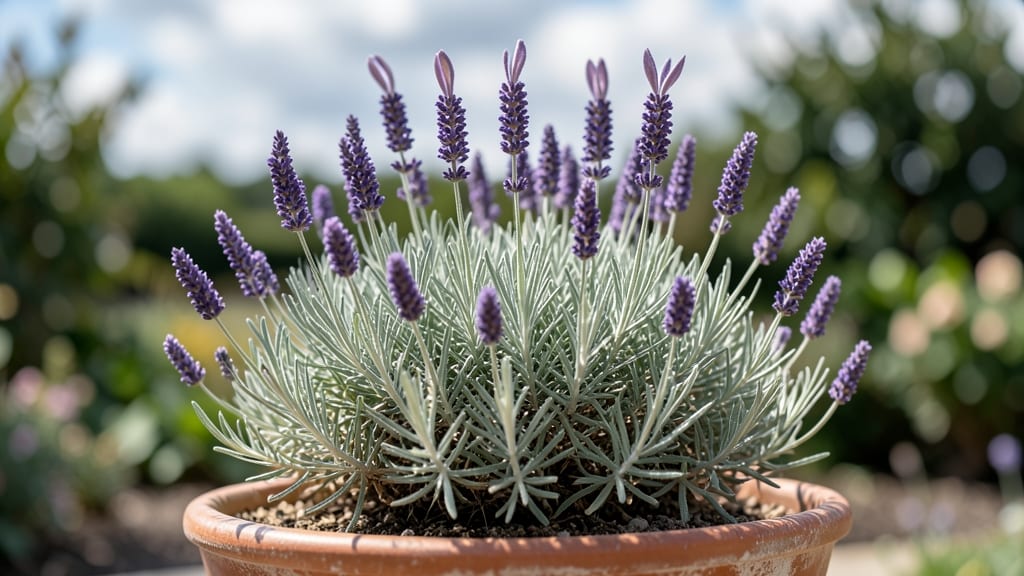
Spanish lavender blooms in late spring to fall 🌸, but its exact timing depends on climate, care, and a few cold-climate tricks most gardeners miss.
If you’ve ever waited patiently for your Spanish lavender to burst into color—only to be met with stubborn buds or a sudden late-summer explosion—you’re not alone. This hardy plant thrives in cooler zones like 6a but plays by its own rules, often delaying blooms until the heat arrives.
The key to unlocking its full potential lies in understanding seasonal triggers, from pruning schedules to soil moisture, that can shift blooms from June to August—or even coax them earlier if you act now.
In this guide, I’ll break down the science behind its bloom windows, regional variations, and the simple adjustments that keep your Spanish lavender flowering longer and more reliably—no guesswork required.
When does Spanish lavender bloom? Seasonal triggers by climate Zone
Spanish lavender (Lavandula stoechas) is famous for its hardiness in cooler climates, but its bloom timing can vary dramatically depending on where you live.
Unlike its Mediterranean cousin, English lavender, Spanish lavender often blooms later in the season—sometimes as late as August or September—while others burst into flower as early as late May or June. These differences come down to USDA hardiness zones, temperature fluctuations, and even local microclimates.
The key to predicting bloom time lies in understanding how cold hardiness thresholds and spring warming patterns trigger flowering. In colder zones like 5-6, Spanish lavender may wait for consistent daytime highs of 70°F+ before blooming, while warmer zones (7-9) see earlier, more prolonged flowering.
Even a 10°F difference in average spring temperatures can shift bloom windows by 3-4 weeks.
Here’s how to decode your Spanish lavender’s bloom schedule based on your climate zone:
| USDA Zone | Typical Bloom Window | Cold Hardiness Threshold | Regional Microclimate Notes |
|---|---|---|---|
| Zones 5-6 | Late June to August | Needs 10+ frost-free days at 60°F+ | Coastal areas bloom earlier; inland zones delay until July. |
| Zones 7-8 | May to July (sometimes September) | Blooms with 50°F nighttime lows | Mountain regions bloom later; valleys start earlier. |
| Zones 9-10 | March to May (or fall rebloom) | No cold threshold; heat triggers blooms | Desert areas may rebloom in fall with cool nights. |
If you’re in Zone 5 or 6, your Spanish lavender might wait until late June or July to bloom because it needs time to recover from winter dormancy. The plant relies on consistent warmth—not just a single heatwave—to trigger flowering.
In contrast, Zone 7-9 gardeners often see blooms as early as late May because their springs warm up faster.
Temperature fluctuations also play a crucial role. For example, a sudden cold snap in May can delay blooms by 2-3 weeks, while a prolonged heatwave in early spring might encourage earlier—but shorter—flowering.
This is why Spanish lavender in mountainous regions (like the Pacific Northwest) often blooms later than their valley counterparts.
Another factor is day length sensitivity. Spanish lavender responds to longer daylight hours, which is why northern gardeners (Zones 4-6) see blooms peak in July or August, while southern gardeners (Zones 8-10) may experience spring and fall blooms.
In Zone 9-10, some varieties even rebloom in fall if nighttime temperatures dip below 65°F.
To predict your Spanish lavender’s bloom time, track average last frost dates and spring warming trends in your area. For instance, if your region typically hits 60°F consistently by mid-May, expect blooms by late June.
However, if your spring is unpredictable (like in Zone 6), blooms may not appear until July or August.
Pro tip: Plant Spanish lavender near a south-facing wall or fence to create a microclimate that warms up faster in spring, potentially triggering earlier blooms. This trick works especially well in cooler zones (5-6) where timing is critical.
Just ensure the soil drains well—poor drainage can delay flowering by stressing the plant.
If your Spanish lavender isn’t blooming when expected, check for over-fertilization with nitrogen, which encourages leafy growth over flowers. A balanced 5-10-10 fertilizer in early spring (before new growth) can help promote blooms without excessive foliage.
And remember: pruning spent blooms in early summer can encourage a second flush of flowers in late summer or fall.
🌸 Whether your Spanish lavender blooms in early summer or late summer, understanding these seasonal triggers will help you plan your garden for maximum impact—and maybe even coax a few extra blooms out of your hardy little shrub!
How to force earlier or later Spanish lavender blooms with pruning & care
Spanish lavender’s bloom time can feel like a mystery—one year it bursts into purple blooms by early summer, while the next it lingers until fall. The key to controlling this timing lies in pruning techniques and strategic care adjustments.
With the right approach, you can coax your plants to flower earlier for spring displays or extend their season into autumn.
Forcing earlier blooms requires late-winter pruning to stimulate new growth, while delaying blooms involves summer shearing to encourage a second flush. The secret weapon? Understanding how temperature fluctuations, soil moisture, and light exposure interact to trigger flowering.
Let’s break down the exact steps to manipulate your Spanish lavender’s schedule.
- 🌱 Early Blooms: Prune late February in zones 6-8, cutting back 1/3 of growth to shock the plant into spring flowering.
- ☀️ Sunlight Boost: Move pots to south-facing spots in early spring for 6+ hours of direct sun to accelerate blooming.
- 💧 Winter Mulch: Apply 3-inch mulch layer in November to insulate roots in cold zones, preventing late-winter dieback.
- 🌿 Delayed Blooms: Shear after first flush (June) to force late-summer regrowth and extend flowering.
- ✂️ Fertilizer Trick: Apply low-nitrogen fertilizer (5-10-10) in late May to delay blooming until mid-summer.
Start with late-winter pruning if you want earlier blooms. In USDA zones 6-8, cut back one-third of the plant’s height in late February. This pruning shock signals the plant to push out new growth and flower 4-6 weeks earlier than usual.
Pair this with morning sunlight exposure—Spanish lavender thrives with 6+ hours of direct sun, so move containers to the sunniest spot in your yard.
For gardeners in colder climates (zones 4-5), winter mulching is critical. Apply a 3-inch layer of straw or pine needles around the base in November to protect roots from freeze-thaw cycles.
This insulation ensures the plant survives winter stress and blooms on schedule in spring. Skip heavy mulch in mild winters, as it can delay flowering by keeping the soil too cool.
To delay blooms, time your summer pruning carefully. After the first flush of flowers fades (typically in June), shear the plant back by half its height. This removes spent blooms and stimulates a second growth cycle, pushing flowering into late summer or early fall.
Pair this with a light fertilizer application in late May—use a low-nitrogen, high-phosphorus blend (like 5-10-10) to encourage blooming without excessive leafy growth.
Consistent watering habits also play a role. Spanish lavender is drought-tolerant, but deep, infrequent watering (every 10-14 days) in early spring encourages robust root systems, which in turn supports earlier or more abundant blooms.
Avoid overwatering in late summer, as soggy soil can stress the plant and delay flowering.
With these techniques, you’ll transform your Spanish lavender from a mysterious bloomer to a predictable star in your garden. Experiment with timing—try pruning in early March for even earlier blooms or shearing in July for a fall extension.
Your lavender will reward you with longer, more vibrant displays all season long. 🌸