
Blooming
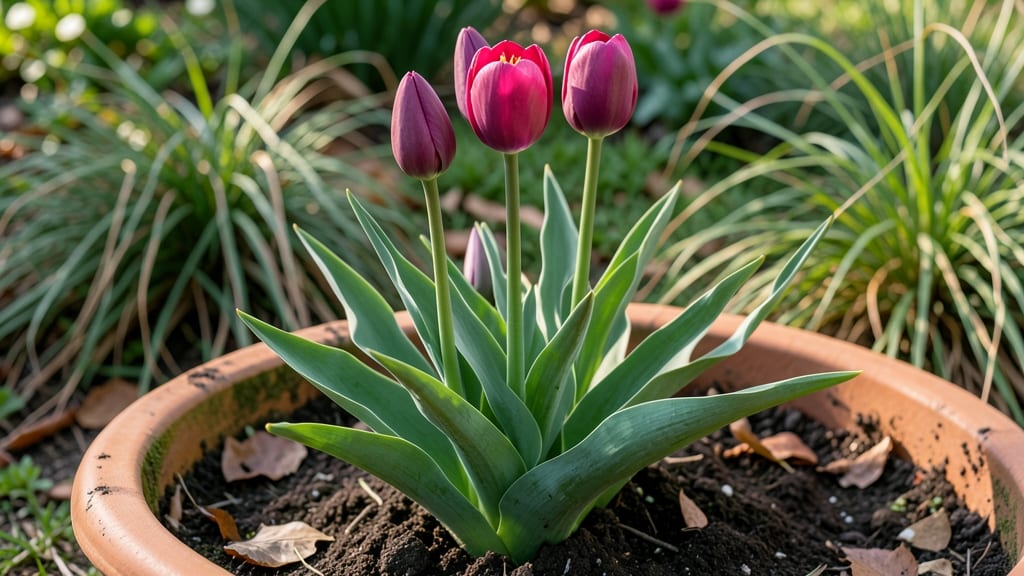
Do tulips bloom more than once? Most tulips bloom only once in spring because their energy is focused on bulb growth after flowering. However, reblooming varieties and proper care can encourage a second bloom later in summer, though results vary by species and conditions.
Tulips follow a natural cycle where their first bloom in spring signals the start of bulb energy storage for next year. 🌸 This biological process means standard varieties prioritize bulb health over repeat flowering.
However, some hybrid tulips—like the Darwin Hybrid or Parrot tulips—are bred to rebloom with consistent care, producing smaller second flowers in late summer. The key difference lies in how these varieties balance bloom production with bulb maintenance.
To coax a second bloom, gardeners focus on three critical factors: deadheading spent blooms immediately, fertilizing with a balanced 10-10-10 formula after the first bloom, and maintaining consistent moisture without overwatering.
Reblooming success also depends on your climate—warmer regions often see better results than cold areas where bulbs enter dormancy earlier. I've found that tulips planted in full sun with well-draining soil are far more likely to produce a second show.
💡 In This Article
- Why Most Tulips Are One-Time Bloomers
- How to Encourage Second Tulip Blooms
Why most tulips are one-time bloomers
The reason most tulips bloom just once in spring comes down to their biological survival strategy. When a tulip flower opens, the plant shifts its energy from bloom production to bulb storage—this is called autumnalization.
The bulb begins storing nutrients like starch and sugars to prepare for next year's growth, while the stem and leaves wither away. This process is triggered by daylight length and temperature changes, signaling the plant that its primary goal is now survival through dormancy rather than repeat flowering.
Here's what's actually happening inside the bulb: The plant's vascular system redirects sugars from the leaves to the bulb at a rate of about 0.5-1 gram per day during the 6-8 weeks after blooming.
This storage process is so efficient that some studies show tulip bulbs can increase their weight by 30-50% during this period. The trade-off is that the plant prioritizes bulb health over producing another flower—this is why standard varieties like Triumph tulips or Double Late tulips rarely rebloom naturally.
Climate plays a crucial role in this cycle. In colder regions, tulips enter dormancy earlier, while warmer climates may extend the growing season.
For example, tulips in USDA Zone 5 (average winter lows of -20°F to -10°F) often complete their energy storage by early summer, whereas in Zone 8 (mild winters), they might have more time to attempt a second bloom.
The key difference is how quickly the plant responds to seasonal cues—cooler nights and shorter days trigger dormancy faster in northern climates.
What most people don't realize is that even reblooming varieties follow this same basic pattern, but with a critical difference: their genetics allow them to delay bulb storage slightly.
For instance, Darwin Hybrid tulips can produce a second bloom because they've been bred to maintain some photosynthetic activity in their leaves longer after the first flower fades.
This extra energy lets them attempt a smaller second bloom, though it often comes at the cost of weaker bulb storage for next year.
There's also a fascinating chemical aspect to this process. Tulips produce a hormone called abscisic acid during dormancy, which helps regulate the plant's response to seasonal changes. This hormone inhibits new flower buds from forming until conditions are right for next year's growth.
In reblooming varieties, this inhibition is less pronounced, allowing some buds to develop under the right conditions—typically with proper care and favorable weather.
The visual difference between first and second blooms is striking. First flowers are typically larger and more vibrant, with fully developed petals and stronger fragrance. Second blooms, when they occur, are often 30-50% smaller, with less vibrant colors and fewer petals.
This is because the plant is diverting less energy to the second bloom—it's more of a "bonus" than a primary event.