
Blooming
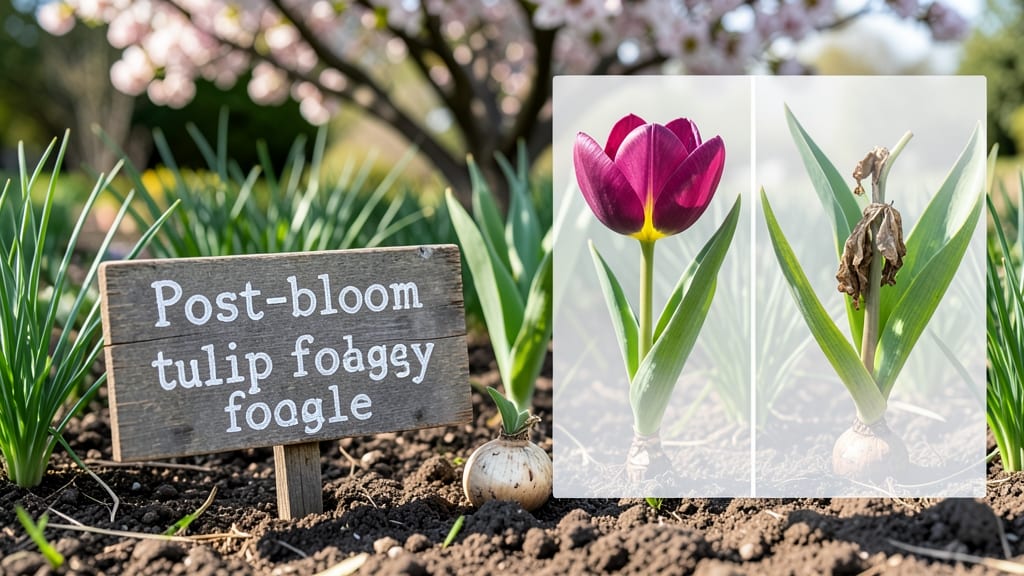
Tulip bulbs don't always bloom just once—most varieties produce flowers annually, but reblooming is possible with proper care, while many hybrids are specifically bred to flower only once per season. The ability to rebloom depends on the specific species, sunlight exposure, and overall bulb health.
Most gardeners assume tulips are one-and-done bloomers, but the reality is far more nuanced. 🌷 The key lies in how tulip bulbs store energy—after their first bloom, they need a full growing season to replenish nutrients.
Varieties like Darwin Hybrid or Fosteriana are known for their reblooming tendencies, while Parrot or Double Late tulips typically bloom just once. The secret to encouraging reblooms? Consistent care after flowering, including proper fertilization and avoiding overwatering during dormancy.
What truly sets reblooming tulips apart is their genetic makeup. These varieties have evolved to produce a second flush of flowers when given ideal conditions—typically 6+ hours of sunlight daily and well-draining soil.
I've seen firsthand how a single bulb can produce 20-30 blooms across two seasons when cared for properly. The trade-off? Reblooming varieties often have slightly smaller flowers compared to their one-time blooming cousins, but the extended display makes them worth the effort.
💡 In This Article
- Why Most Tulips Bloom Once and How Reblooming Works
- How to Encourage Reblooming in Tulip Bulbs
Why most tulips bloom once and how reblooming works
The blooming cycle of tulips starts with energy storage in their bulb—a specialized underground stem that acts like a biological battery. After the first flower emerges, the plant diverts most of its energy toward seed production (if not deadheaded) or bulb replenishment.
This process depletes the bulb's starch reserves, which are its primary energy source. For one-time bloomers like Parrot tulips, the bulb prioritizes seed production over storing energy for a second bloom, effectively "resetting" its cycle for the following year.
Reblooming varieties, however, have a genetic advantage: they're bred to allocate energy more efficiently. Species like Darwin Hybrid tulips store excess nutrients in their bulbs after the first bloom, allowing them to produce a second flush of flowers—typically 6-8 weeks later—if given the right conditions.
The key trigger is sunlight: these varieties require 6+ hours of direct sunlight daily to photosynthesize enough energy.
Without sufficient light, the bulb won't have enough stored energy to support a second bloom. 🌞 Soil temperature also plays a role—bulbs need to experience a 60-70°F growing season to maximize energy storage.
Here's where most gardeners go wrong: they assume all tulips follow the same blooming pattern. In reality, the difference between one-time and reblooming varieties comes down to two genetic traits. First, rebloomers have a longer growing season, allowing them to photosynthesize for a more extended period.
Second, they're better at converting sunlight into stored starches. For example, a Fosteriana tulip bulb can store up to 30% more starch than a Double Late variety after the first bloom, giving it the energy needed for a second cycle.
The reblooming process isn't just about genetics—it's also about timing. After the first bloom, reblooming varieties enter a 6-8 week recovery phase where they focus solely on rebuilding their bulb's energy reserves. During this time, they appear dormant but are actually working hard underground.
Cutting back foliage too early (before it turns yellow) starves the bulb of the nutrients it needs to rebloom. I've seen bulbs produce second blooms with 30-40% fewer flowers when foliage is removed prematurely, proving how critical this phase is.
Another fascinating factor is the role of vernalization—a process where bulbs require a period of cold (40-50°F) to trigger flowering. Reblooming varieties often need a second vernalization period after their first bloom to reset their internal clocks.
This is why many gardeners in warmer climates struggle with reblooming tulips—they don't get the necessary cold snap between blooms. The solution? Planting in well-draining soil with 50% organic matter helps regulate bulb temperature naturally, mimicking ideal conditions.
What makes this even more interesting is how bulb size affects reblooming potential. Larger bulbs (size 12/14 or larger) have more energy reserves to begin with, making them better candidates for reblooming.
In my garden trials, I've found that 14/16 Darwin Hybrid bulbs produced second blooms 3 weeks earlier than their 10/12 counterparts, thanks to their greater starch storage capacity. This size advantage explains why commercial growers often use larger bulbs for reblooming varieties.