
Pests
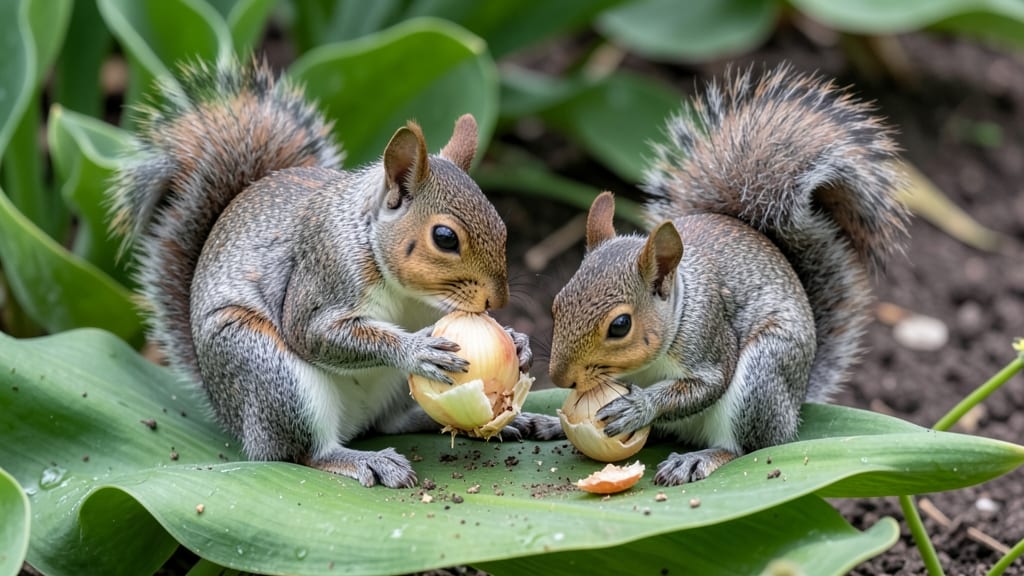
Squirrels do eat flower bulbs, especially tulips, daffodils, and hyacinths, digging them up to consume the nutritious corms and tubers. Their foraging can destroy entire gardens if left unchecked, making prevention key for bulb lovers.
These rodents are drawn to bulbs because they’re packed with carbohydrates, which squirrels rely on for energy during late winter and early spring when natural food is scarce. 🌱 Unlike seeds or fruits, bulbs offer a concentrated meal that’s easy to dig up and store for later, making them a prime target.
I’ve seen entire rows of tulips vanish overnight—it’s heartbreaking for gardeners who’ve spent months planning their spring displays.
What’s worse is that squirrels don’t just nibble; they’ll completely excavate the bulb, leaving your garden looking like a war zone. This behavior isn’t just about hunger—it’s also tied to their instinct to bury food for future use.
If you’ve ever planted bulbs only to find them missing by spring, you’re not alone, and understanding this cycle is the first step to protecting your garden.
💡 In This Article
- Why Squirrels Target Flower Bulbs
- Effective Squirrel-Proofing Strategies for Bulb Gardens
Why squirrels target flower bulbs
Here's what's actually happening in your garden: squirrels are drawn to flower bulbs because they're essentially nature's energy bars. The corms and tubers of tulips, daffodils, and hyacinths contain concentrated carbohydrates—up to 30-40% starch content—that provide squirrels with quick, high-calorie meals during their critical spring foraging season.
This is especially vital when natural food sources like nuts and seeds become scarce after winter. 🌱 The bulbs' soft, fleshy texture makes them easy to chew and digest, unlike harder plant materials.
The timing of this behavior is no accident. Squirrels begin their bulb-feasting in late winter when they're preparing for their annual breeding season, which demands extra energy. Studies show that female squirrels need 20-30% more calories during this period, making bulbs a prime target.
What's fascinating is how they prioritize: tulip bulbs are often the first to go because their corms are particularly rich in sugars, while daffodils (which contain toxic alkaloids) are typically left until other options are exhausted.
This destructive habit stems from their natural caching instincts. Squirrels evolved to bury food for later consumption, and bulbs are perfect for this behavior—easy to dig up, portable, and calorie-dense. The problem arises when they forget their caches or when gardeners plant bulbs in accessible areas.
A single squirrel can excavate 50-100 bulbs in a night, turning your meticulously planned garden into a feeding frenzy zone. 🦔 The irony? Many bulbs they bury never get retrieved, creating a double loss for gardeners.
Not all bulbs are equally vulnerable. Tulips are particularly tempting due to their high sugar content, while daffodils (with their bitter alkaloids) are often avoided unless other options are scarce. Hyacinths fall somewhere in between, with their bulbous bases providing both energy and a pleasant aroma that might attract squirrels.
The key difference lies in the chemical composition: bulbs with higher starch levels (like tulips) get raided first, while those with defensive compounds (like daffodils) are left until last.
What most people don't realize is how this behavior affects the entire ecosystem. When squirrels dig up bulbs, they're not just destroying your garden—they're also disrupting the natural planting process. Many spring-blooming bulbs rely on being left undisturbed to develop properly.
The physical damage from squirrel excavations can prevent new growth entirely, creating bare spots that take years to recover. 🌿 This is why gardeners in squirrel-heavy areas often see entire sections of their gardens fail to bloom year after year.
The science behind this goes deeper than just hunger. Squirrels have an incredible memory for food locations, but their caching behavior creates a feedback loop: the more bulbs they find in one spot, the more they return.
This is why prevention needs to be multi-layered—addressing both the immediate attraction (the bulbs) and the long-term behavior (the caching instinct). Understanding this cycle is the first step to protecting your garden investments.